This post contains 50 photos, so get ready to spend about 15-20 minutes here. You can see a slideshow below, or you can scroll down to see each photo alongside my thoughts.
First, we needed to find a place to stay for the night. We kept driving and driving, through Modena and on to Ferrara, but no decent hotel or pension presented itself to us. We veered off the highway, hoping to find a nice, quiet pension in the countryside, but we couldn’t see anything. It was getting darker, and we were getting desperate. We were tired after a long day of walking and driving, and we wanted to rest.
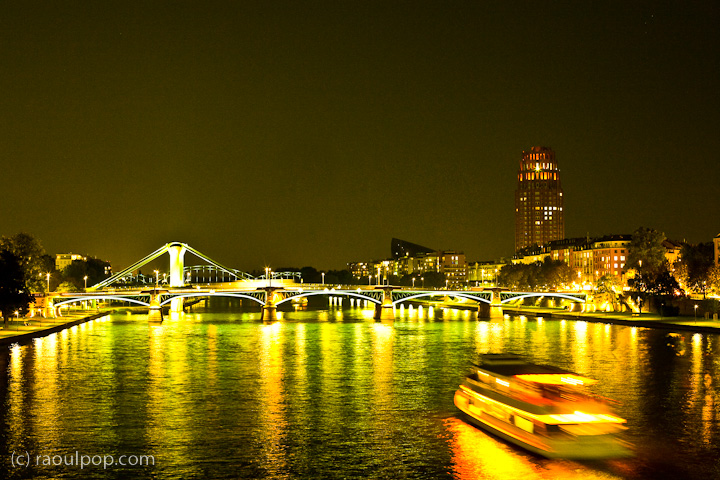
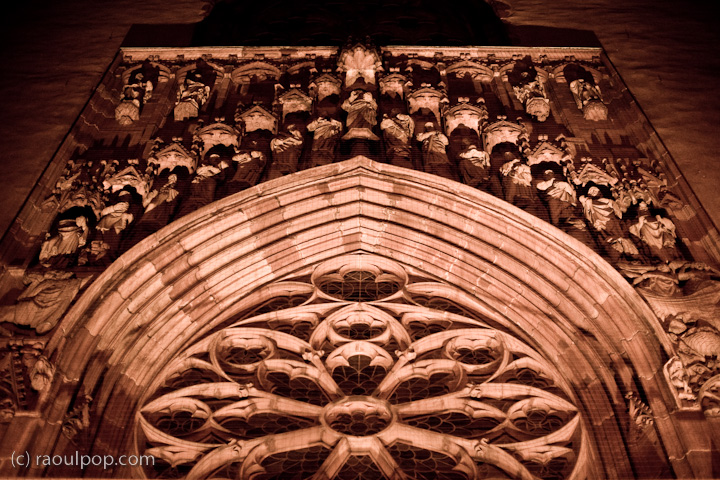
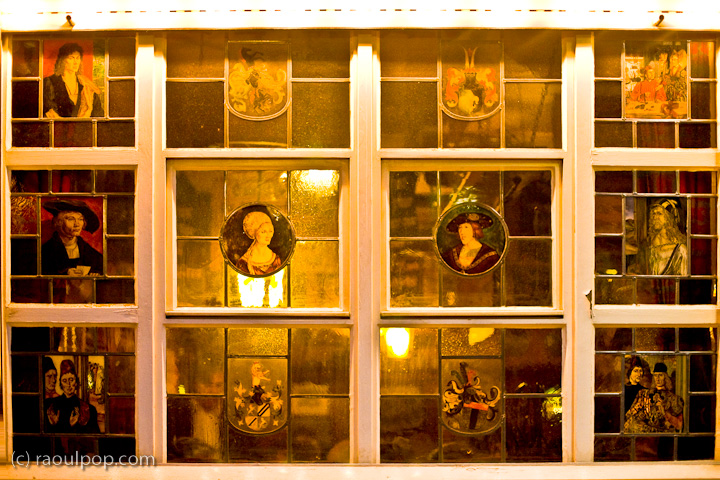
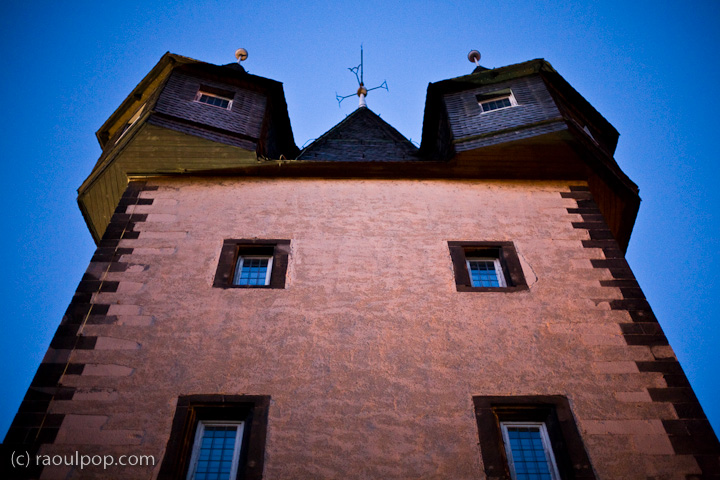
Back in September of 2008, we were stranded in Frankfurt because of negligence on the part of United Airlines, who did not properly coordinate the transfer of passengers from a connecting Lufthansa flight. The whole ordeal is a nasty mess I’d rather forget. One bright spot in that whole filthy experience is that we got to spend a beautiful evening in Frankfurt, and I took the photos you see below.
This slideshow requires JavaScript.
It was a case of making lemonade out of the lemons we’d been dealt. We had to find a hotel, which we did, by ourselves, and it was a really nice one too, a Holiday Inn about 7 minutes from the airport. After a nice, hot shower to wash off the nastiness we’d just experienced, we headed downtown, where we were treated to some very beautiful architecture and gorgeous river vistas.
We had dinner and walked for a few hours on the shore of the Main River, cris-crossing from one side to the other via the many bridges that span it. I took photos with my 50mm f/1.4 lens, which works great at night due to its large aperture.
Sometime between 11 pm and midnight, we got back to the hotel and had a wonderful night’s rest. Those beds were the most comfortable beds we’ve ever slept in. I don’t know what brand they were, and what they used in the mattresses and the comforters, but we’d have loved to sleep a few more nights on them. My wife still raves about them.
In the morning, breakfast awaited, after which we prepared ourselves mentally for some more nastiness from United (we weren’t let down) and the long flight back to the US.
Updated 11/01/16: I’ve revised my opinion of CrashPlan. See here for the details.
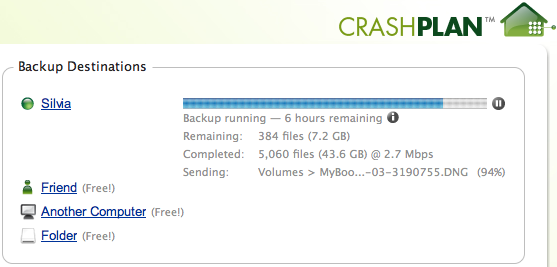
Last week, I wrote an article called “What’s On Your Drobo“, and in it, I mentioned that I was going to try to use an app called CrashPlan to do backups from my photo library in Romania to my backup location in the US. I’m happy to say that it works as expected, and no, this isn’t an April Fool’s joke. Here’s a screenshot of an active backup. At the time, I was getting 2.7 Mbps throughput.
There is a bandwidth bottleneck somewhere, though I’m not sure where it is. My broadband connection in Romania sits at 30 Mbps up and down, as I mentioned here, and my parents’ broadband connection clocks in around 16 Mbps down and 4 Mbps up. Theoretically, since I’m uploading and they’re downloading, I should be getting at least 15 Mbps, but I’m not. So it looks like there’s either a bottleneck as my data exits Romania, or as it goes through the transatlantic fiber optic cables. If someone can chime in on this, I’d love to find out more. I do know that I hit that same 2.5 Mbps ceiling as I upload to SmugMug, YouTube and blip.tv.
Bottlenecks aside, I’m just happy I can do off-site backups, and at least given my current setup, it’s free! CrashPlan works as advertised! I have to admit I was a skeptic when I downloaded it and installed it. I figured it would work on the local network, which is where I did the initial backups, but it would surely run into some firewall issues when I tried it from another location. Nightmares of re-configuring my parents’ firewall remotely flashed before my eyes… Amazingly enough, I didn’t have to do any of that! It just works!
So, if you’re interested in doing this sort of thing, download CrashPlan (it’s multi-platform), install it on both computers where you want to use it, configure it (use the help section), test it, then let it do its thing!
One thing I need to mention is that if one of the computers falls asleep, the backup will be paused until it wakes up. Even though I set my parents’ iMac to wake up for network traffic, CrashPlan doesn’t seem to be able to wake it up when I try to start the backup from my end. Keep that in mind and plan your backups accordingly.
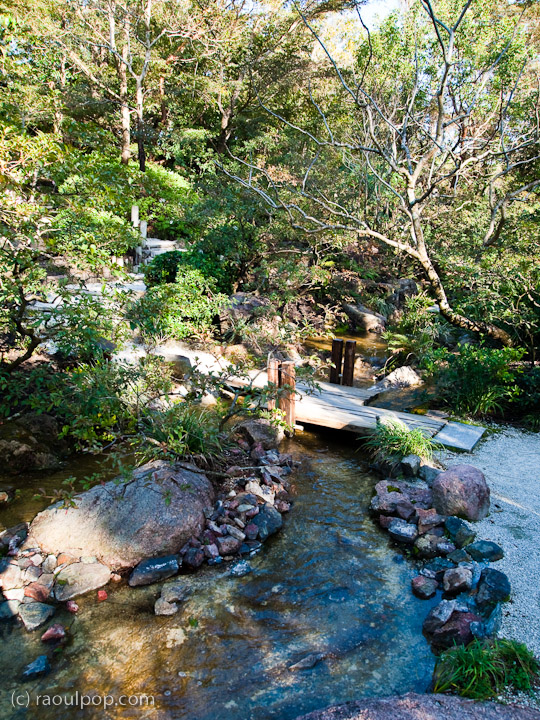
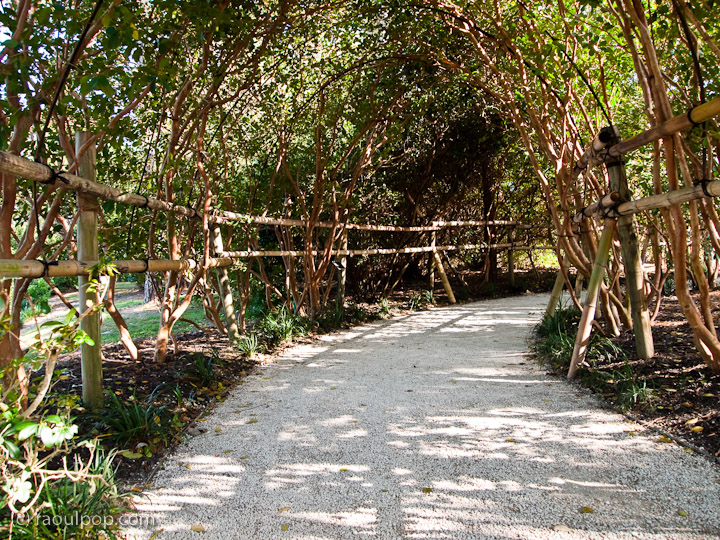
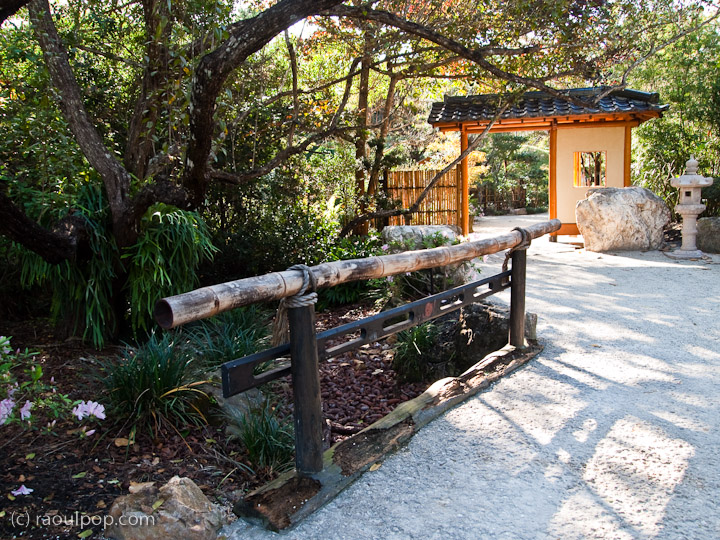
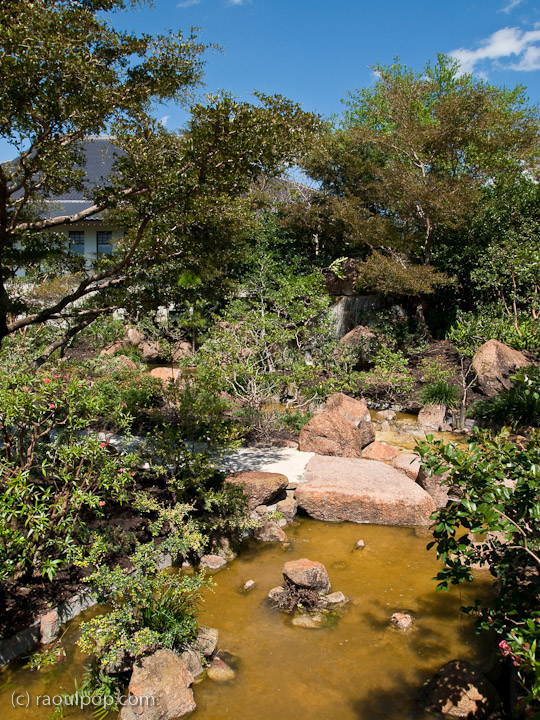
The Morikami Museum in Delray Beach, Florida, celebrates the hard work and dedication of Japanese immigrants who came to the region in the early 1900s in order to farm the land, and encourages the study of Japanese culture and customs.
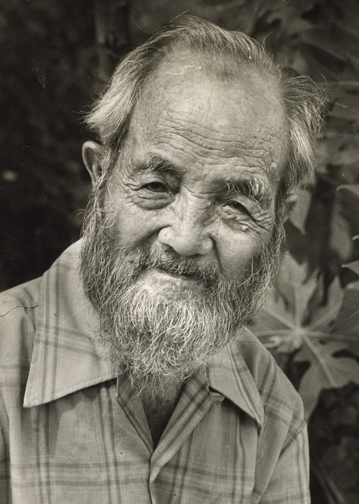
The museum opened its doors in 1977, after the land where it exists was bequeathed to Palm Beach County by the only remaining Japanese farmer in the area, Mr. George Morikami. It was given under the condition that it be turned into a park, in remembrance of the original Japanese colony, named Yamato.
We visited the museum on a sunny spring day in March and witnessed a formal Japanese tea ceremony, which I filmed and wrote about earlier.
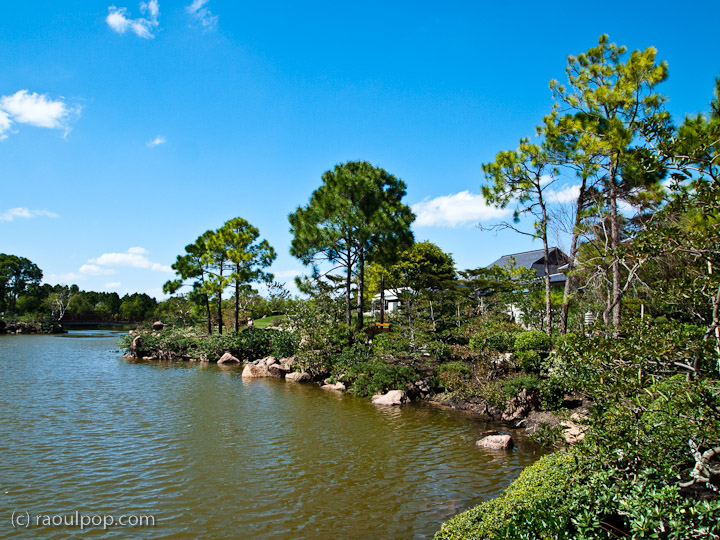
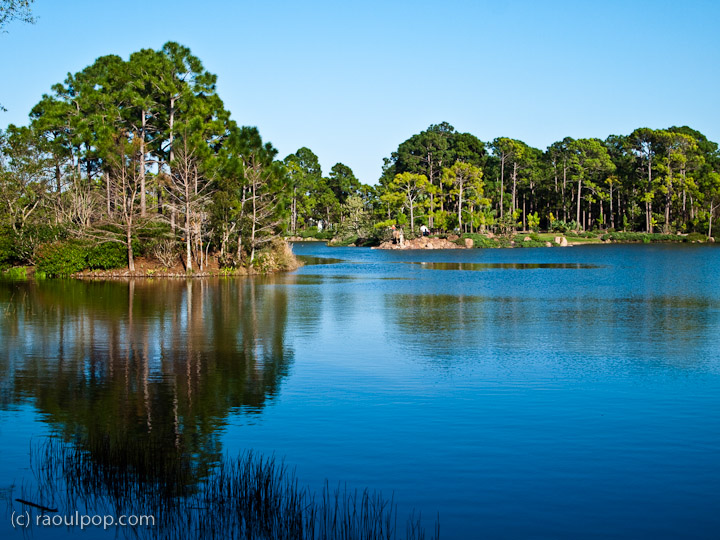
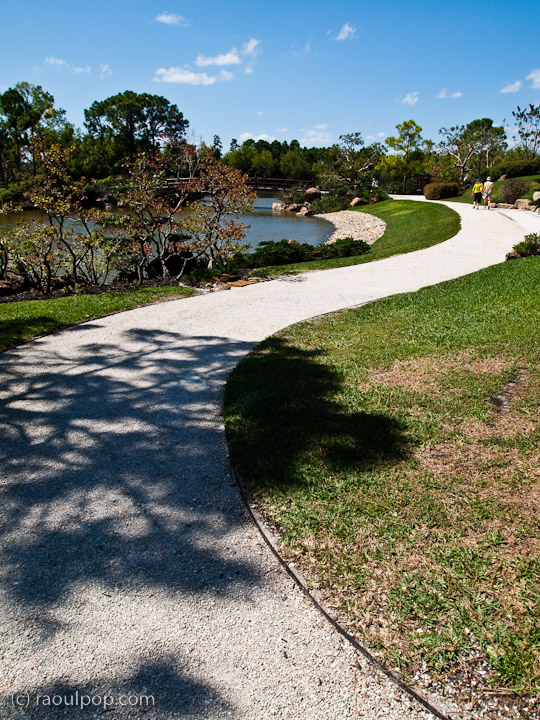
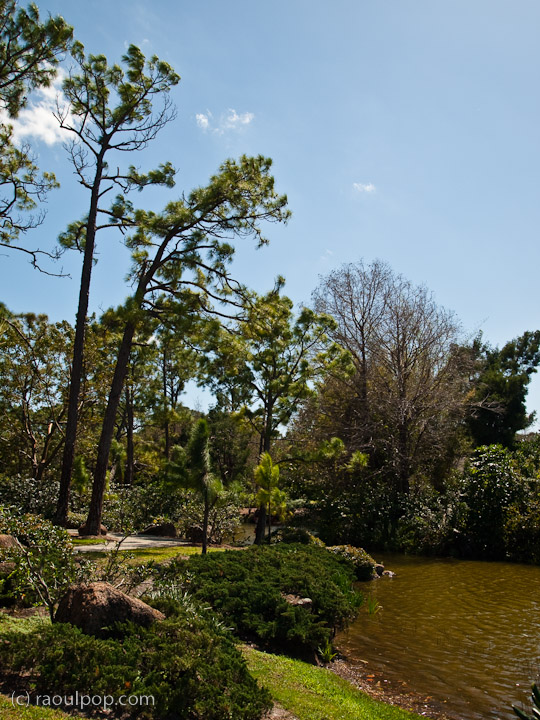
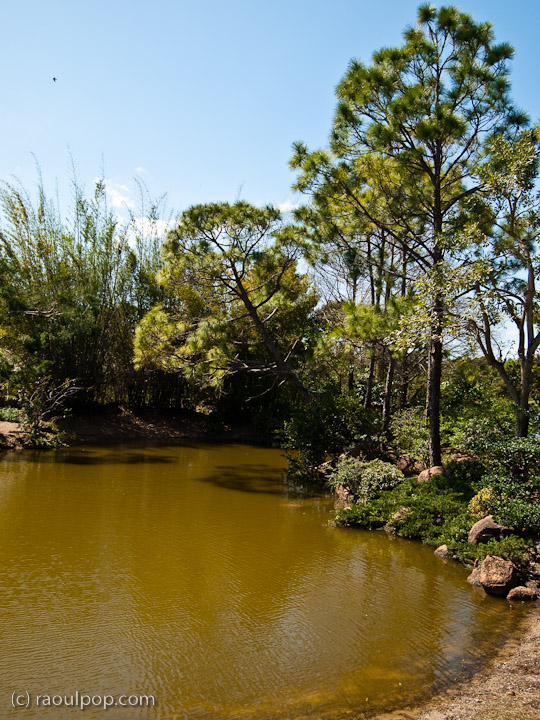
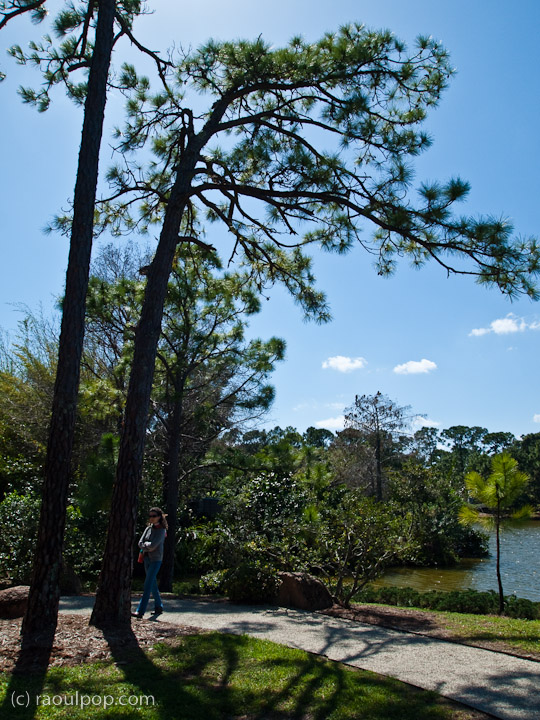
Then we walked on the park grounds, among the many themed Japanese gardens, each of which represented different historic design philosophies in Japanese culture. I filmed the park as well, and you can see that video below.
The park is lovely. The carefully manicured landscapes exert a calming influence on the visitor. Time somehow passes more slowly there. It’s a pity the park only opens at 10 am and closes at 5 pm. It must be beautiful to walk on the park grounds in the early morning hours, with fog lifting off its lakes and ponds and the songs of birds filling the cool morning air, echoing all around.
The Yamato Colony was an attempt to create a community of Japanese farmers in what is now Boca Raton. With encouragement from Florida authorities, young Japanese men were recruited to farm in the colony. Because of difficulties such as disease, discrimination from white farmers in the area and crop blights, the colony never grew very large, and gradually declined until it was finally dispersed during World War II.
The company who originally owned the land was the Model Land Company, created by Henry Flagler to hold title to the land granted to his Florida East Coast Railway by the State of Florida. The company encouraged the settlement of its land, particularly by recent immigants, to gain money from the sale of the land and to increase business for the railroad. In 1903, Jo Sakai, a Japanese man who had just graduated from New York University, purchased 1,000 acres (4 km²) from the company and recruited young men from his hometown of Miyazu, Japan, to settle there.
The settlers grew pineapples, which were shipped on Flagler’s railway line. Pineapple blight destroyed the crop in 1908. Afterward, the colony could no longer compete with cheaper pineapples from Cuba, so many of the settlers returned to Japan or moved elsewhere in the United States. The remnants of the colony were dispossessed after the entry of the United States into World War II, when their land was taken to create an Army Air Corps training base (now the site of Florida Atlantic University and the Boca Raton Airport).
The only member of the Yamato Colony to stay in the area was George Morikami, who continued to farm until the 1970s, when he donated his farmland to Palm Beach County to preserve it as a park, and to honor the memory of the Yamato Colony. The road on which the Museum was built is now appropriately called Yamato Road, and Delray Beach has also become a Sister City with Miyazu, in honor of George Morikami and the Yamato Colony.
Most people will likely tell you the Fountains of the Bellagio Hotel and Casino are easily the coolest thing in Las Vegas. I agree. They are spectacular. I have never seen excess put to better use — and let me tell you, a huge lake that shoots water hundreds of feet in the air, in the middle of the Nevada desert, where any water demands a high premium, is excessive. These fountains left me breathless, awestruck, every time I saw them, and we made sure to catch several shows while we were there.
This is one of those shows, filmed by me at night, from the Northeast corner of the lake, at the intersection of Las Vegas Blvd and Flamingo Rd. The fountains danced to a famous tune crooned by Frank Sinatra, called “Luck Be A Lady”. Enjoy!











 Raoul Pop