Thoughts

What comes after High Definition?

Producing (set design, lighting, filming, directing, editing) my wife’s cooking show has gotten me thinking about what comes after HD, because there obviously is a large discrepancy in resolution between full 1080p HD and properly exposed 35mm film (up to 3500p) — as I already mentioned in my post on preserving classic movies.

Yes, high definition is a huge improvement over standard definition, which in turn was a large improvement over early television signals. But televisions and VCRs, in spite of their popularity, are a dismal failure in picture quality compared to what they replaced: film reels and projectors.

Nowadays, we’ve gained some foothold back when it comes to consumer/prosumer video quality. We have ready access to video cameras that will record in HD (at various qualities, given the model and the price), and we have newer computers and televisions that will allow us to play back those videos at their native (720p or 1080p) resolutions. Even websites have begun in recent years to allow us to play back HD videos, and the quality of broadband internet connections has increased to the point where one doesn’t have to wait a half hour or more in order to download/buffer an HD video and play it properly on their computer. We can even play back HD videos from the internet directly on our televisions, thanks to standalone or built-in media players.

But if we’re to get back to the quality of 35mm film and best it, we must keep moving forward. Thankfully, some visionaries have already taken the first steps and have come up with a camera that can record at a similar-to-film resolution: the RED One, which can give us 2300p of extremely high definition digital video. It’s not quite 3000p or 3500p (which would be the equivalent of properly exposed film), but it gets us pretty close, and it’s certainly much better than 1080p.

The RED camera captures each frame of video as a 12-bit RAW image, which means we, as videographers, have much greater freedom than before when editing the video, just like photographers do when they switch from JPG to RAW files. All of a sudden, white balance, exposure, recovery, blacks, vibrance, saturation, and tone adjustments can be made with much more accuracy.

One area where I’d love to see more improvement — although I’m sure it’ll come with time — is RED’s ability to capture more color depth, say 14-bit or 16-bit. Bit depth is still an area where improvement can be made across the board when it comes to digital cameras.

But let’s leave tech specs alone, and think about how we can edit and enjoy the videos we could make with a RED camera. That’s where difficulties come in, because you see, we still can’t properly do that, certainly not with consumer, and not even with prosumer equipment. No, we’d be looking at professional equipment and serious prices. The market just hasn’t caught up.

There are no computers that can display that kind of resolution at full screen, and there are no televisions that can do it, either. TVs and computers are still caught up in the world of 720p and 1080p. And to make things even more complicated, now we’ve got to worry about 3D video, which is nice for some applications, but from my point of view, it’s a distraction, because it adds yet another barrier, another detour, on the road to achieving proper video resolution across the board. Manufacturers, TV stations and filmmakers are jumping on the 3D bandwagon, when they should be worried about resolution.

So, what costs would a filmmaker be looking at if he or she wanted to shoot at the highest possible digital resolution available today (a RED setup)? I crunched some numbers, and mind you, these are just approximations. The costs are likely to be 1.5-2x that much when you account for everything you might need. On a side note, the folks at RED and at Final Cut Pro have worked together quite a bit to ensure that we can edit RED video natively, directly in Final Cut Pro, on a Mac. See this video for an overview.

  • RED One camera: $25,000
  • 35mm RED lens: $4,250
  • 18-85mm RED lens: $9,975
  • RED LCD: $2,500
  • RED CF media and cards: $1,500
  • RED rig: about $2,500
  • add extra $$$ for power, accessories, tripods, other media, etc.
  • RED video card, for encoding and editing video: $4,750
  • Mac Pro editing station: about $7,000-$12,000, depending on your needs, and you may need more than one of these, depending on how big your production is
  • 30″ display: about $1,000-$3,000, depending on your needs, and you may need more than one of these as well, depending on the number of workstations and your display setup
  • Final Cut Studio software: $1,000
  • HDD-based storage for editing and archival: $2,000-$20,000, depending on your needs
  • LTO tape or additional HDD-based storage for backup: costs will vary quite a bit here
  • Specialized cinema hardware and display for showing movies at full resolution: I have no idea what this costs, but it’s likely to go into the hundreds of thousands of dollars, and not every cinema has it

So at a minimum, we’d be talking about an investment of more than $60,000 in order to work with a RED setup today.

But let’s not get tied up in talking solely about RED cameras. Clearly the entire industry needs to take steps in order to ensure that videos at resolutions greater than 1080p HD can be played across all the usual devices. Unfortunately, they’re still tied up in SD and HD video. Most TV channels still transmit in SD or lower-than-SD video quality (lower than 480p). It’s true, most have always transmitted at broadcast quality (500p or better) but we’ve always had to contend with a lot of signal loss. And nowadays, we still have to pay extra for HD channels, even though they should be the norm, and we should be looking forward.

To that effect, computer displays need to get bigger and better, computer hardware needs to get faster, computer storage needs to expand, media players need to increase their processing power, televisions need to get better and bigger, and broadband internet needs to get faster, ideally around the gigabit range (see this talk from Vinton Cerf on that subject), so that full resolution, 4000K video can move across the internet easily.

For now, if I were to start working on RED, I’d still have to output to 720p or 1080p and keep my full resolution originals archived for another day, somewhere in the future, when consumer-grade electronics have evolved to the point where they can play my videos and films natively.

I for one look forward to the day when YouTube starts to stream 3500p videos, and when we can all play them conveniently and at full resolution on our computers and televisions!

Standard

We published the fifth episode of my wife’s cooking show, Ligia’s Kitchen, yesterday evening. This week’s recipe is simple and delicious — Ligia will teach you how to make “Raffaello”-like sweets from two ingredients: dates and coconut flakes.

As usual, English subtitles are available, so make sure to click on YouTube’s CC button if you can’t see them.

Bon appetit!

LK-005-RO-HD
Released 1/9/11

Events

Dr. Brian Clement on Stopping the Aging Process

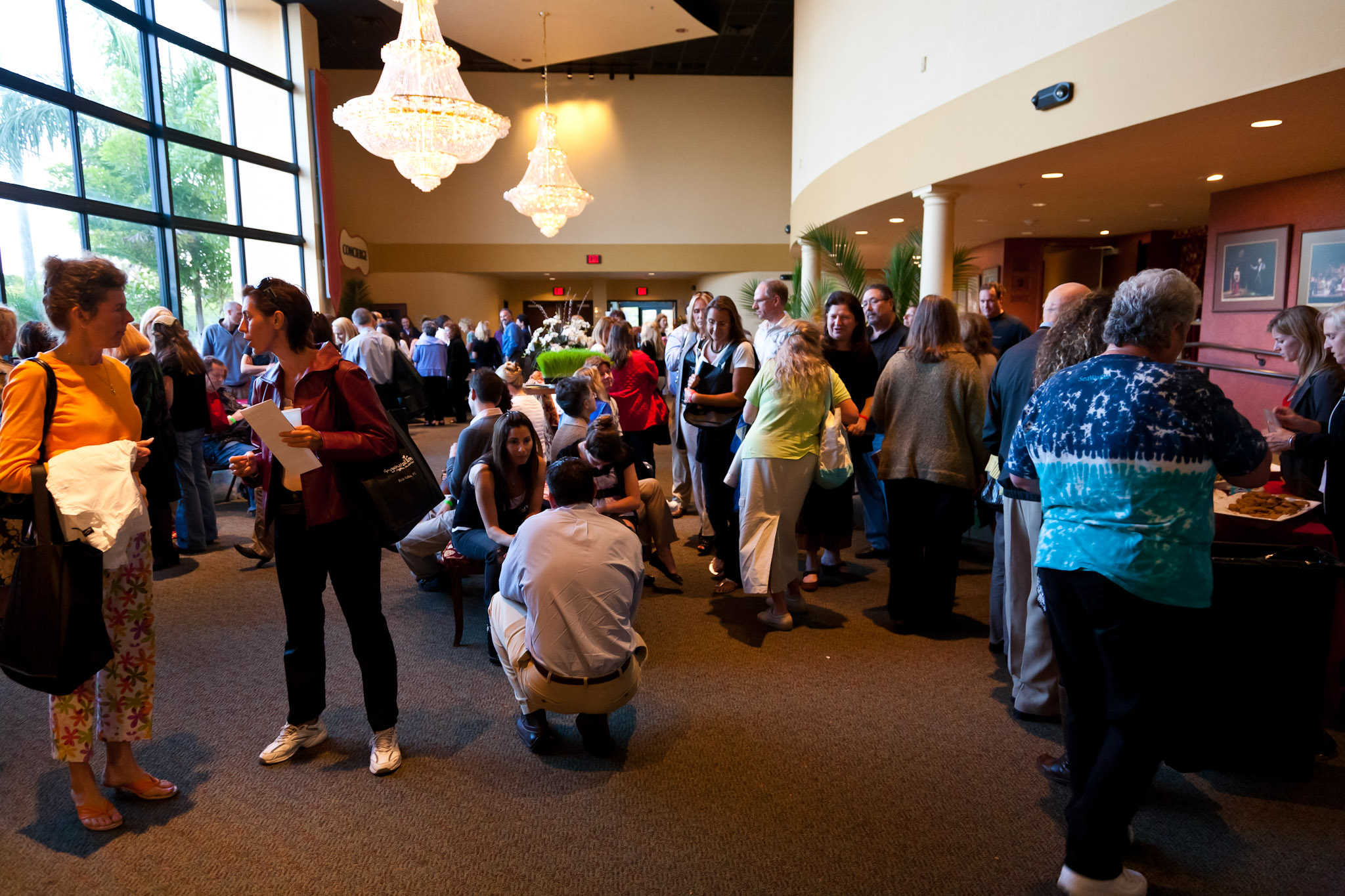
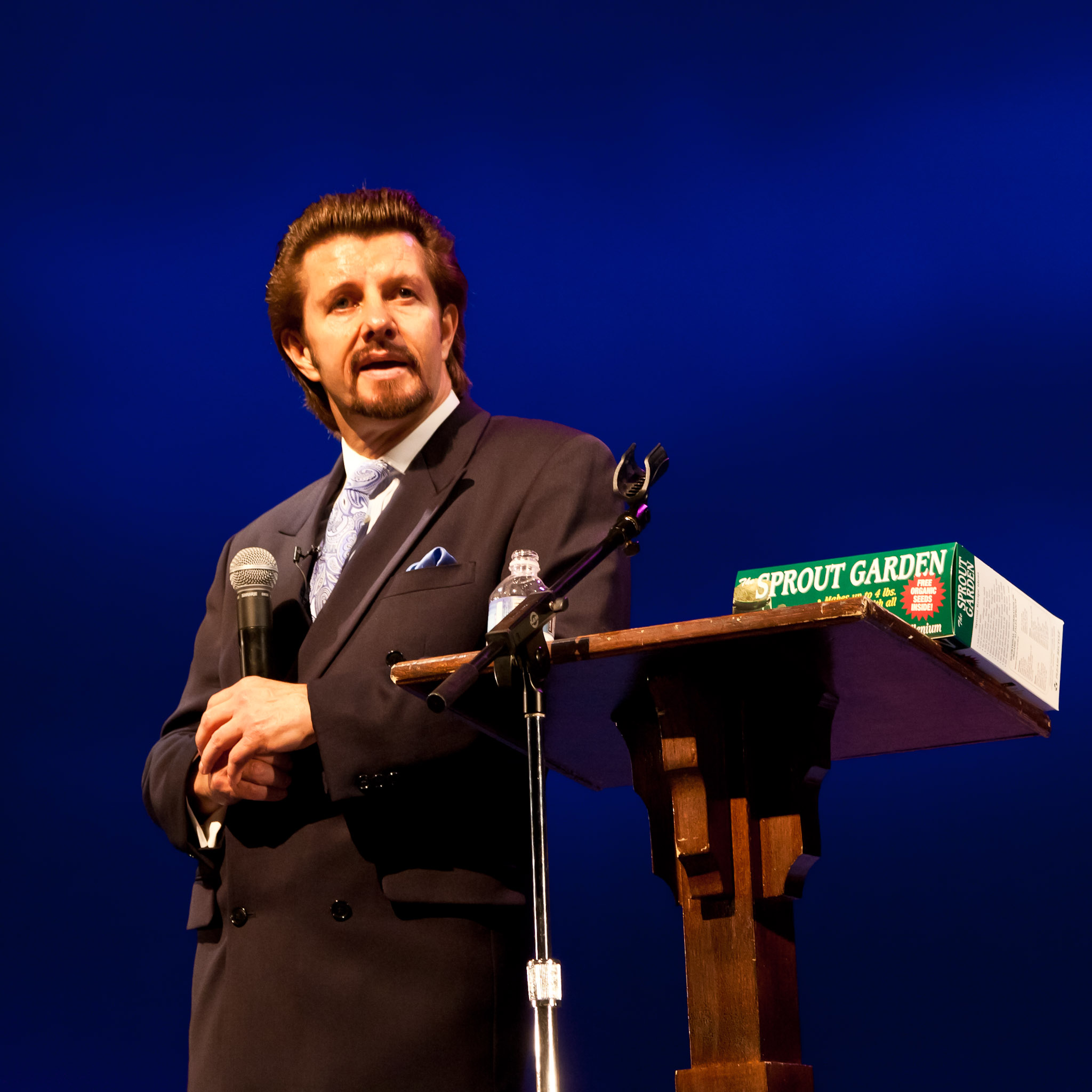
Ligia and I attended a talk given by Dr. Brian Clement of the Hippocrates Health Institute — the foremost center of natural and complementary health care in the world. The event took place at the Caldwell Theatre in Boca Raton, FL, on March 22, 2010, and the talk was on aging, and what we can do to stop it. It may sound like the stuff of fairy tales, but the advice given is common sense, and it works. Dr. Clement himself is almost 70 years old, though he doesn’t look it.

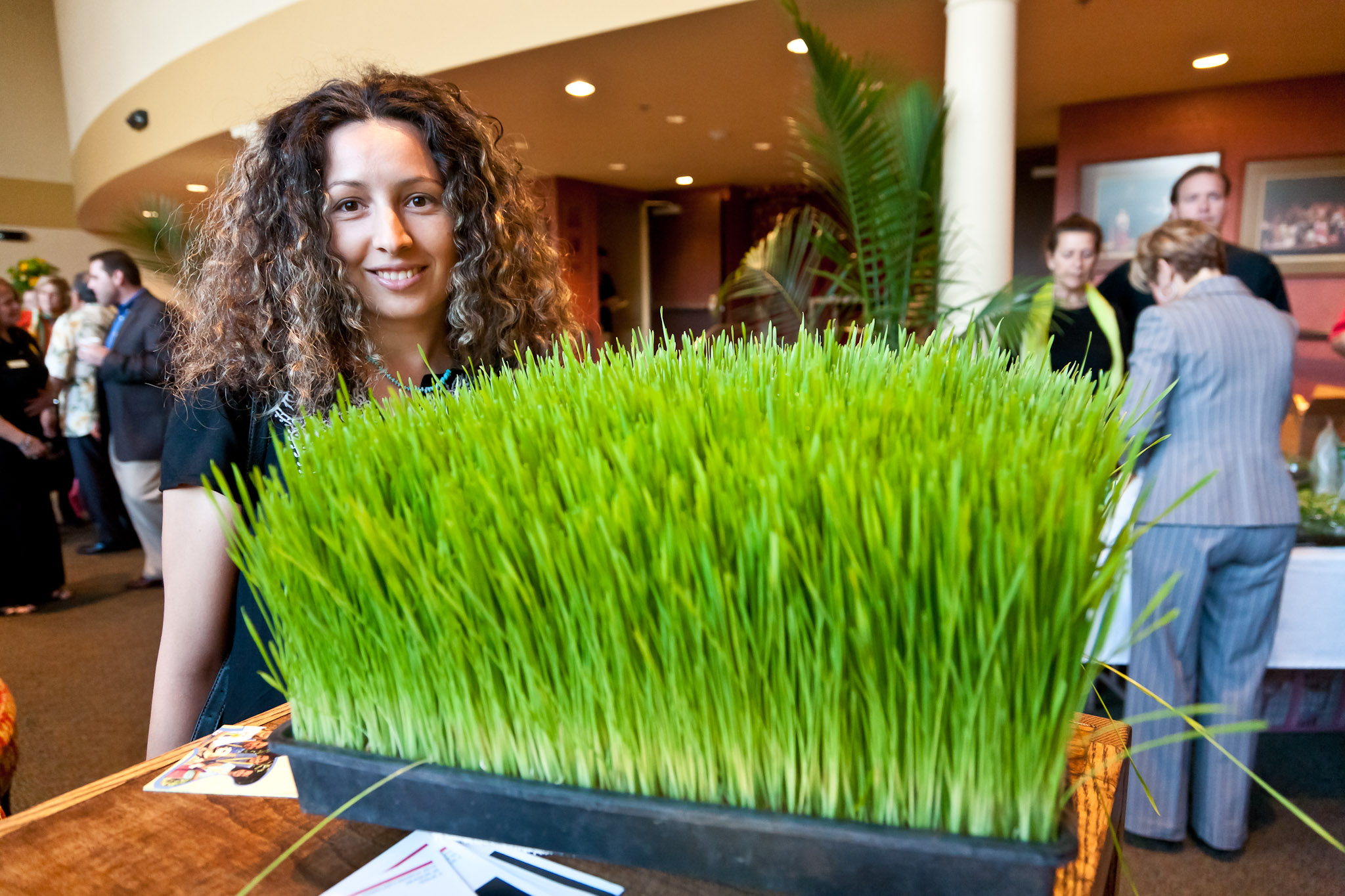
In a nutshell, we must change our nutrition to include a large proportion of raw vegan foods, particularly sprouts and vegetable juices. I invite you to watch the entire video, which is about 45 minutes long. It’s quite interesting, and the Q&A section at the end also provides actionable and important advice.

Sorry about the somewhat unsteady video. I recorded this handheld. And the focus is a bit off for the first 1:30 minutes, but it does get better after that, so hang in there!

I’d also like to thank the folks at YouTube for allowing me to post the entire video without cutting it up into smaller parts. This summer, they raised the limit to 15 minutes for each video, then did away with it completely a few weeks ago, which meant I could upload the entire 45-minute video, in 720p HD, at over 3GB in size, without any problems. Thank you YouTube!

Standard
A Guide To A Good Life

All the classics, in glorious 1080p

Now that we have the technology to scan movies shot on film into high-definition digital formats (720p and 1080p), and we’ve already done it for some movies like Casablanca, North by Northwest, The Italian Job, It’s a Wonderful Life or Home Alone, wouldn’t it be great if we’d re-scan and re-master more of the older movies, some of which are about to disintegrate in Hollywood vaults?

I’ve made a shortlist of films I’d like to see in HD below, culled from my movie collection. These, along with many other movies, ought to be scanned to 1080p HD. They’re wonderful movies, each in their own way, and they shouldn’t rot in some vault, degrading to the point where they’re no longer usable. They should be seen in all the glory and detail in which they were shot.

As a matter of fact, even 1080p HD is a poor substitute for the quality which properly exposed film affords. A 35mm film cell can be scanned at a resolution of up to 20 megapixels, which means the potential resolution of any movie shot on film greatly exceeds what we know as HD (high definition) these days. I’m sure the technology will catch up at some point, but it still has some way to go.

Meanwhile, ponder this: in terms of visual quality, the boon of television during the past 60 years or so has been a veritable dark age. Most everyone other than big budget productions switched to using cameras which recorded to tape, at resolutions of 400-600 vertical lines — the equivalent of 480p. Compare that with 720p or 1080p HD, or for a real shocker, the potential 3000-3500p of a fully equivalent digital reproduction of film quality. It’s sad, really. We’ve cheated ourselves out of visual quality for the sake of convenience, and only now are we starting to regain some of the lost ground.

A couple of other things I’d like to see when it comes to the movies I’ve listed below, or rather, in general when it comes to digital reproduction of analog films: I’d love to see them made into digital, downloadable files instead of optical discs, and I’d love to see some consistently lower pricing. I don’t know how many people will pay $40-50 for a 1080p movie, but I bet a lot more people will pay $15-20 for it. And I don’t know about you, but I’m not really interested in indulgent extras, or extensive behind the scenes productions that crowd out the actual movie.

Without further delay, here’s my list of movies I’d like to see in glorious 1080p HD:

  • A Christmas Carol (1938)
  • A King in New York
  • Airport
  • Along Came Jones
  • Arsenic and Old Lace
  • Big Brown Eyes
  • Big Business Girl
  • Breakfast at Tiffany’s
  • Bringing Up Baby
  • Cafe Metropole
  • Captain Blood
  • City Lights
  • Daddy Long Legs
  • Dawn Patrol
  • Destination Tokyo
  • Dinner At Eight
  • Don Juan (1926)
  • Easter Parade
  • Father Goose
  • Follow the Fleet
  • George Washington Slept Here
  • Gold Diggers and its sequels
  • Goodbye, Mr. Chips
  • Grand Hotel
  • Grass is Greener
  • Gunga Din
  • Hans Christian Andersen
  • Heidi (1937)
  • House on Haunted Hill
  • How to Steal a Million
  • I Was A Male War Bride
  • In Name Only
  • It Had To Be You
  • It Happened One Night
  • Key Largo
  • Kiss and Make Up (1934)
  • Kiss Me Kate
  • Kiss Them For Me
  • Libeled Lady
  • Love Affair
  • Love Crazy
  • Lover Come Back
  • Luxury Liner
  • Man Hunt
  • Manhattan Melodrama
  • Mary of Scotland
  • Meet Me In St. Louis
  • Midnight
  • Miracle on 34th Street (1947)
  • Monsieur Verdoux
  • Monte Carlo
  • Mr. Blandings Builds His Dream House
  • Mr. Deeds Goes To Town
  • Mr. Lucky
  • Mrs. Miniver
  • My Dream Is Yours
  • My Fair Lady
  • My Favorite Wife
  • My Man Godfrey
  • Night Must Fall
  • Ninotchka
  • Northern Pursuit
  • Notorious
  • Now, Voyager
  • On Borrowed Time
  • On The Avenue
  • On The Riviera
  • One Upon A Honeymoon
  • One Way Passage
  • Operation Petticoat
  • People Will Talk
  • Prince of Foxes
  • Private Number
  • Queen Christina
  • Quo Vadis
  • Rachel and the Stranger
  • Rafter Romance
  • Random Harvest
  • Reckless
  • Rendezvous
  • Rhapsody in Blue
  • Rich, Young and Pretty
  • Roman Holiday
  • Sabrina
  • Safety Last (1923)
  • Scrooge
  • Secret Garden
  • Seven Brides for Seven Brothers
  • Spartacus (1960)
  • Springtime in the Rockies (1942)
  • Stage Door
  • Step Lively Jeeves
  • Swing Time (1936)
  • Tell It To The Judge
  • Thank You Jeeves
  • Thank Your Lucky Stars
  • That Forsyte Woman
  • That Touch of Mink
  • The Adventures of Robin Hood (1938)
  • The Amazing Adventure (1936)
  • The Ambassador’s Daughter
  • The Awful Truth (1937)
  • The Bachelor and the Bobby Soxer
  • The Baroness and the Butler
  • The Bishop’s Wife
  • The Court Jester
  • The Doctor Takes a Wife
  • The Farmer’s Daughter
  • The Glass Bottom Boat
  • The Good Fairy
  • The Great Dictator
  • The Great Ziegfeld (1936)
  • The Heavenly Body
  • The Man Who Came To Dinner
  • The Man Who Shot Liberty Valance
  • The Mark of Zorro (1920)
  • The Millionaire (1931)
  • The Mysterious
  • The Philadelphia Story
  • The Prince and the Pauper
  • The Princess Bride
  • The Shop Around the Corner
  • The Thin Man and all its sequels
  • The Woman in the Window
  • Theodora Goes Wild (1936)
  • Three Coins in the Fountain
  • Three Daring Daughters
  • Three Little Words
  • Three Loves Has Nancy
  • To Catch a Thief
  • Too Many Husbands
  • Topaze
  • Topper
  • Two Weeks With Love
  • Walk, Don’t Run
  • Wedding Present (1936)
  • Weekend at the Waldorf
  • When Ladies Meet
  • White Christmas
  • Wife vs. Secretary
  • You Can’t Take It With You
Standard

The 4th episode of my lovely wife’s cooking show, Ligia’s Kitchen, is out today. This week’s recipe is raw vegan rice milk with walnuts and cinnamon — a traditional raw vegan recipe adapted for our tastes.

As with all our video shows, there are English subtitles available by clicking on YouTube’s CC (Closed Captioning) button — and we’re filming in HD, so you can see all the little details. Enjoy!

LK-004-RO-HD
Released 1/3/11