Places

A drive along the Somes river

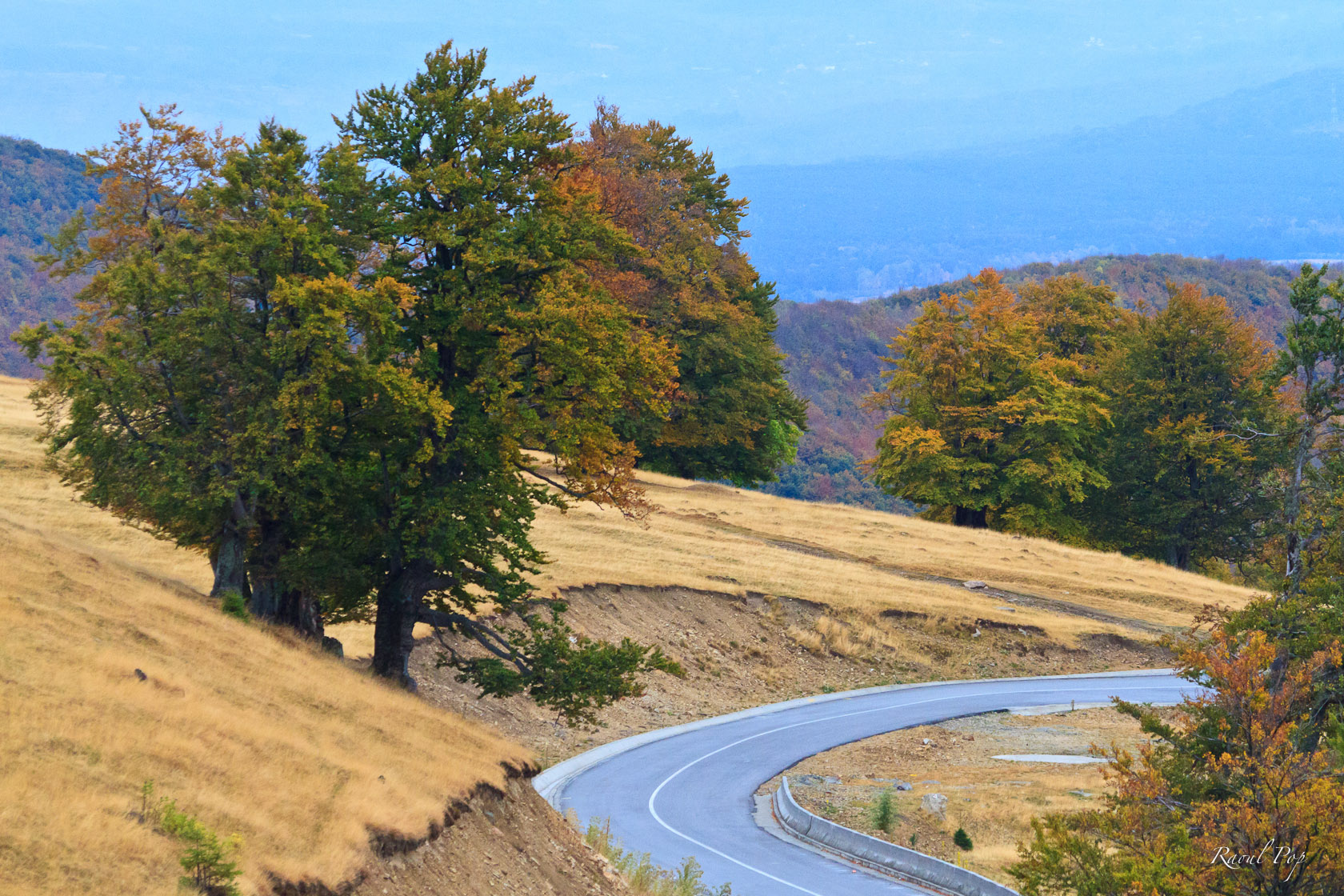
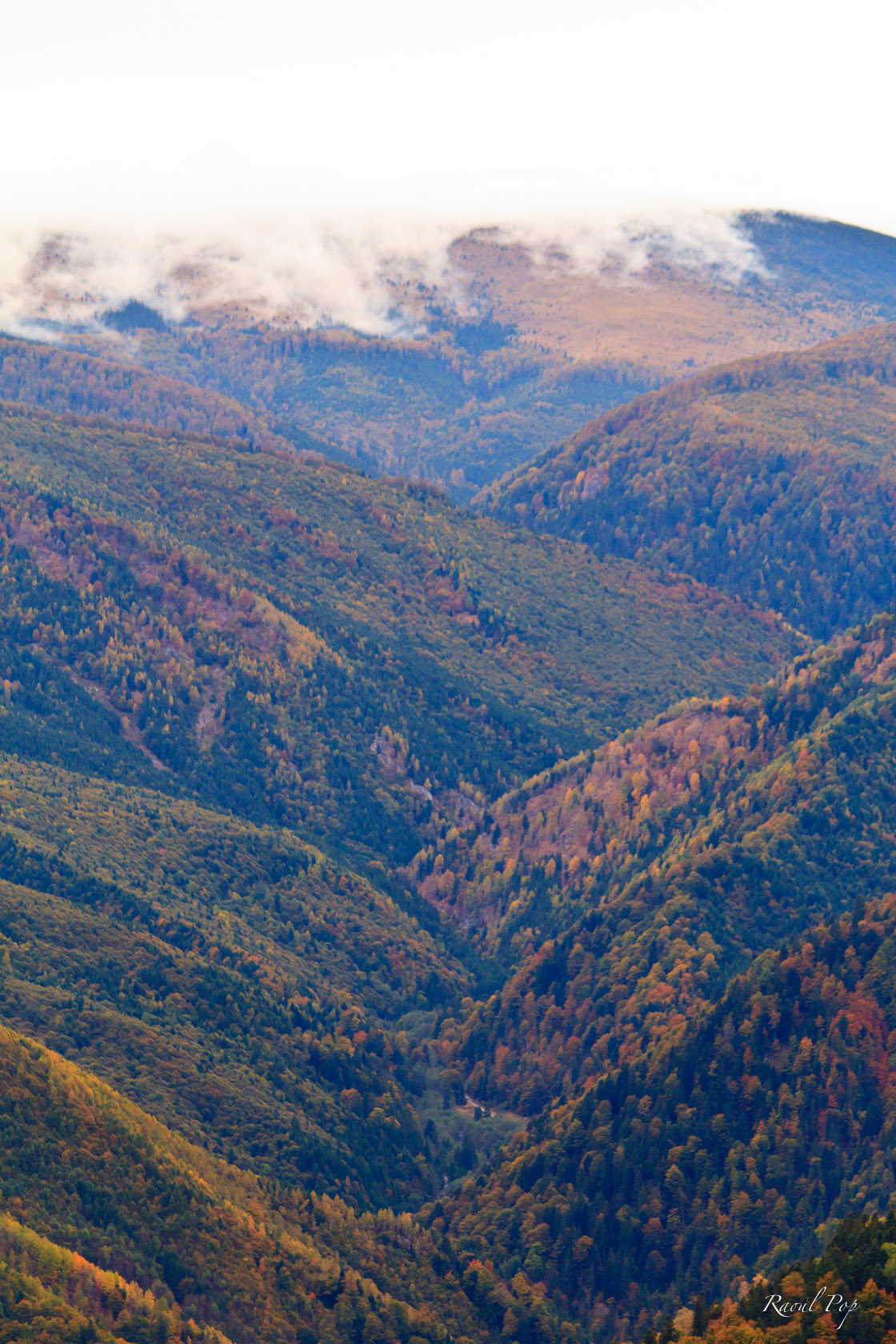
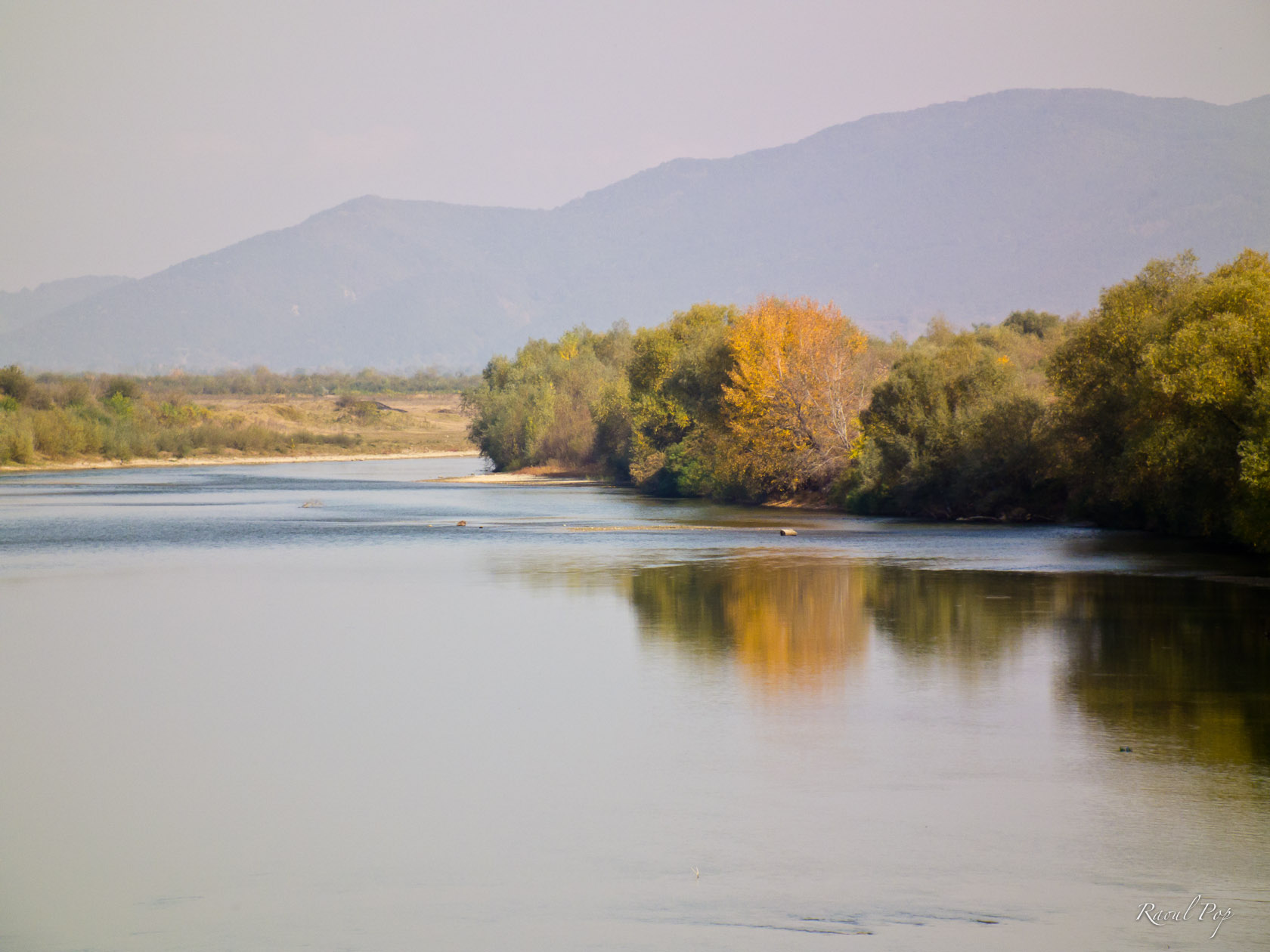
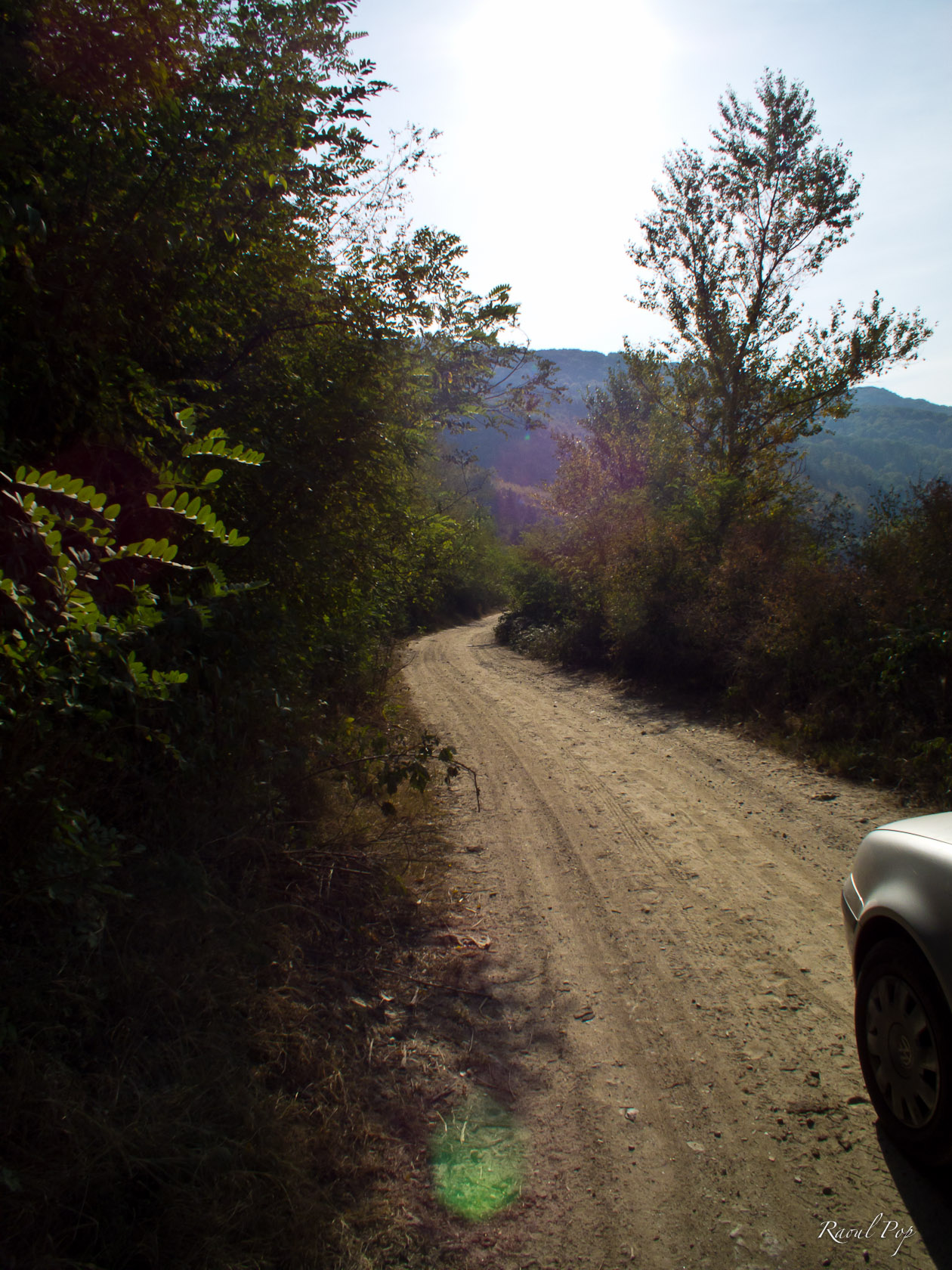
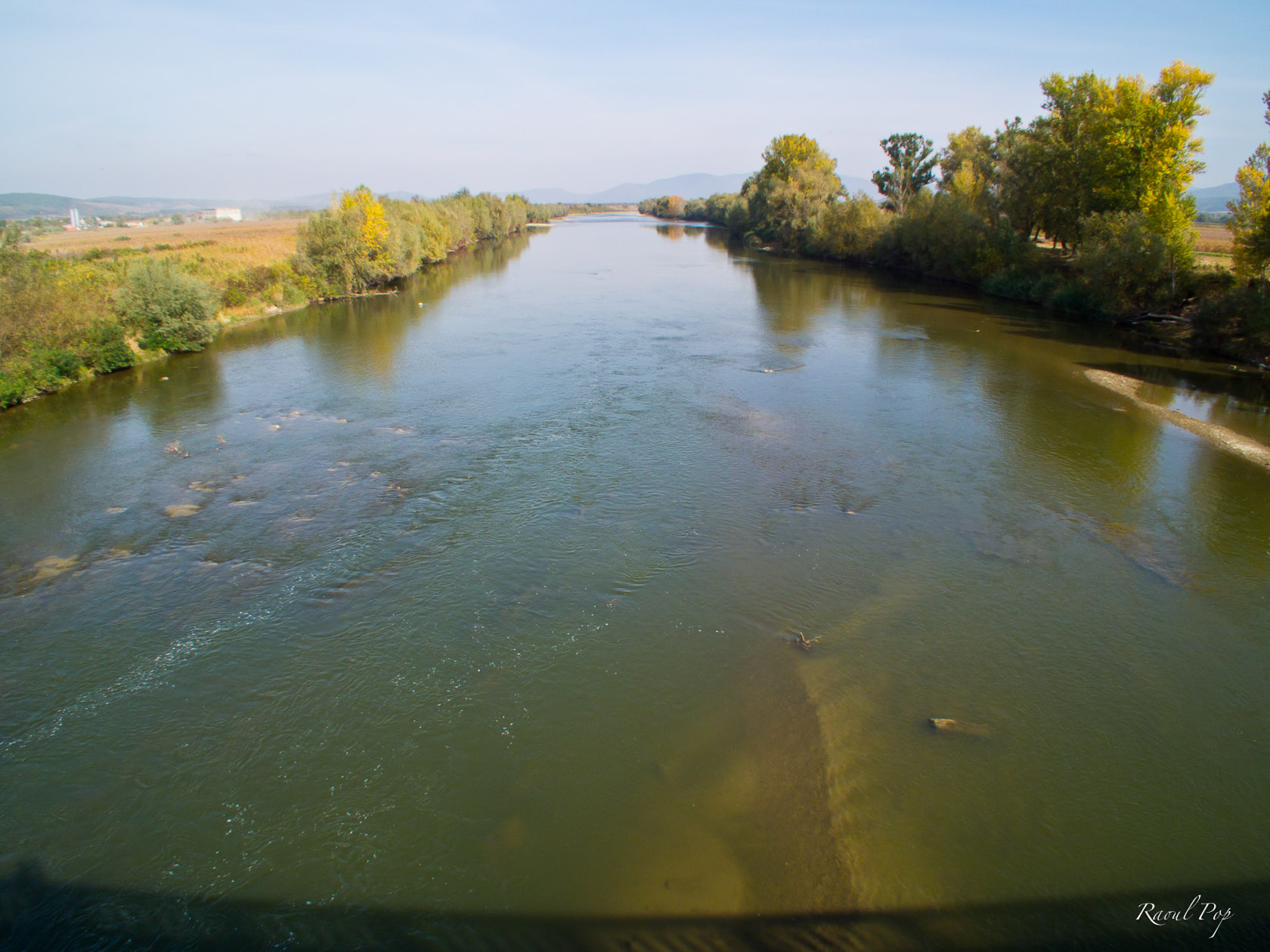
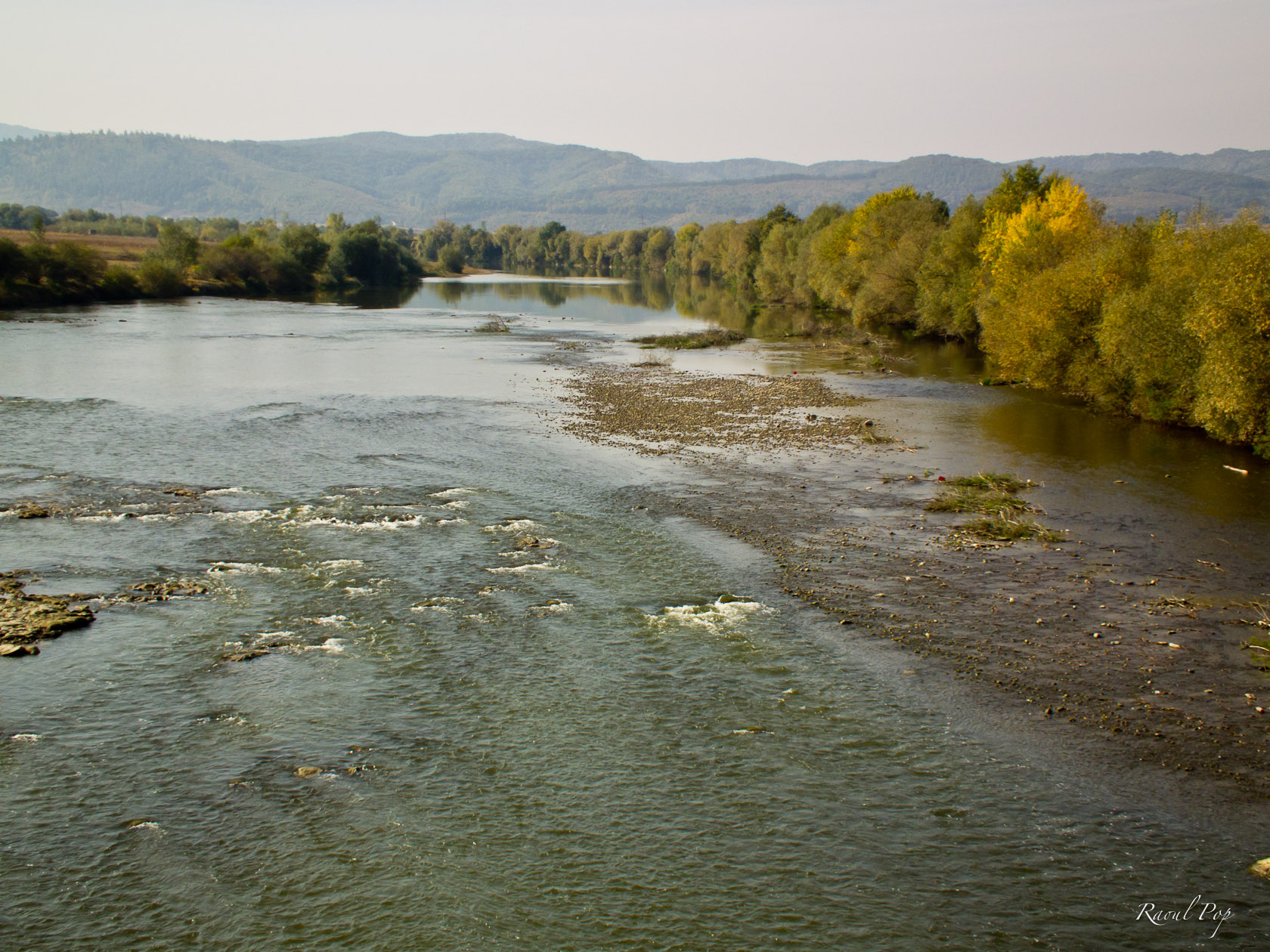
We recently had the chance to explore a portion of the Maramures countryside that’s seldom seen by “civilized” eyes. While trying to find a new route, we stumbled onto a dirt road alongside the Somes River, which connects the village of Remeti pe Somes with Cheud, another village that sits on the Somes river. The dirt road starts here and ends here, but that’s not the part that’s important. What is important is what you’ll see as you travel on it.
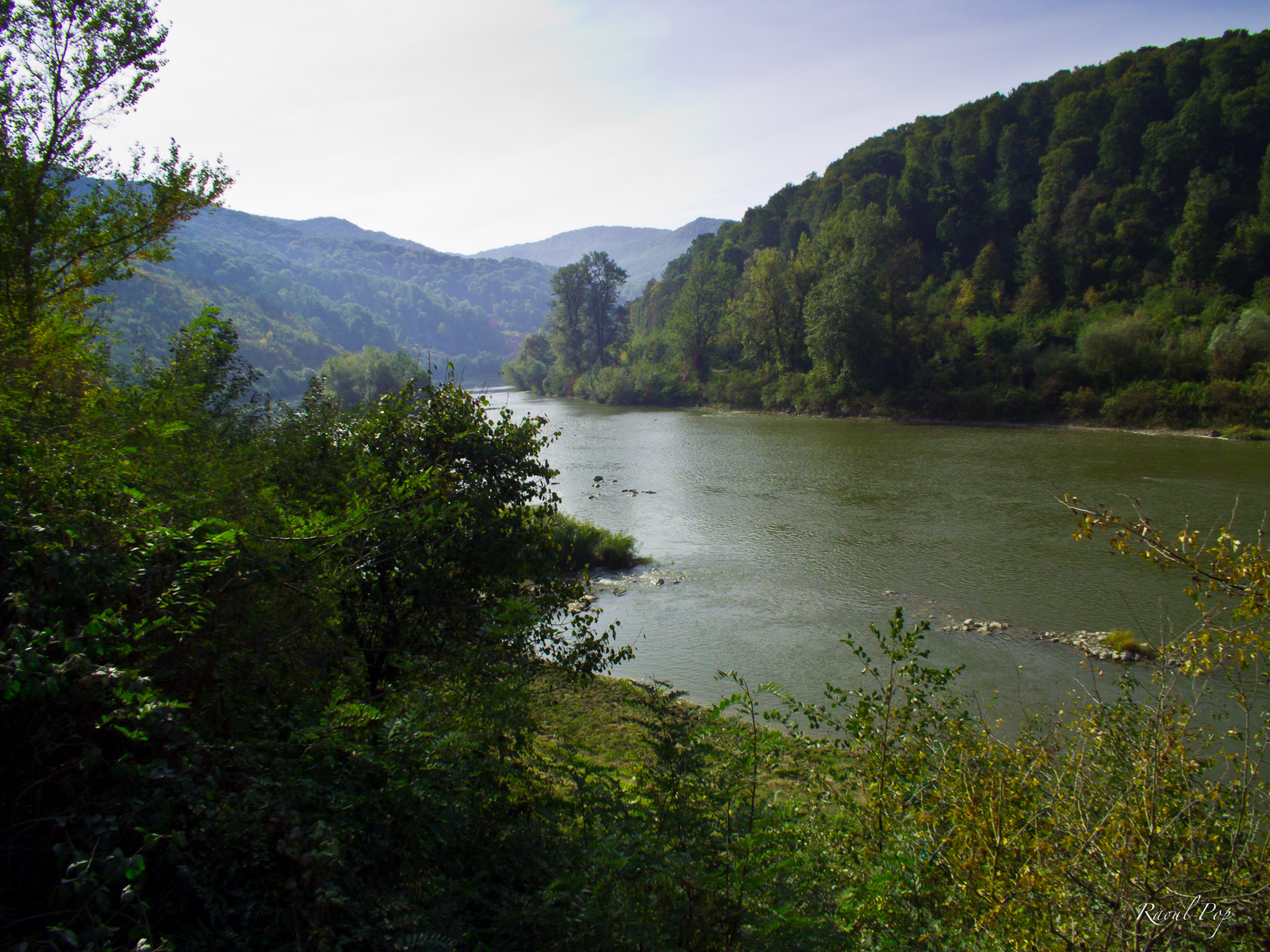
We felt as if we’d stepped back in time. It was as if the road and the countryside were untouched by civilization altogether. We could hear the traffic in the distance, on the other side of the Somes, where the paved road was, yet where we were, it seemed as if progress had decided to take a nap.
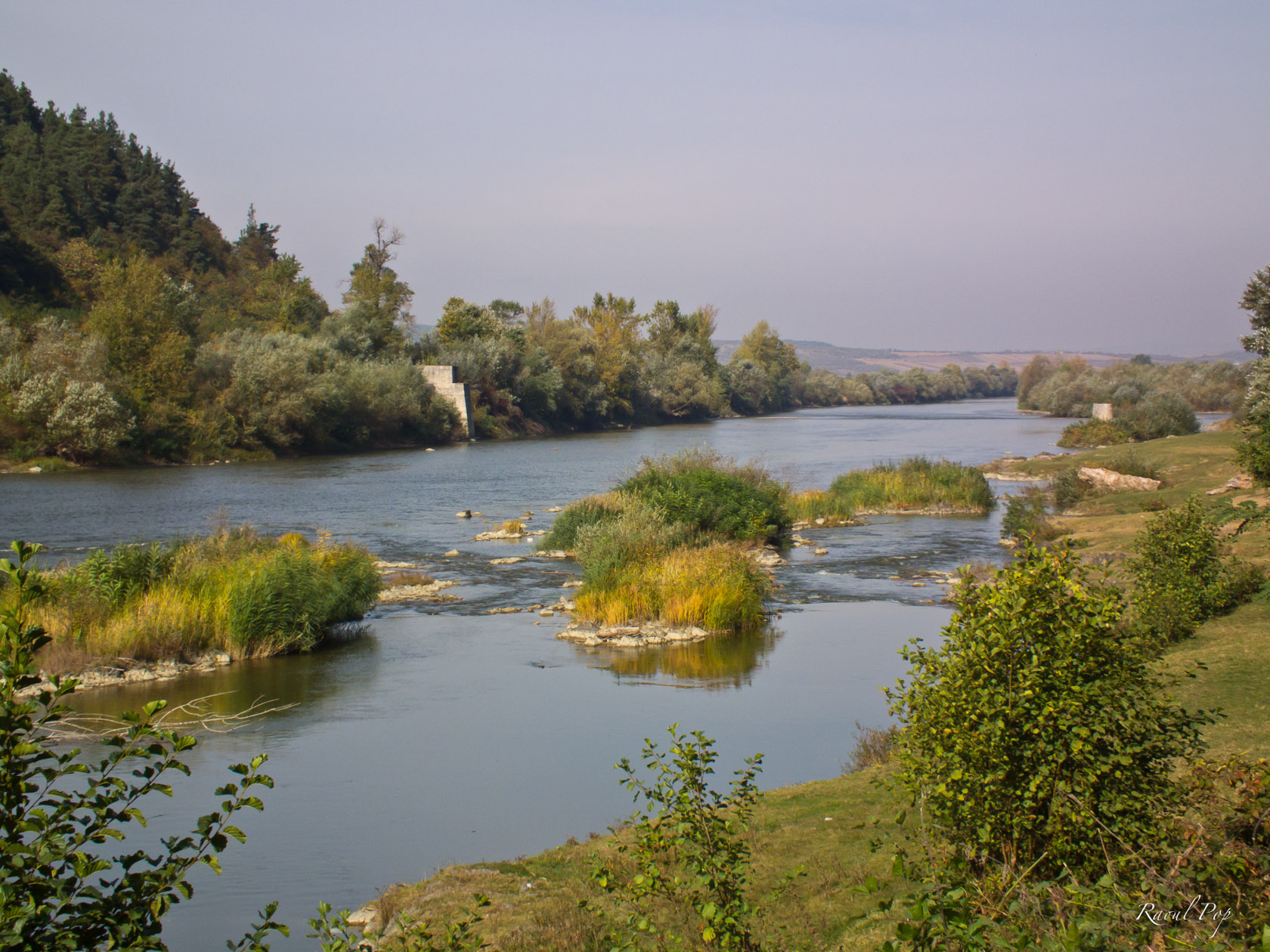
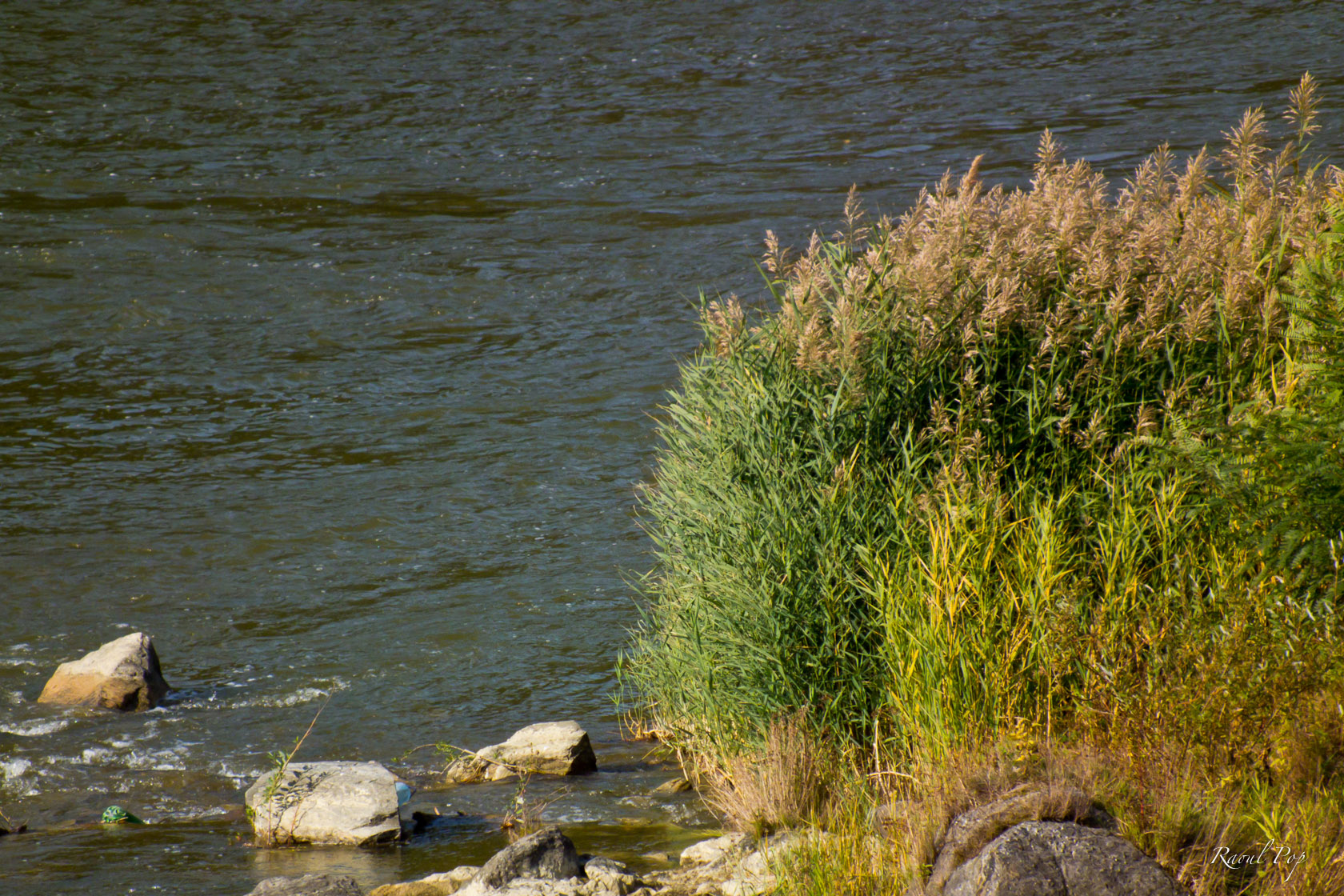
Nature was quiet and majestic. The road twisted and turned with the river, winding its way through meadow and forest, over hill and over dale, over little brooks and springs that found their way into the Somes, adding to its already impressive size. We passed a gypsy dwelling with a few huts and small houses, hidden at the edge of a forest, miles and miles away from paved roads and civilization. Their kids, unwashed, dressed in rags and looking like medieval imps, pounced on our car, begging for change (their training begins early on in life).

Later on, we passed a pasture, replete with an idyllic herd of cows grazing peacefully on the abundant grass. And as we drove on, passing under large, thick trees, it occurred to us that this was an old road, a road that had likely been in use for hundreds, if not thousands of years, a companion to the river, now forgotten and abandoned in favor of the paved roads that cut through the landscape instead of working with it.

Ligia and I have seen our fair share of unpaved roads and beautiful scenery in Romania, but on this particular dirt road, on that particular segment of it, we felt more than at other times, that we’d stepped back in time a little, that we’d experienced a bit of what it was like to travel during the time of the dirt roads, at the speed of a horse’s trot. It felt odd to rejoin civilization afterward, our car fitting into the modern landscape yet covered in a thick layer of primeval dust — a reminder of our trip through time.
Standard
Places

First snow on the Transalpina Road

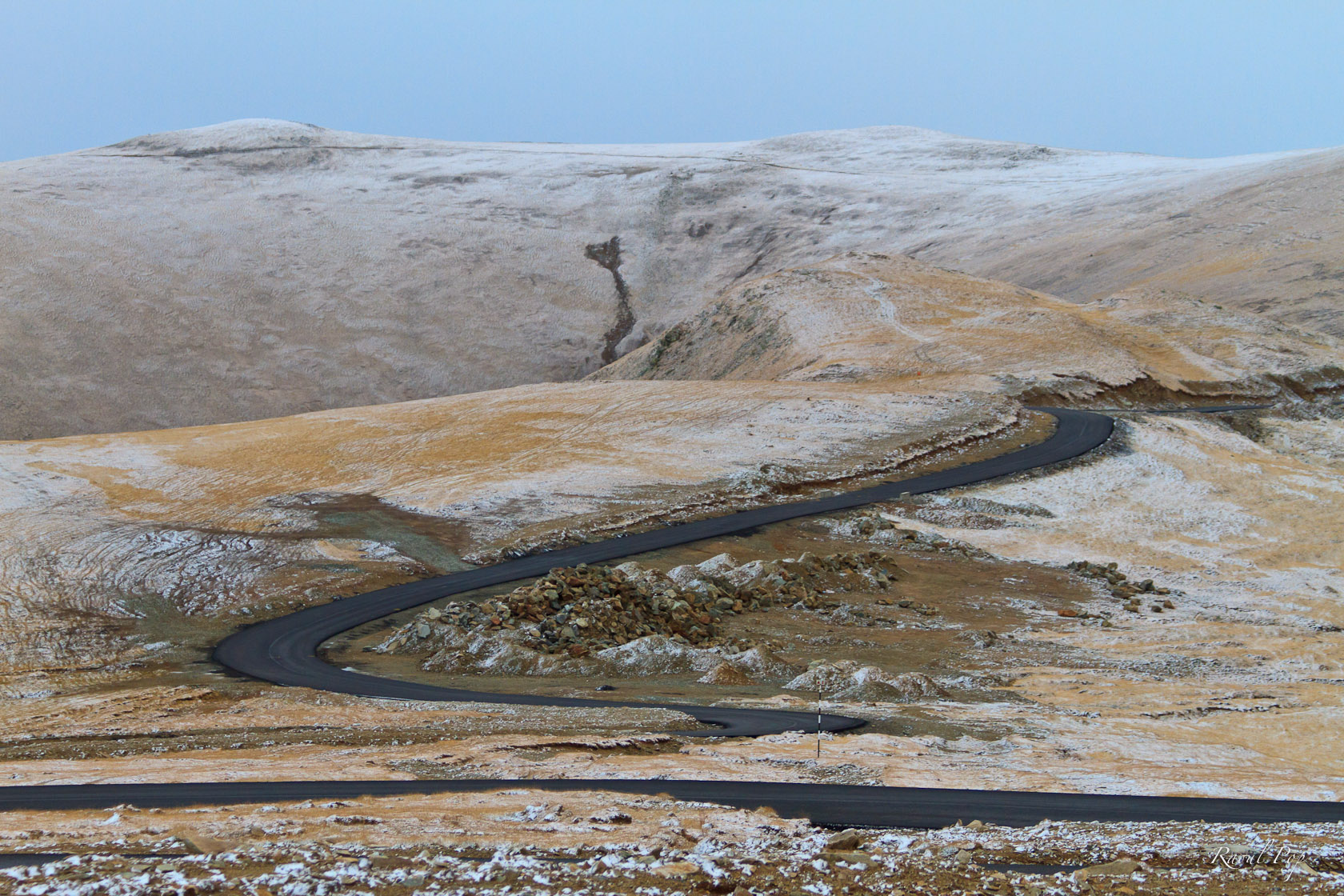
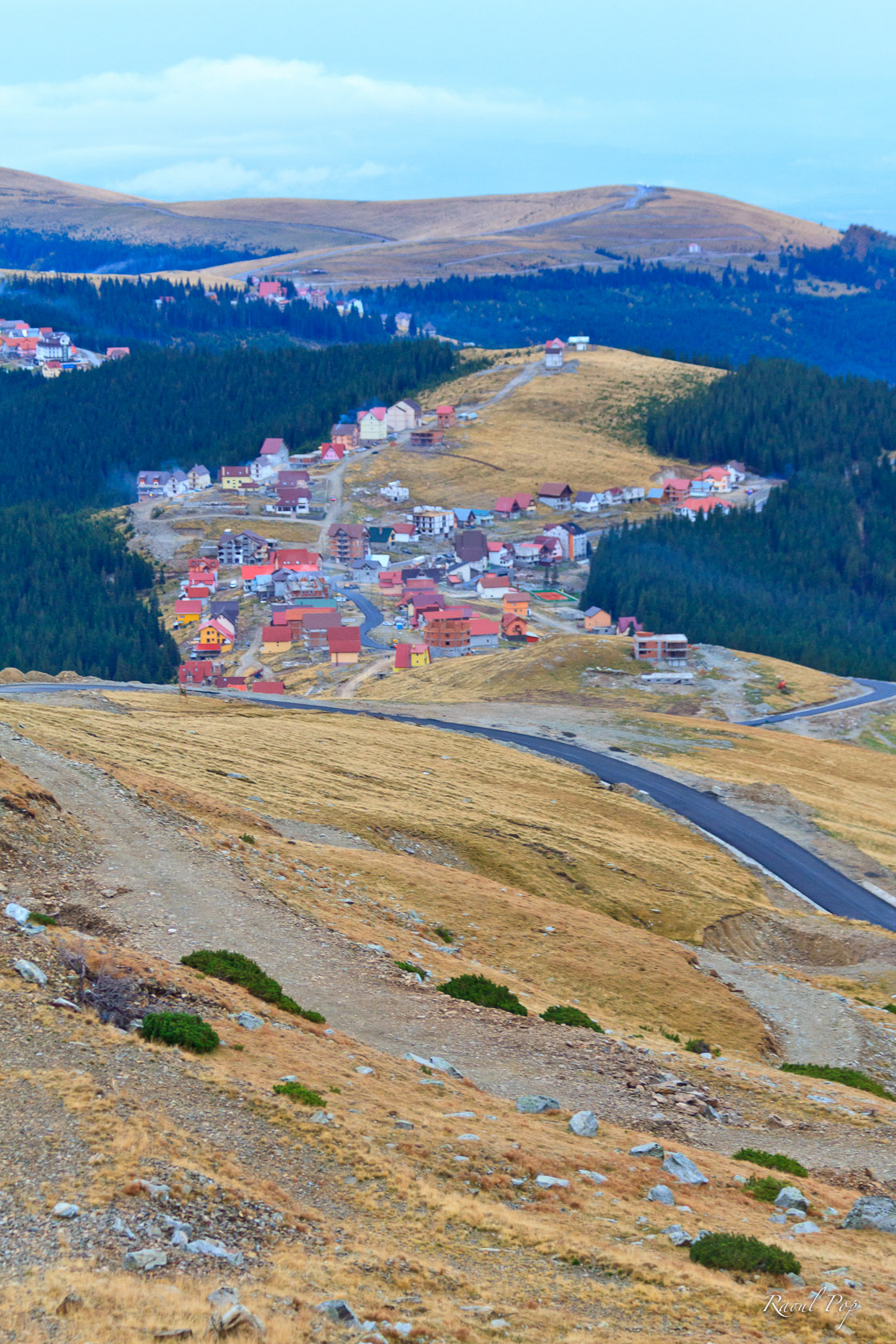
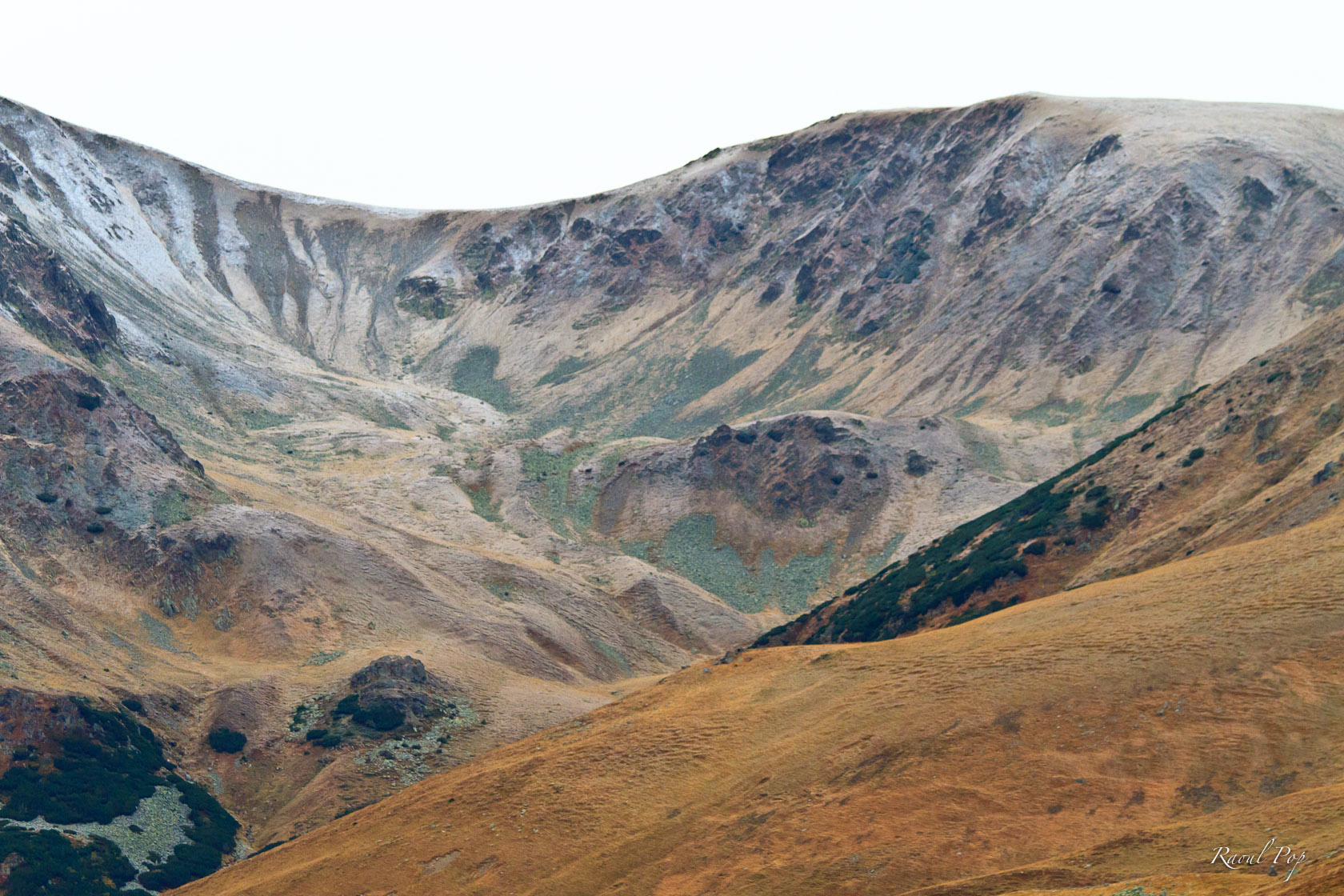
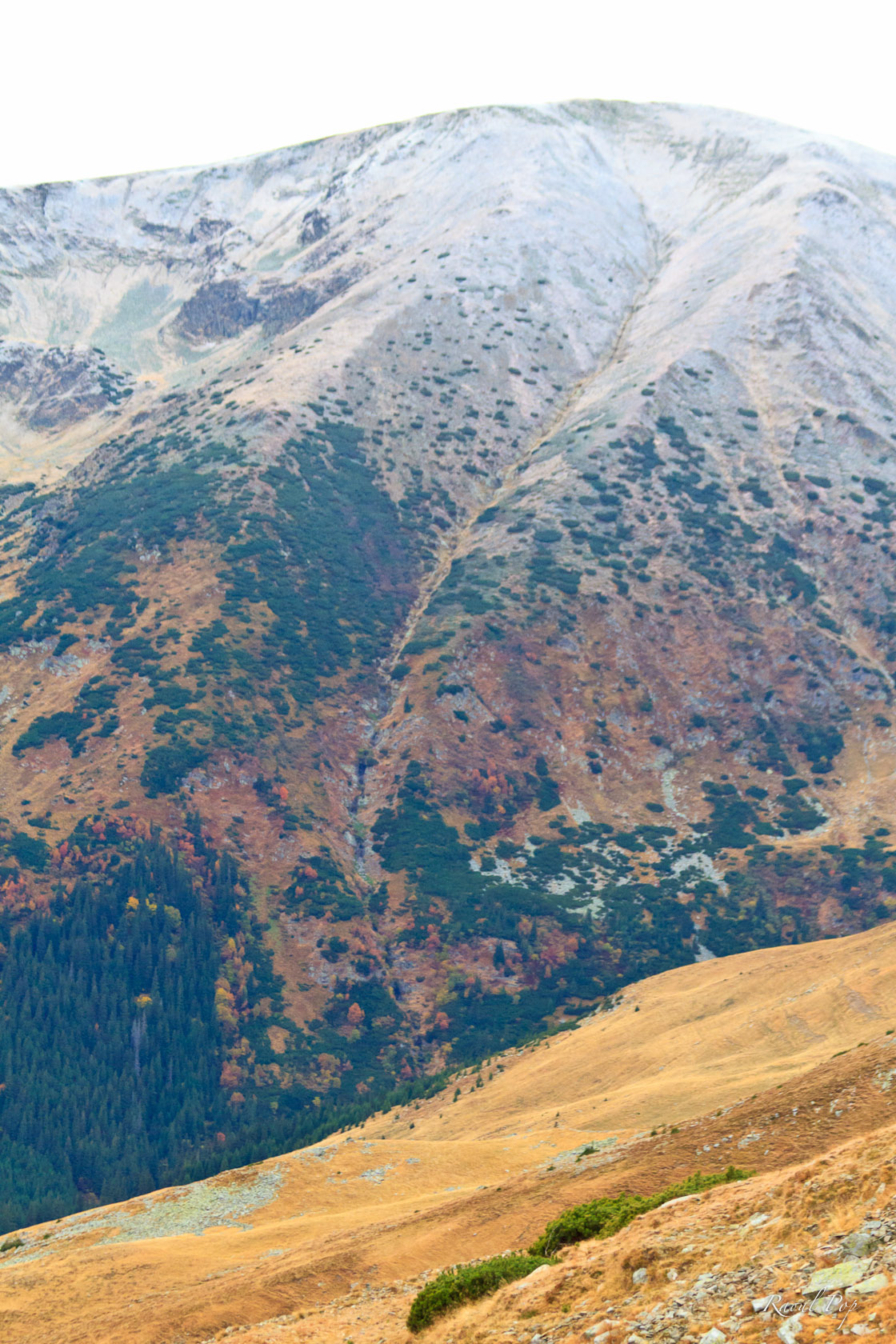
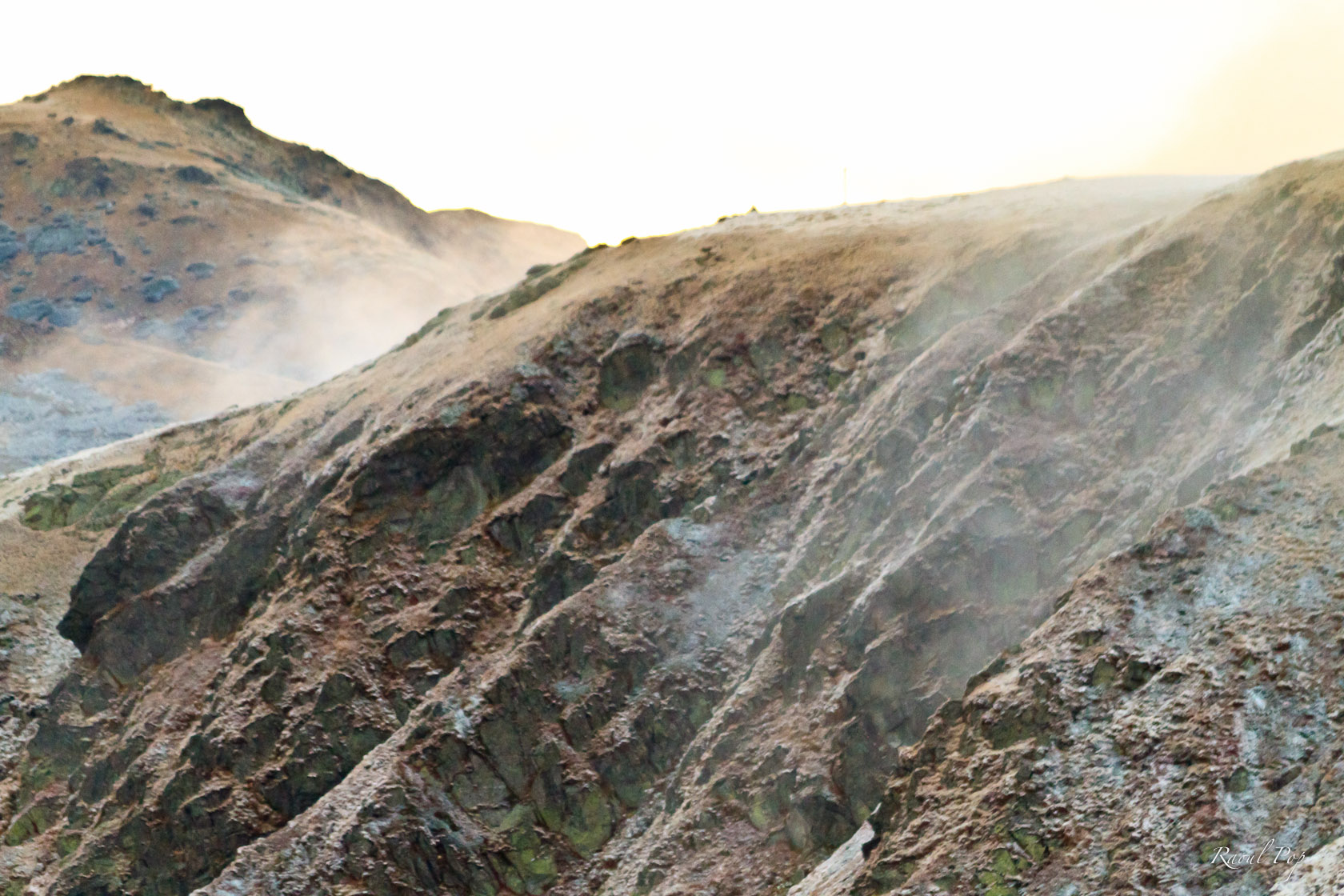
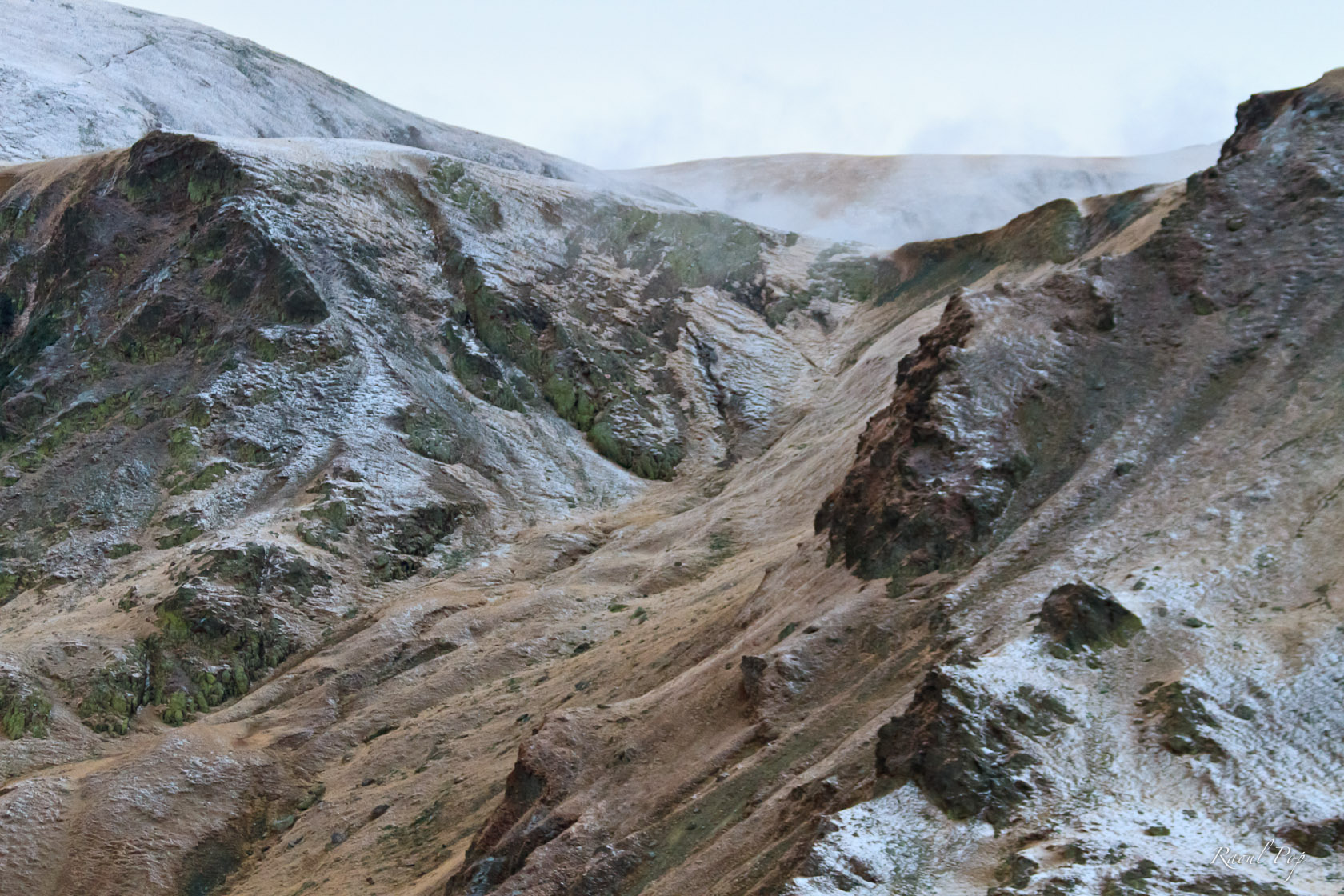
Transalpina is the highest road in Romania. It’s also quite possibly its most picturesque; it certainly offers the most beautiful sights I’ve seen in Romania so far. It connects Transilvania to Oltenia, and the official length of the entire road is 148 km from Novaci to Sebes, although only a stretch of 30-40 km travels atop the Parang Mountains (part of the Carpathians), reaching an altitude of 2145 meters at its highest point.

The road was built by the Romans, as they traveled north toward Sarmisegetusa and then used by them as they carted off thousands of tons of gold and silver from Dacia’s rich mines. (You might want to read through this post for the background info.)

According to this website, the road was paved with rocks by King Carol I in the 1930s, maintained by the Nazis during WWII, then forgotten. Work to repave its entire length began in 2009 and it still goes on, though large portions of the road, including its most beautiful sections, are now ready to be used.

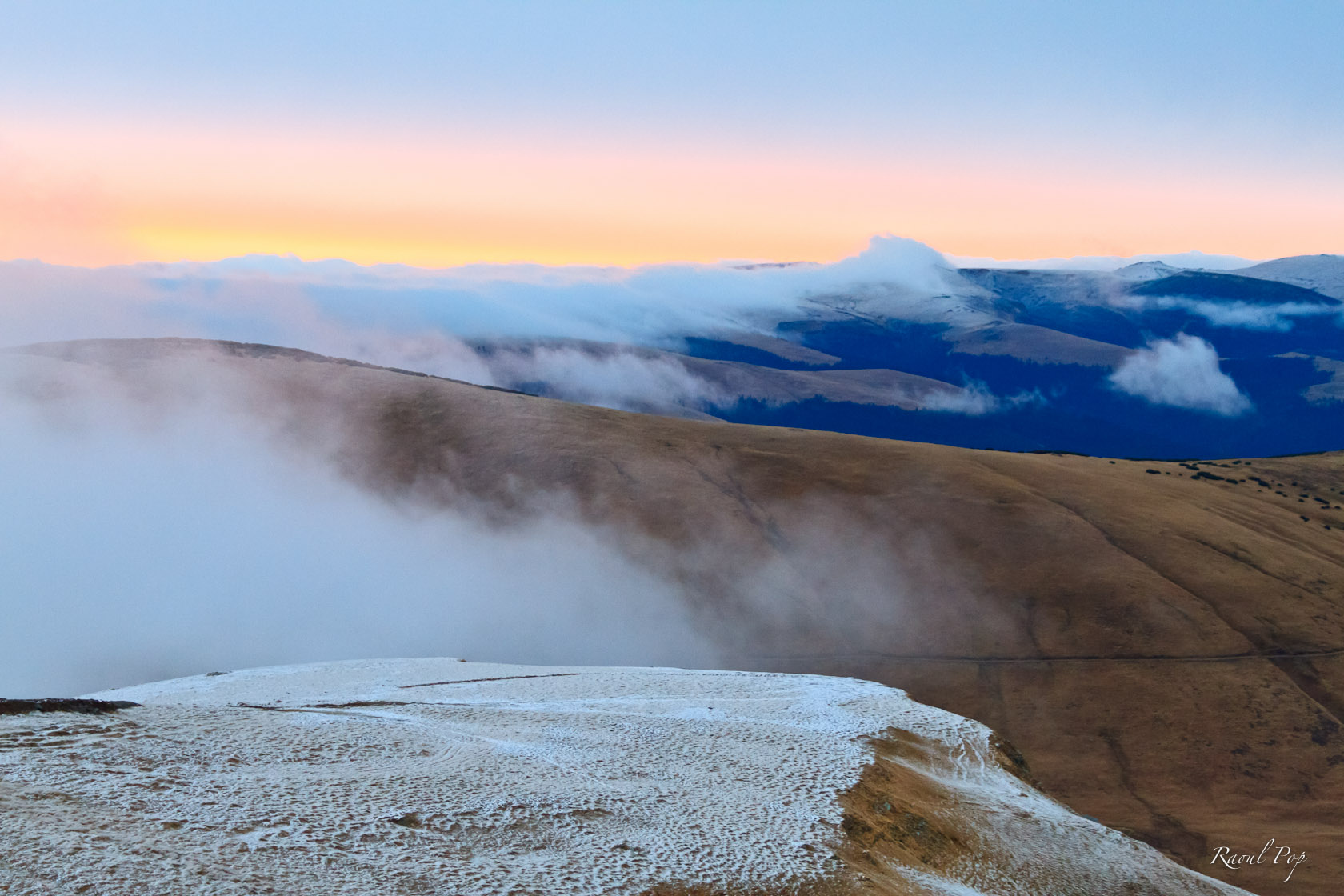
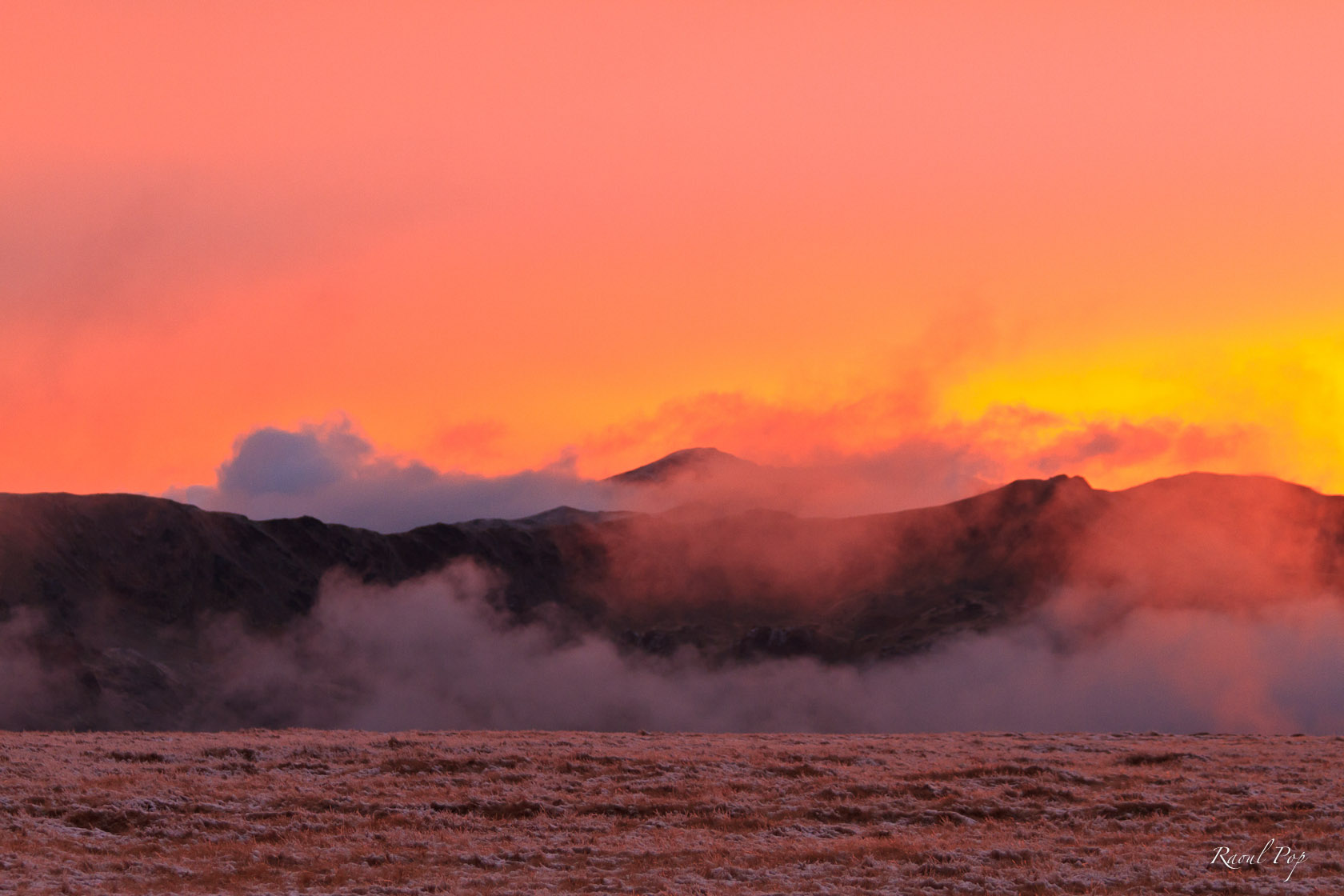
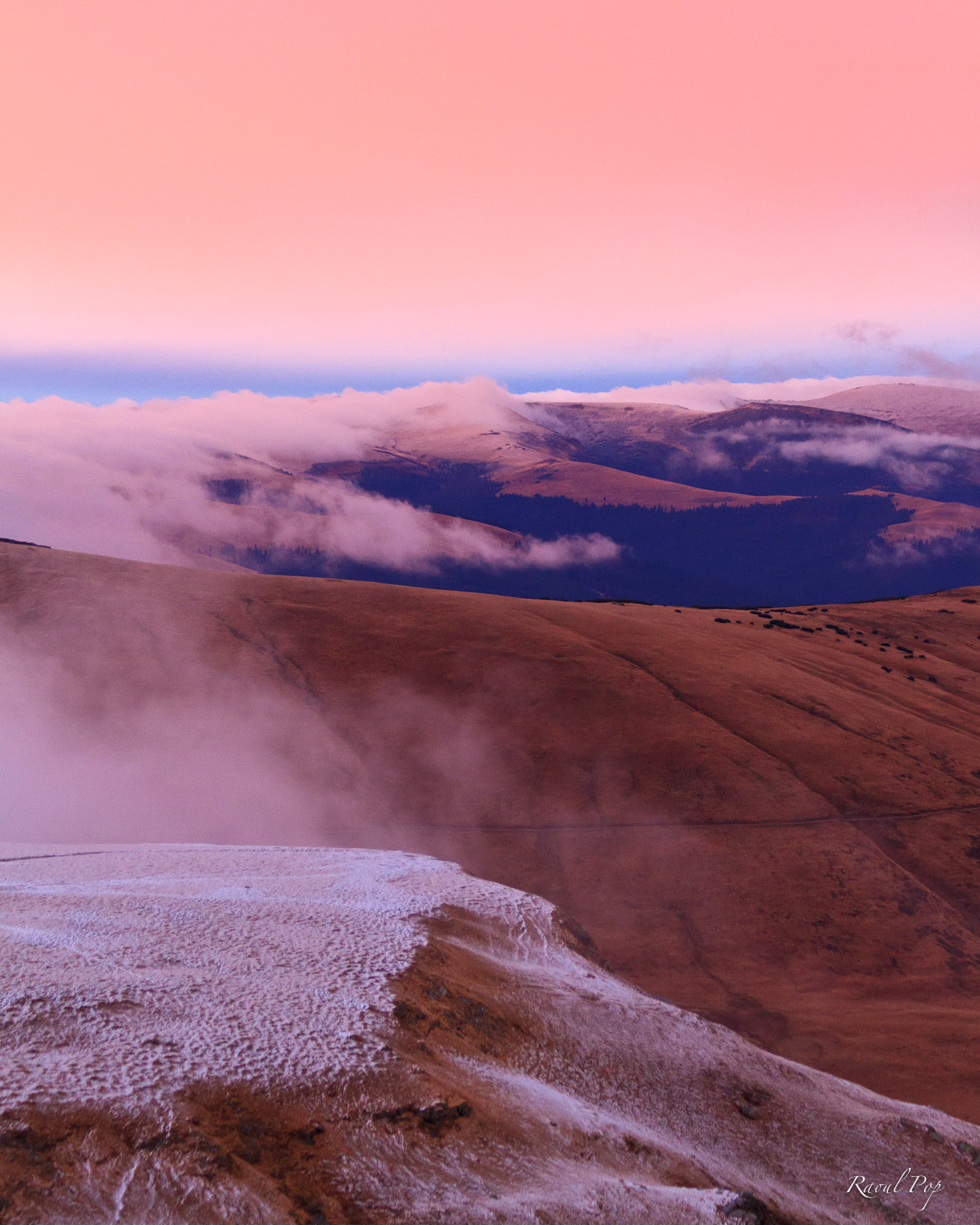
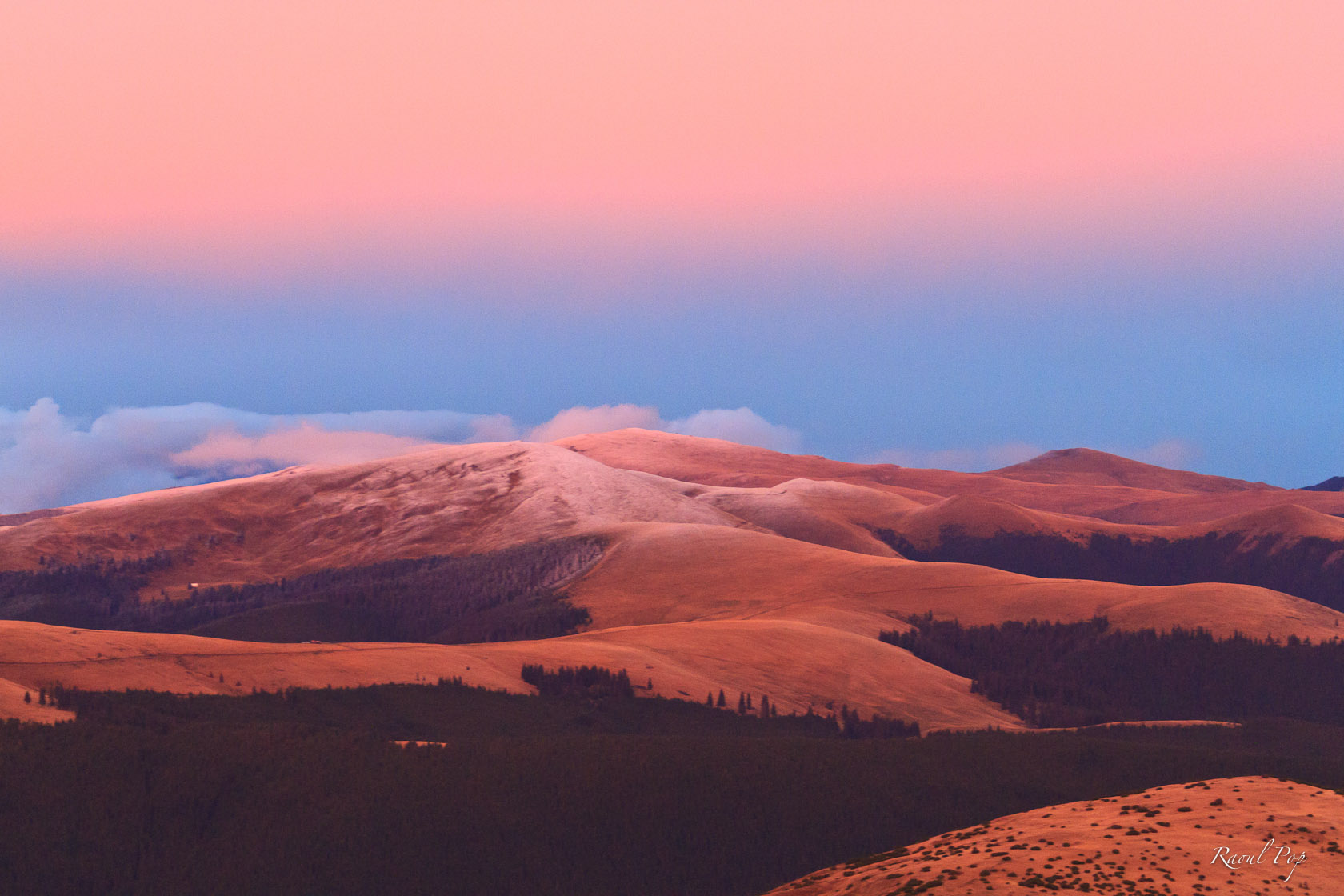
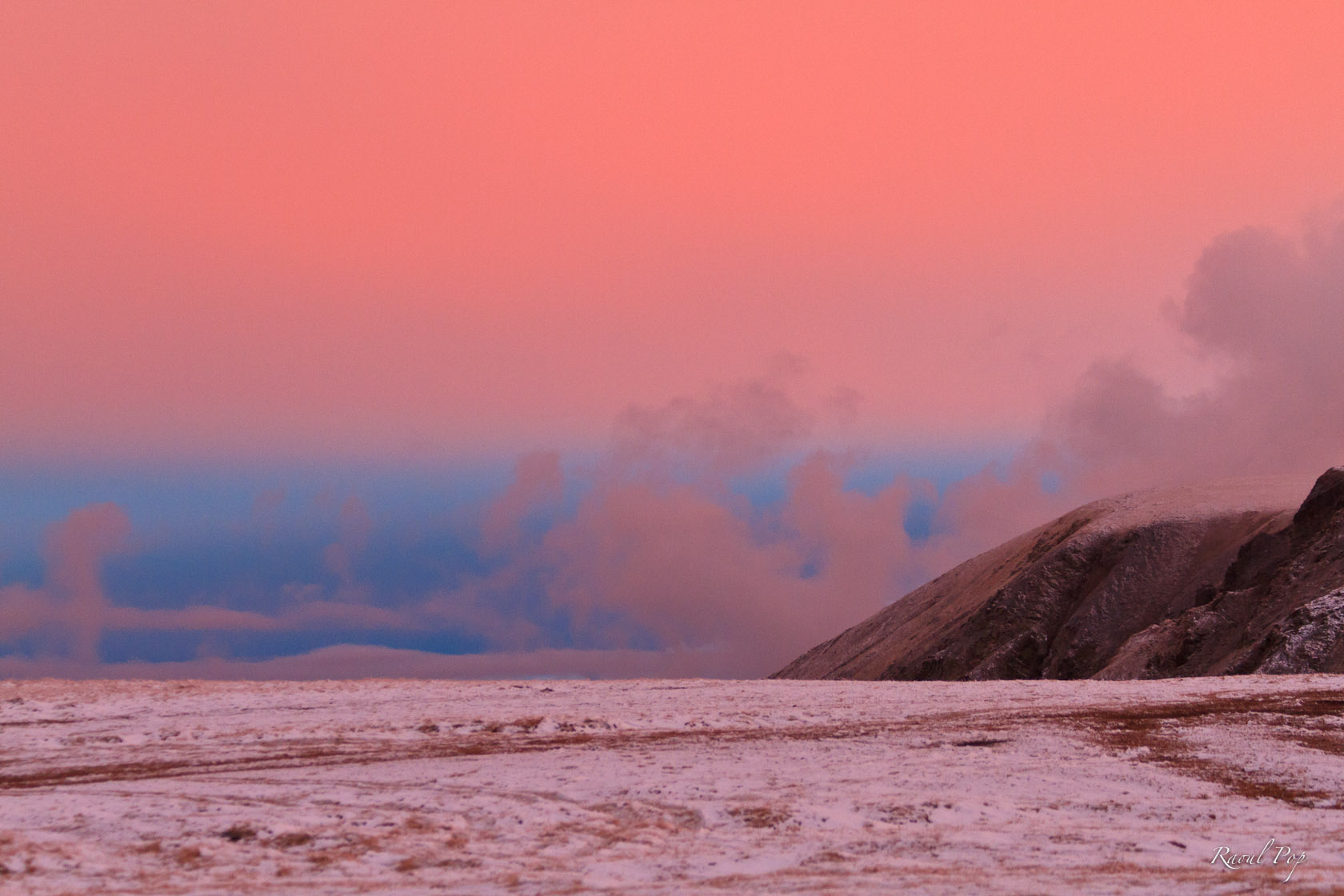
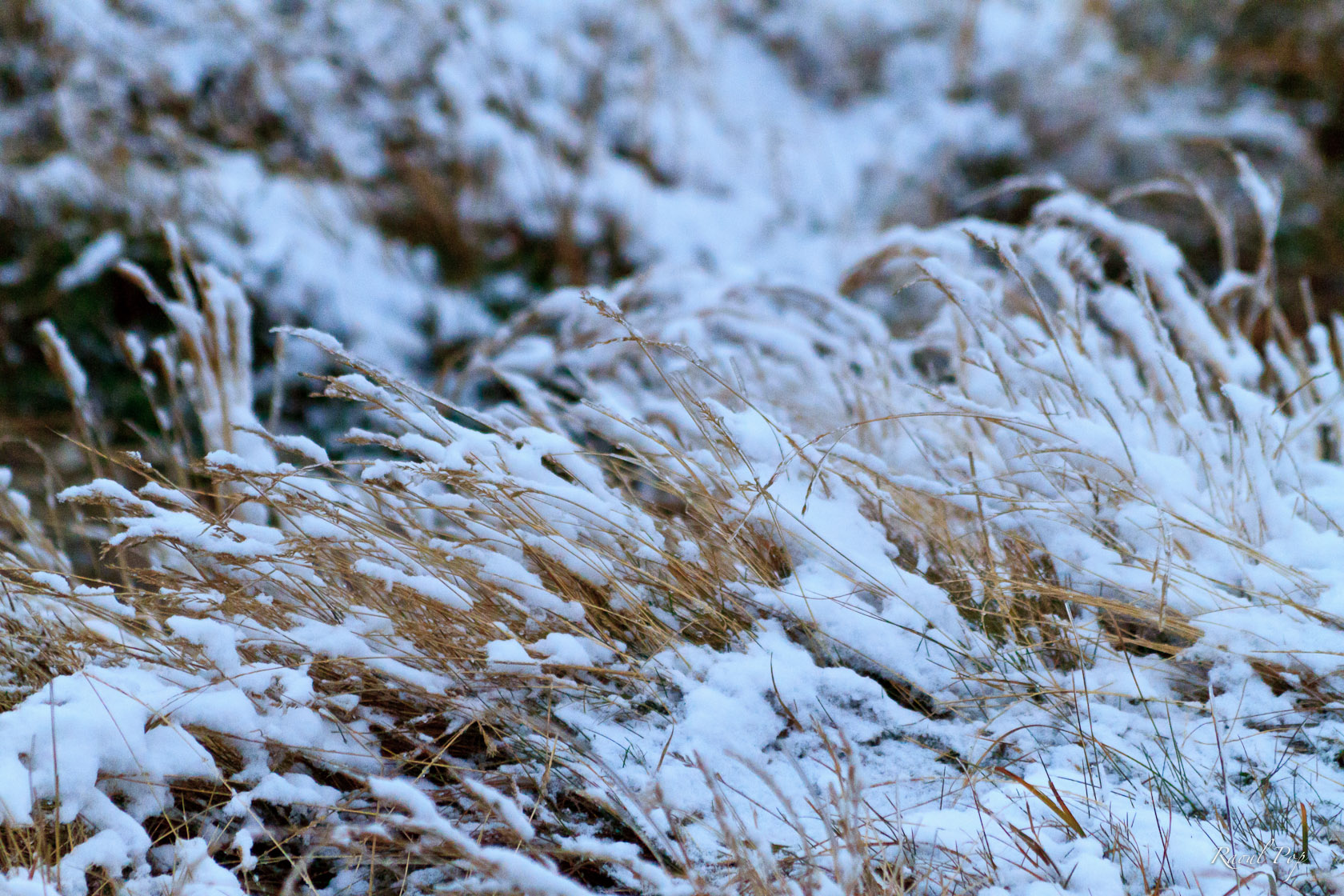
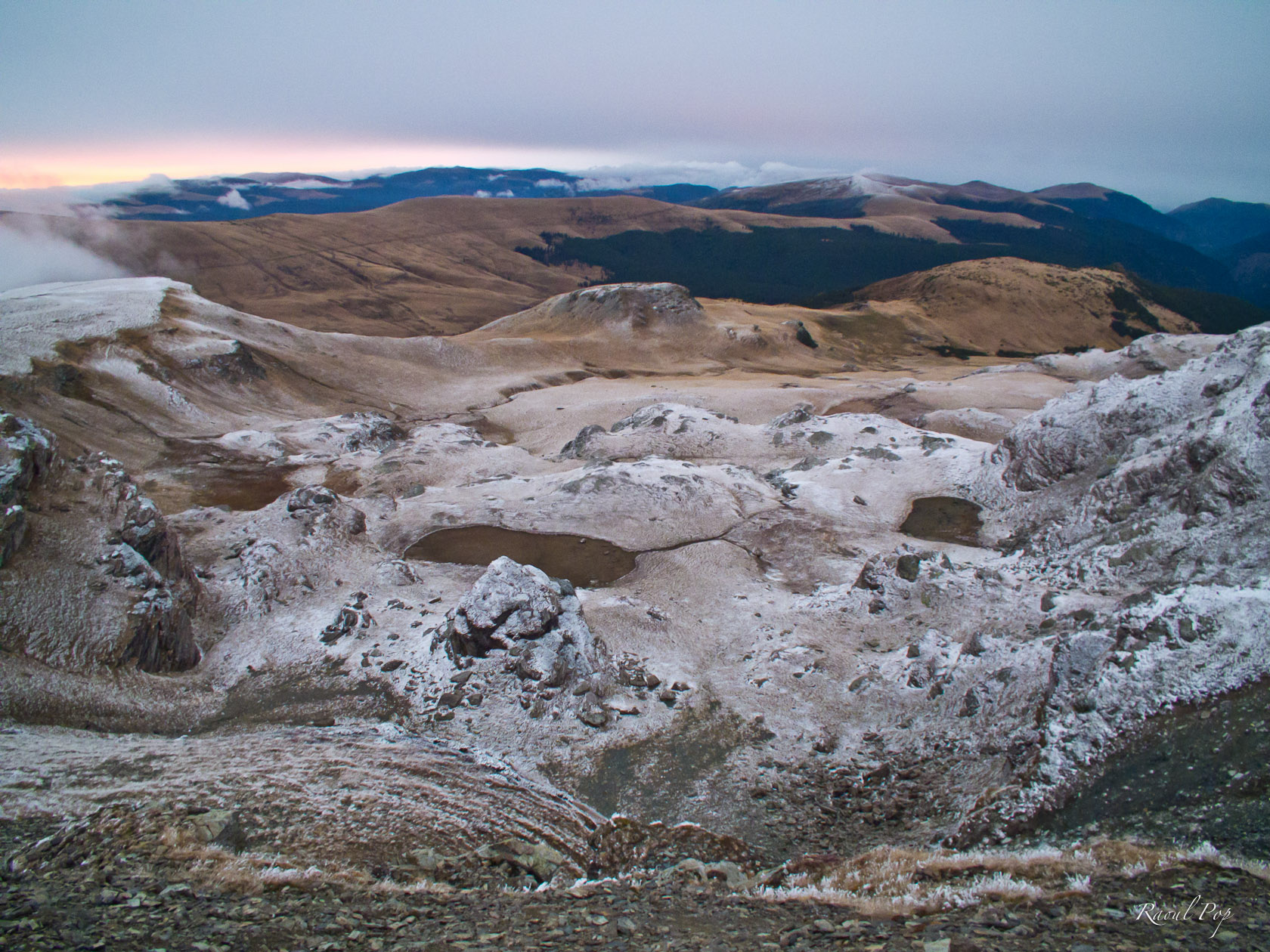
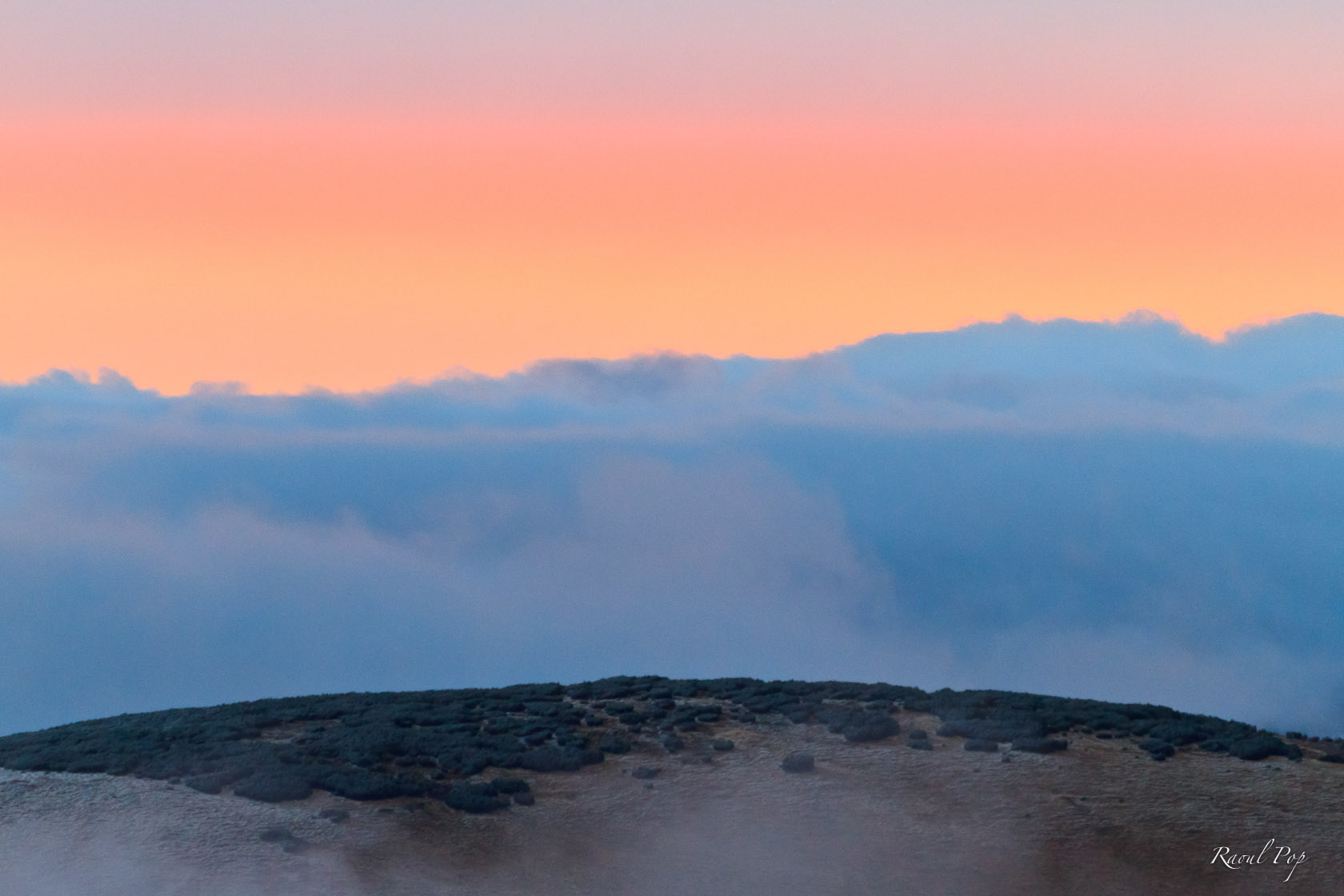
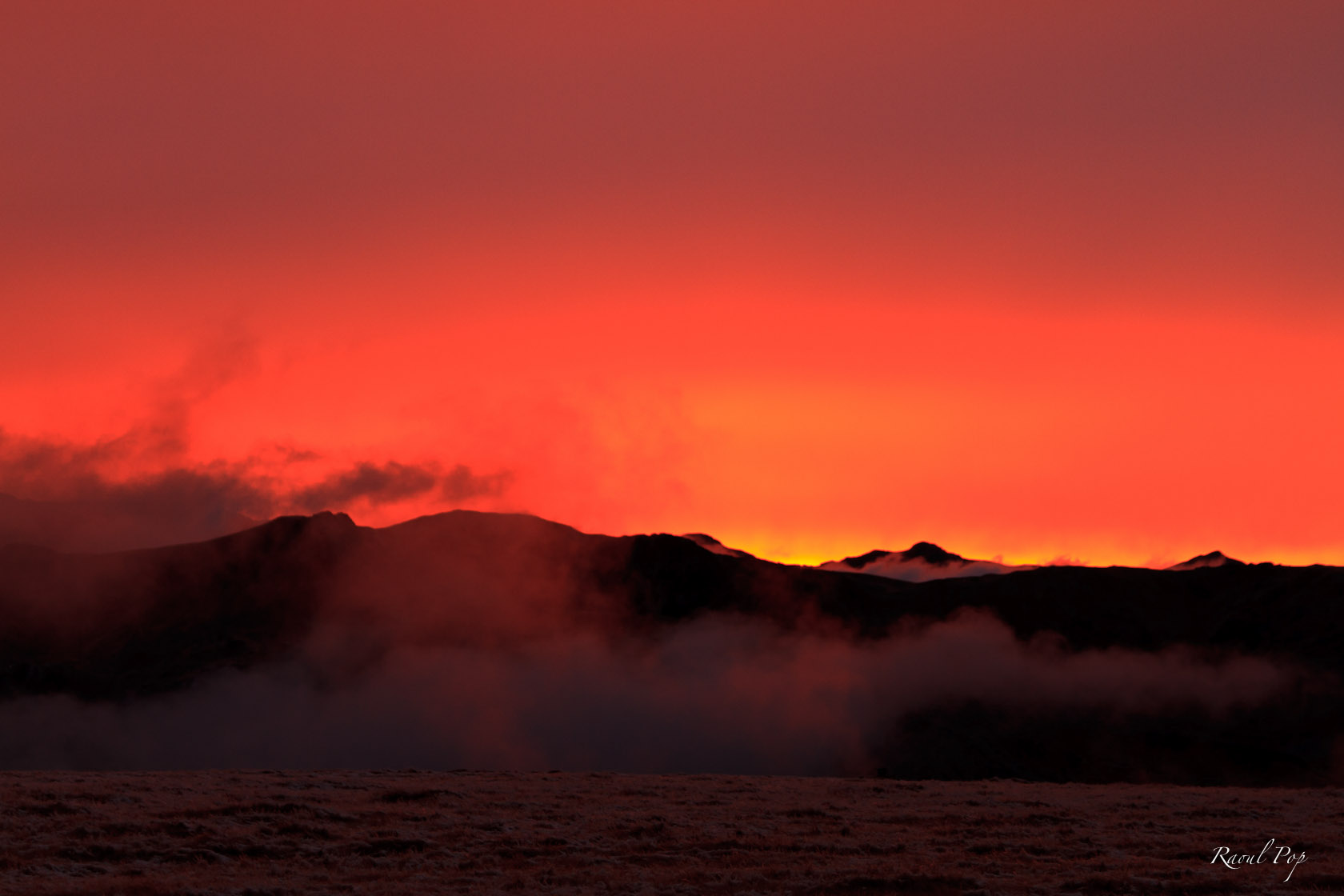
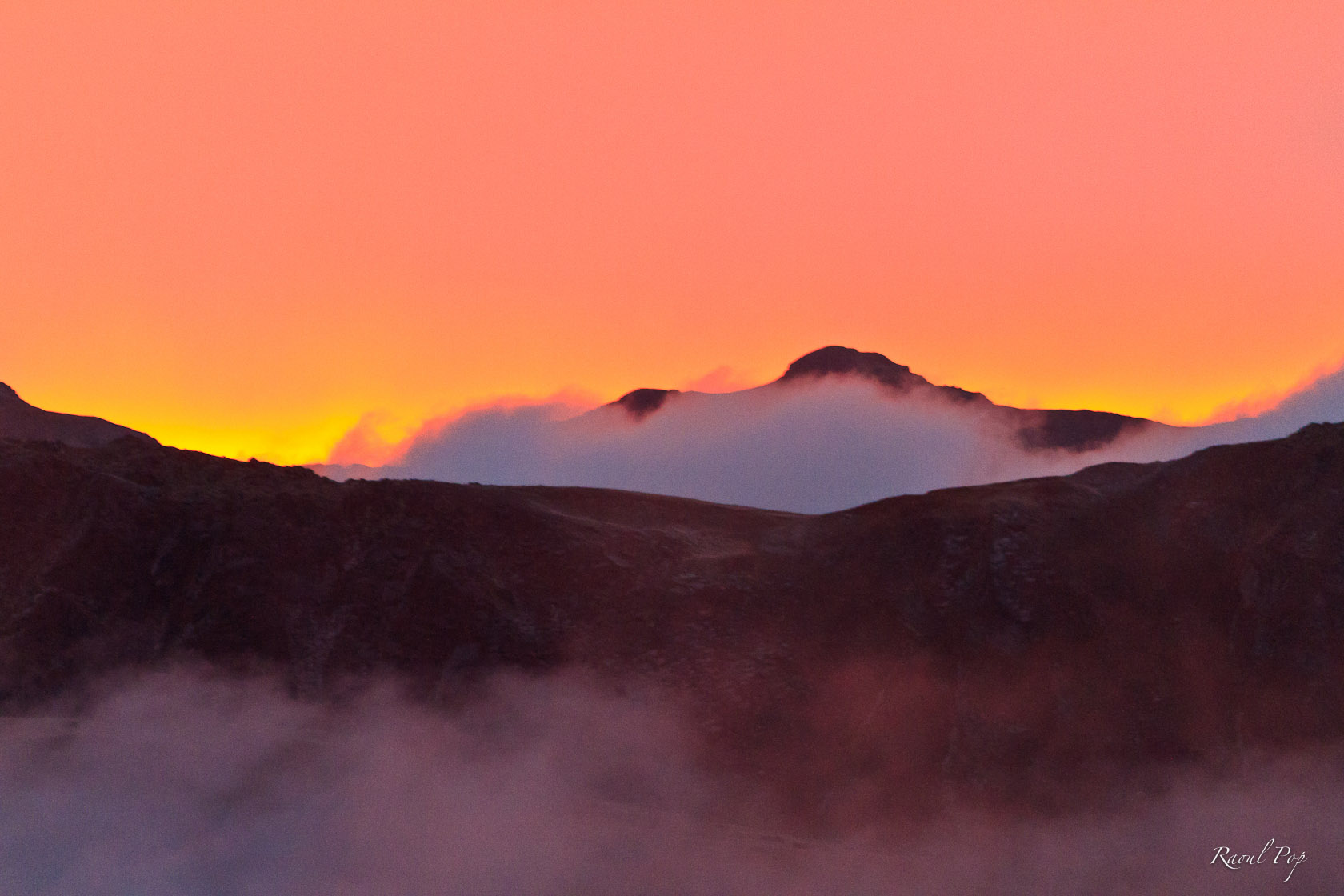
We visited Transalpina twice this year, most recently during this past weekend, and we were awestruck by the beauty of the vistas you can see as you travel along its length. We had the good fortune to drive through right after first snow had fallen on the peaks, draping them in a light blanket of pure white snow. Moreover, we were blessed with a gorgeous sunset that colored everything in sight in a golden orange hue. It was heavenly.

We’d have loved to spend more time atop the mountains but night was falling quickly, the temperature was dropping, and we had hundreds of “miles to go” before we could sleep, to paraphrase Robert Frost.

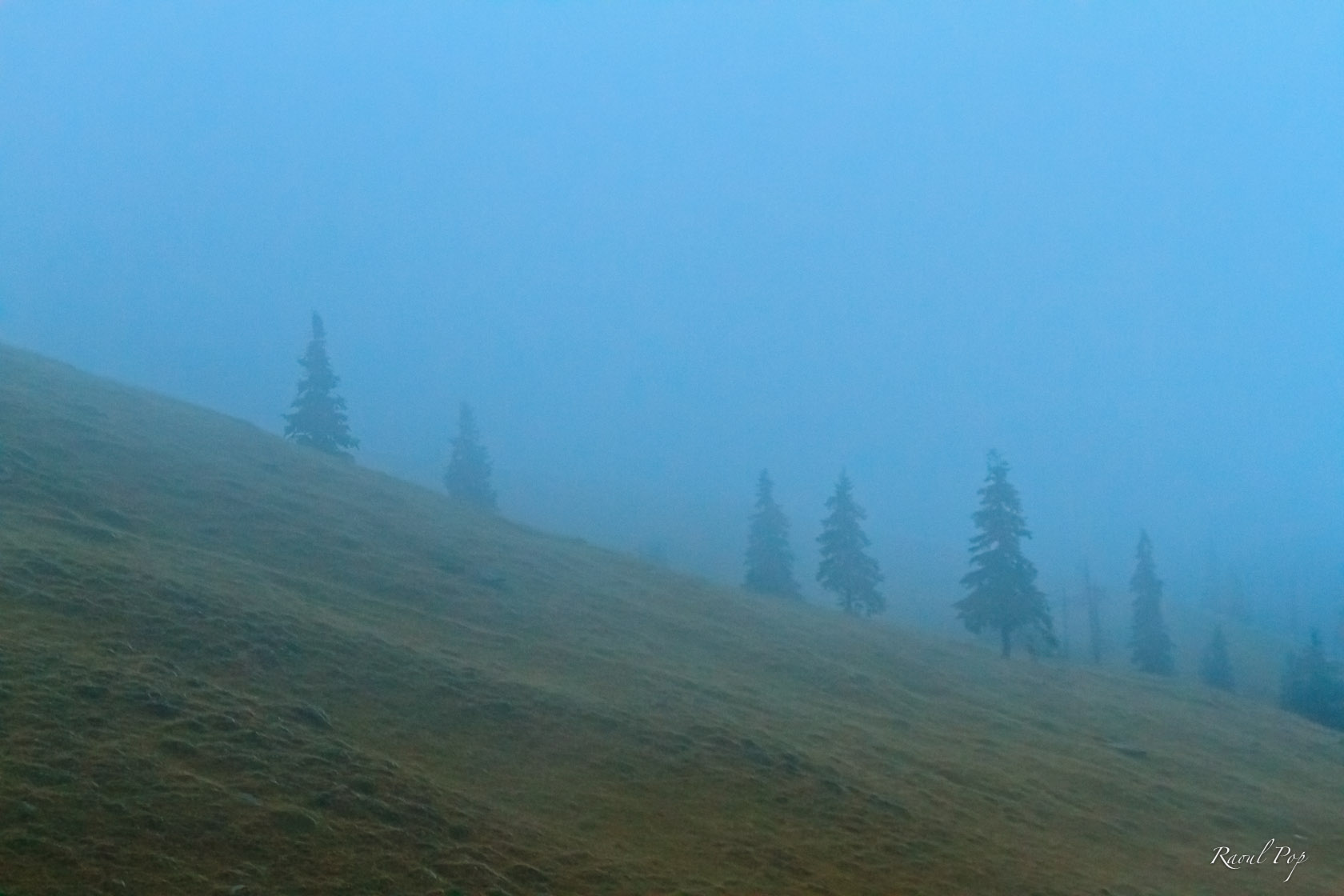
We drove on, descending into the valley below and into thick fog, then wound our way through the mountains toward Sibiu, passing through such interesting places as Jina and Poiana Sibiului.

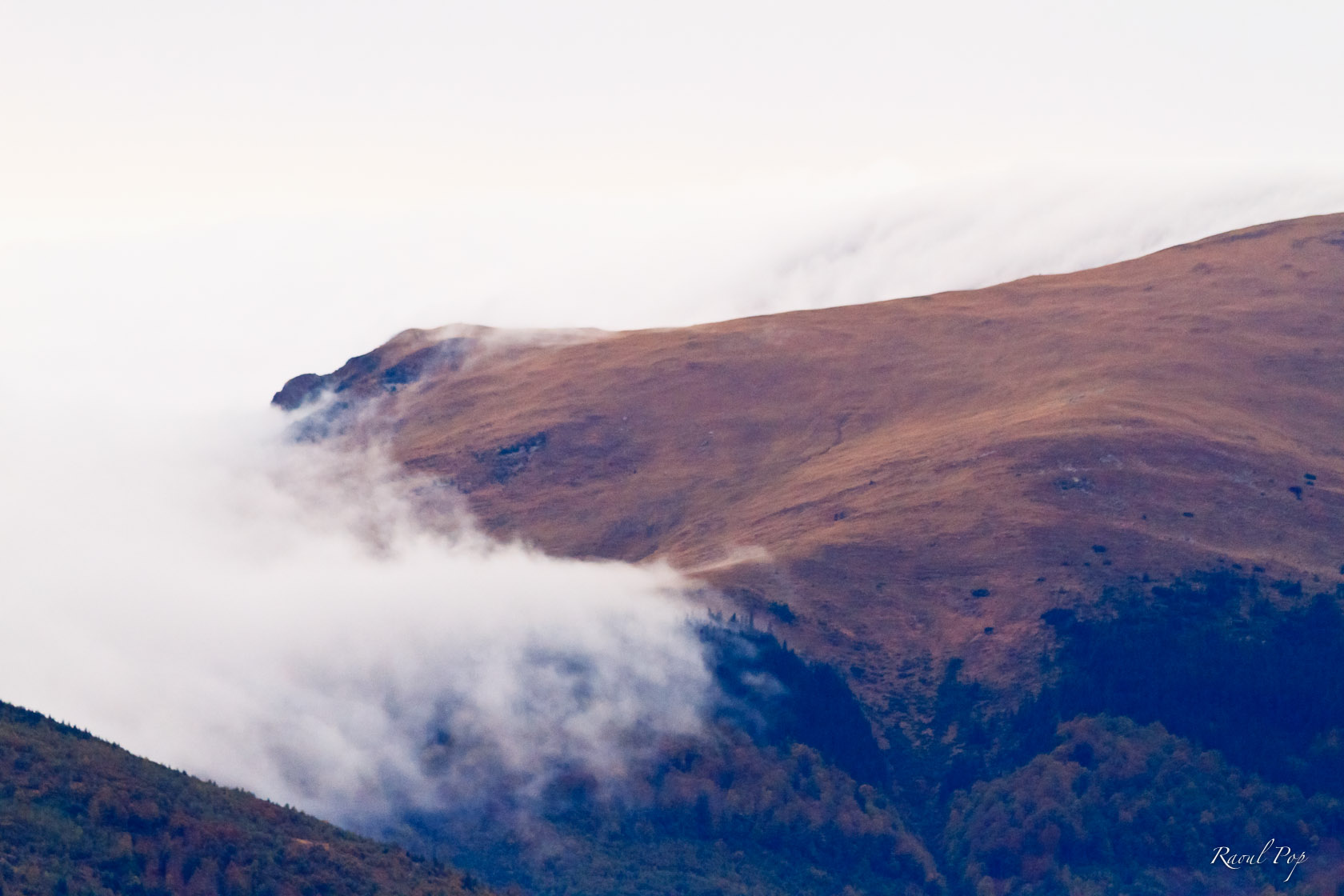
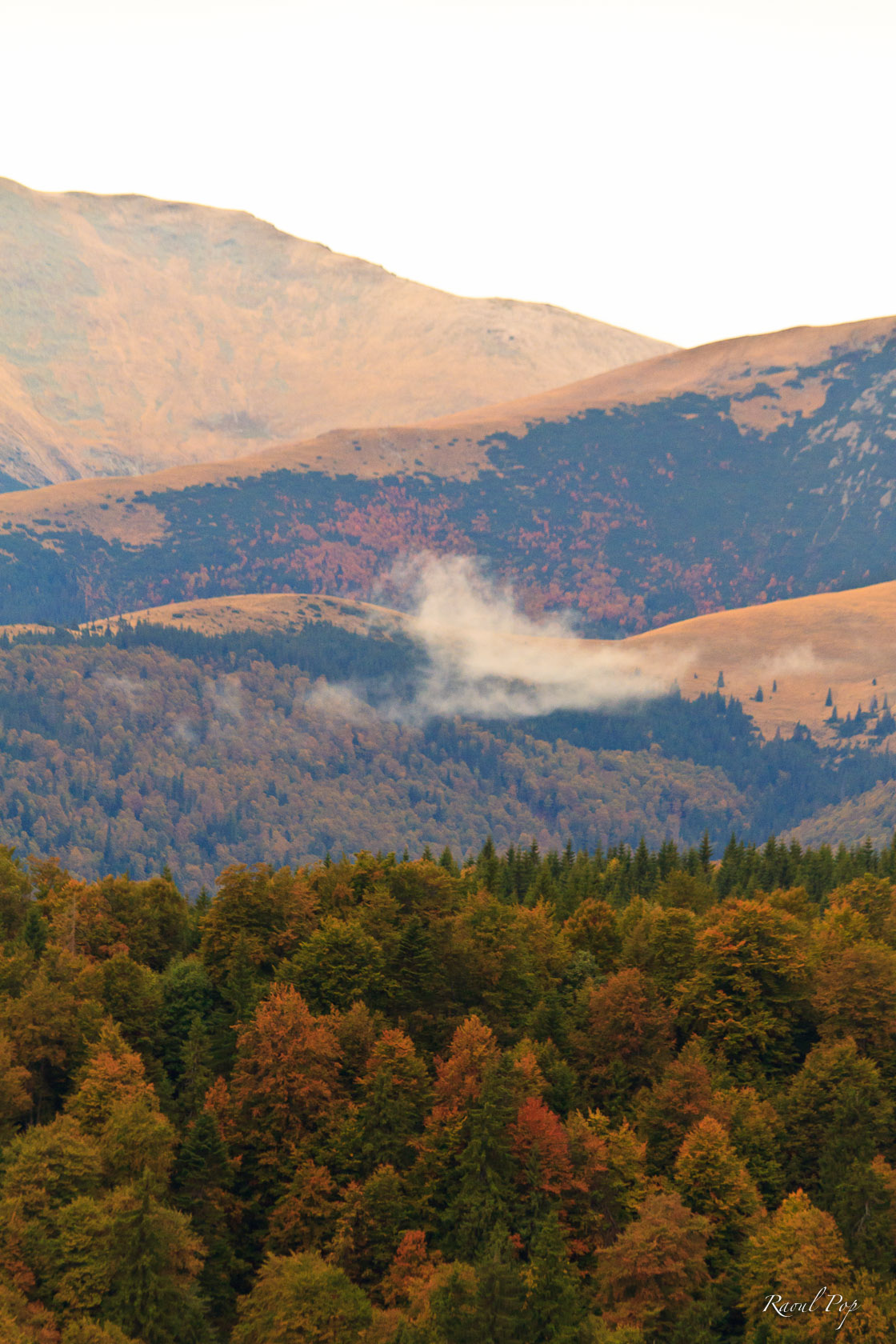
I’ll leave you with a few more photos from the trip.

Standard
Places

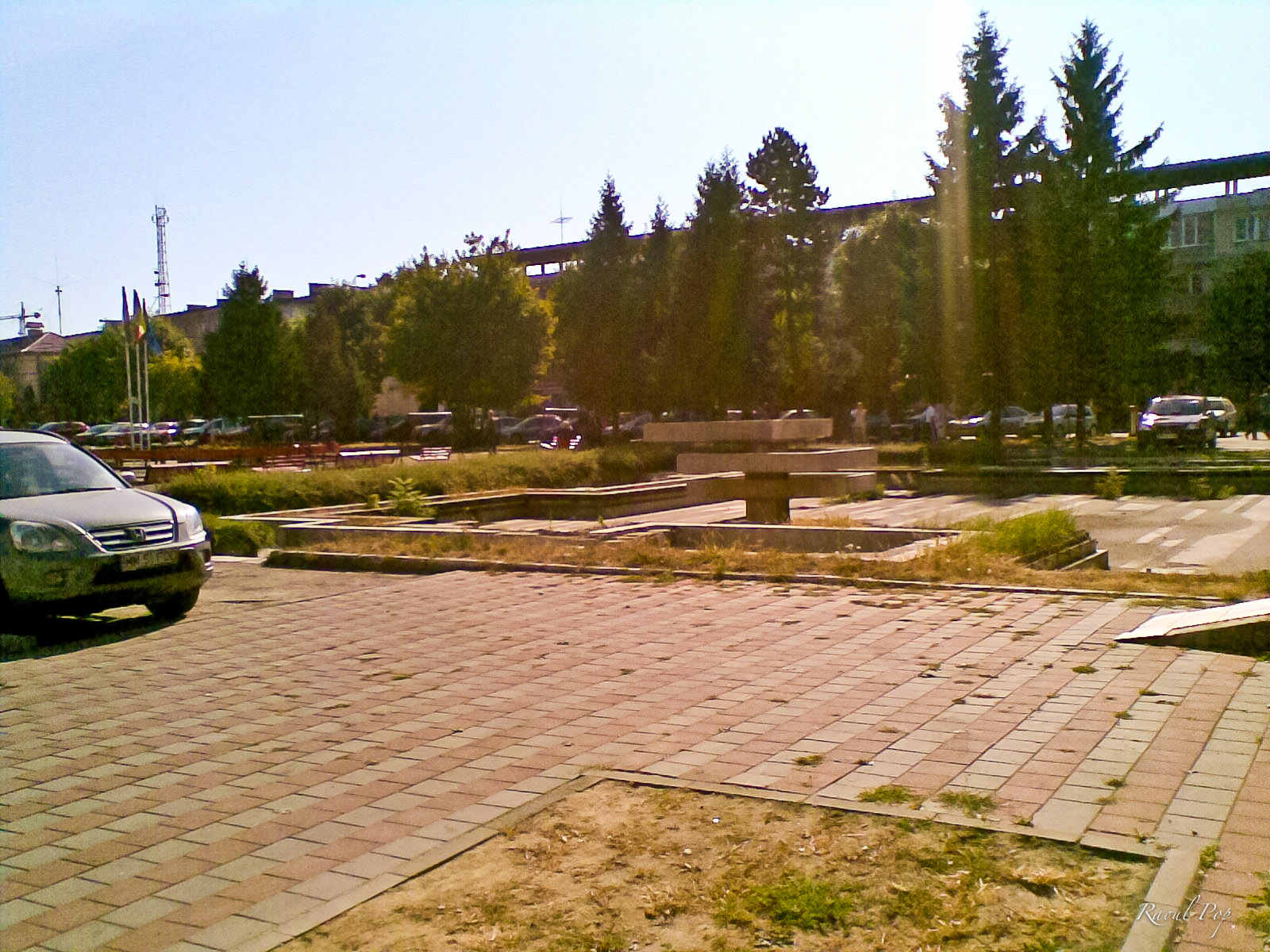
Downtown Baia Mare, still stuck in the 80s

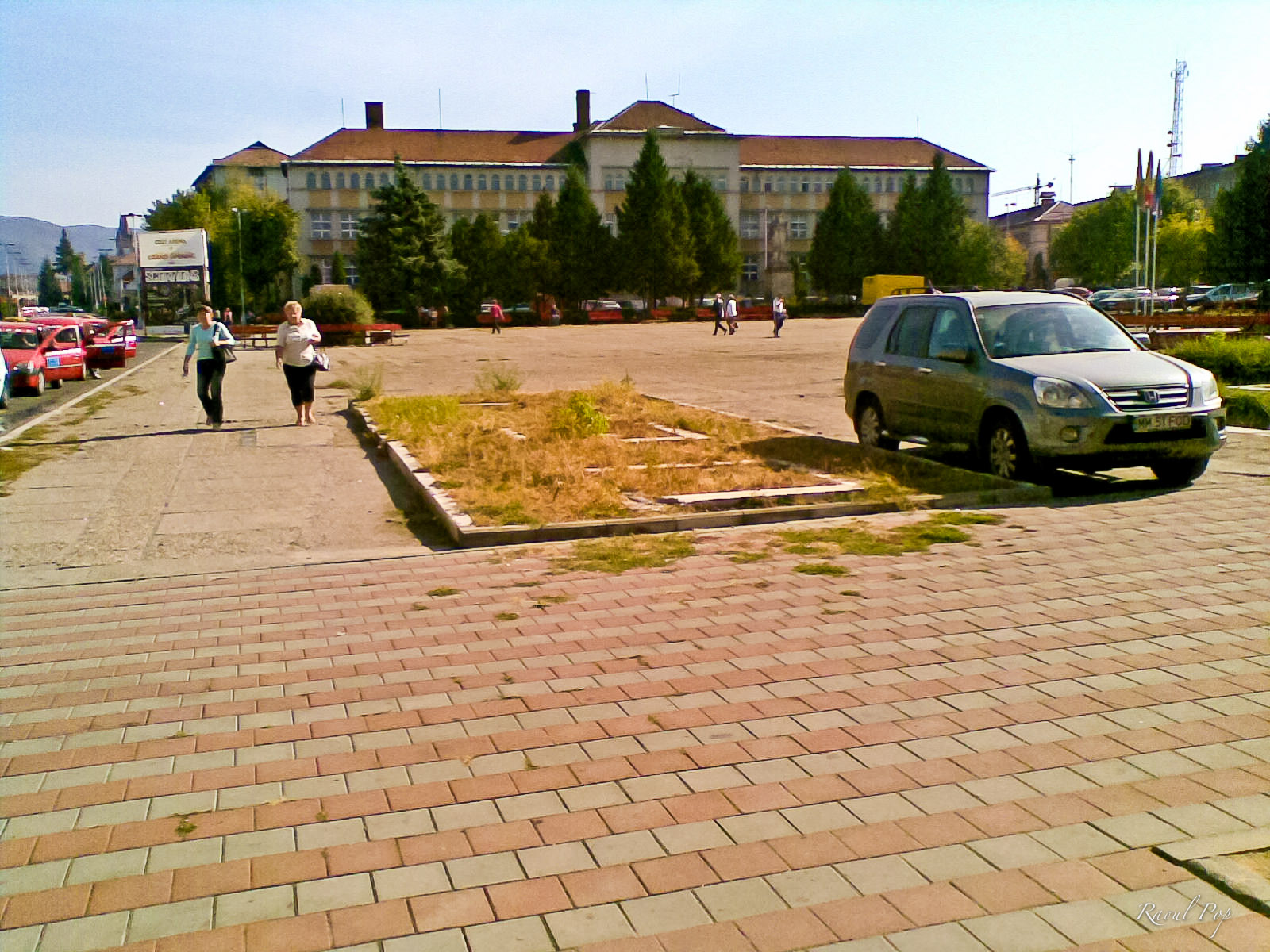
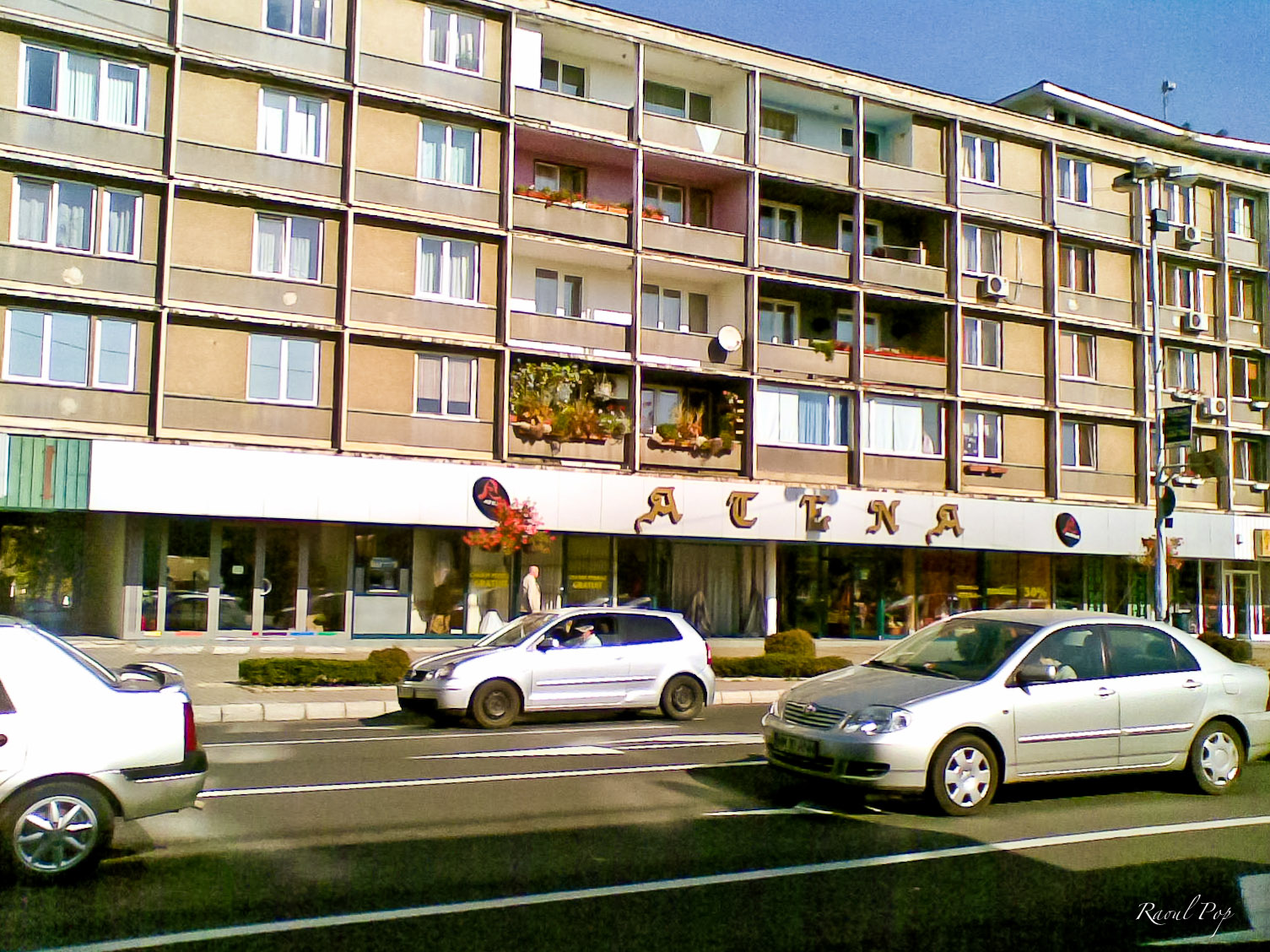
We walked through downtown Baia Mare recently, where I took these photos. As I wrote before, I have a few gripes with the lack of urban planning and renovation going on in that area.

Look at the photos, try to imagine the foreign-made cars aren’t there, and you’ll have to admit to yourself that the sights you’re seeing are from a city still stuck under a communist regime. I felt like I was back under Ceausescu in the 80s when I walked there.

Standard
Places

Old Town, Annapolis

About three years ago, we visited Annapolis, MD and walked through Old Town. While it was a bit hot during the early afternoon hours, it cooled off nicely toward the evening and we had a wonderful time walking about.

I love it when towns make the effort to preserve their historic sections. Not only is it good for business (because of the tourists) but it helps to ground the townspeople, because they’re always reminded of their heritage.

Standard
Places

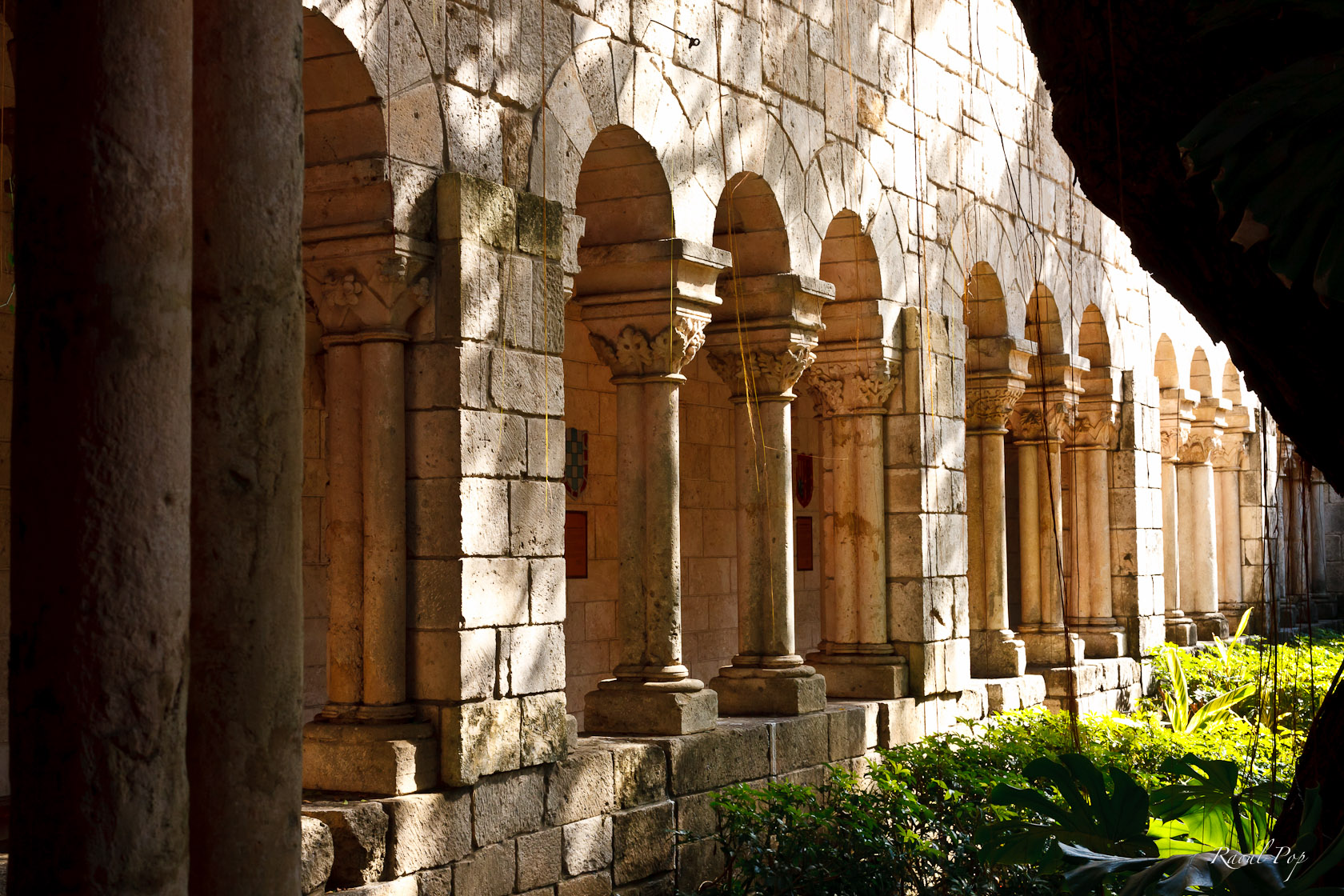
The Spanish Monastery in Miami, FL

The Monastery of St. Bernard de Clairvaux (also known as The Spanish Monastery or The Cloisters of The Ancient Spanish Monastery) was built in Sacramenia, in the Province of Segovia, Spain, during the period from 1133 to 1144. It is now found at 16711 West Dixie Highway, in North Miami Beach, FL.

This slideshow requires JavaScript.

If you’re in South Florida, please make time to visit this monastery. It’s like stepping back in time. It’s easy to miss it as you drive by. It’s hidden by large trees, it’s in the middle of a large garden, and if you don’t know where to look, you won’t see it.

Upon the canonization of the famous Cistercian Monk, Bernard of Clairvaux, a leading influence in the Church during that period, the Monastery was renamed in is honor. Cistercian monks occupied the monastery for nearly 700 years. From then on, the history of this monastery got very interesting and very complicated.

In the mid-1830s, the Cloisters were seized, sold, and converted into a granary and stable due to a social revolution in that area. In 1925 William Randolph Hearst purchased the Cloisters and the Monastery’s out-buildings. The structures were dismantled stone by stone, bound with protective hay, packed in some 11,000 wooden crates, numbered for identification and shipped to the United States.

About that time, hoof and mouth disease had broken out in Segovia, and the U.S. Department of Agriculture, fearing possible contagion, quarantined the shipment upon its arrival, broke open the crates and burned the hay, a possible carrier of the disease. Unfortunately, the workmen failed to replace the stones in the same numbered boxes before moving them to a warehouse. Soon after the shipment arrived, Hearst’s financial problems forced most of his collection to be sold at auction.

The stones remained in a warehouse in Brooklyn, New York, for 26 years. One year after Hearst’s death in 1952, they were purchased by Messrs. W. Edgemon and R. Moss for use as a tourist attraction. It took 19 months and almost $1.5 million dollars to put the Monastery back together. Some of the unmatched stones still remain in the back lot; others were used in the construction of the present Church’s Parish Hall.

St. Bernard’s Church, as we know it today, started out not on these grounds but at a savings and loan building on N.E. 167th Street as “The Mission of St. John the Divine,” and services were held at that location for approximately one year under the leadership of Rev. Harold L. Batchelor (1963-64). The Mission of St. John the Divine became the Church of St. Bernard de Clairvaux, named in honor of the great Saint who had been a leading influence among the Cistercians 847 years ago, and whose feast day is commemorated on August 20.

In 1964, Bishop Henry Louttit purchased the property for the Diocese of South Florida, later to become the Diocese of Central, Southeast and Southwest Florida. Shortly thereafter, when the three dioceses ran into financial difficulties, the Monastery was put up for sale and the parishioners of St. Bernard feared a second move. During the Bishopric of the Rt. Rev. James Duncan, Col. Robert Pentland, Jr., a multimillionaire banker, philanthropist and benefactor of many Episcopal churches, purchased the Cloisters and presented them to the parish of St. Bernard de Clairvaux, thus ensuring the monastery’s survival and its permanent location.

The text of this post has been re-published (with small modifications) from the original found on the monastery’s official website. The story is so interesting I couldn’t cut it any shorter, so I hope the folks from the monastery don’t mind it. The photos are entirely original. I took them, edited them and published them. 

Standard