There’s a dessert in Romania called “clatite”. It’s similar to the French crepes, but the dough is prepared somewhat differently, and a clatita is also smaller and usually folded differently than a crepe. Some translate it into English as pancake, but that’s not it either. They’re definitely not as thick, the dough is different, and they’re not left flat, but they’re folded or rolled up. What can I say — they’re a food unto their own. This is how they’re traditionally prepared.
I’ve recently had some of the best clatite ever, at a little restaurant which I believe is called “La Patronul Meu”, in the city of Mangalia, which is a seaside resort in Romania, in the province of Dobrogea. I didn’t jot down the name, forgot to take a photo of the restaurant’s exterior, and didn’t take the receipt with us when we left, but I’m fairly sure the word “Patron” was in the restaurant’s name. It was next to a Pirate-themed restaurant, near the docks.
These clatite were prepared with peach jam and topped with raspberry jam. The dough was just right: not too crisp, not too soft, and they were exquisitely delicious. If you’re ever in Mangalia, stop by this restaurant and order some; you won’t regret it. Here’s what they looked like.
And by all means, order some of the other food on the menu, too. Mmm, mmm, good, and the service was friendly and prompt.
If you want to make some yourself, check out theserecipes.
Late last night, I kept coughing due to a passing cold. After taking several doses of other cough syrups during the evening, which had obviously not done their job, I decided to take some Tussionex — my ultimate weapon against coughing. I try to use it only when I absolutely need it, because it’s fairly expensive and it’s also hard to get (it can only be prescribed by a doctor). But after three days of coughing through the night and keeping my wife and myself awake, I figured the time had come. I took a teaspoon, waited a half hour, and nothing happened. I took another, waited another half hour, and still the coughing continued. I began to worry: had the syrup expired? Was my coughing so bad that I needed to take more? I took another teaspoon. Bad idea!
Soon after that, I started to feel the effects. Tussionex contains a codeine derivative, which means that, along with stopping my cough, it usually gives me a warm and fuzzy feeling that wears off in a couple of hours or so. This time, because I’d unwittingly (and stupidly) overdosed, the effect was very pronounced, and it was mixed with a sensation of nausea. I found it hard to sit up or stand up and went to bed, where I fell asleep immediately.
“Anxiety, constipation, decreased mental and physical performance, difficulty breathing, difficulty urinating, dizziness, drowsiness, dry throat, emotional dependence, exaggerated feeling of depression, extreme calm (sedation), exaggerated sense of well-being, fear, itching, mental clouding, mood changes, nausea, rash, restlessness, sluggishness, tightness in chest, vomiting.”
I guess I should be thankful the only side effect I’d experienced before this was the “exaggerated sense of well-being”, along with a slight headache which occurred a few hours after taking the medication. Things were going to be very different now.
I woke up early in the morning, around 6 am, feeling rested and alert. I figured the effects of the overdose had worn off. They hadn’t. I got up to go about my business, and shortly after that, a general, overpowering feeling of nausea swept over me. I could not stand up. I couldn’t keep my balance at all. I felt sick, wasn’t seeing straight, I couldn’t control my movements and had trouble putting words together. It didn’t take long after that for me to experience a fuller spectrum of the side effects: decreased mental and physical performance, dizziness, drowsiness, mental clouding, nausea and finally, vomiting. That’s right, I did it again… I vomited more often in these past few months than in the past several years, and I don’t like it.
I’m still in bed as I write this. The moment I stand or sit upright, the nausea comes back, my face turns white, etc. I’ll be in bed for a while, hopefully not the whole day. All this fun gave me a chance to think about the situation. It’s clear that this wouldn’t have occurred if I hadn’t overdosed. The recommended dosage is one teaspoon every 12 hours. The PDR says: “The usual dose is 1 teaspoonful (5 milliliters) every 12 hours. Do not take more than 2 teaspoonfuls in 24 hours.”
I took three teaspoons within 1 ½ hours. That was incredibly stupid and irresponsible of me, and truthfully, I should be thankful I’m still alive. Here’s what one should expect from a Tussionex overdose:
“Blue skin color due to lack of oxygen, cardiac arrest, cold and clammy skin, decreased or difficult breathing, extreme sleepiness leading to stupor or coma, low blood pressure, muscle flabbiness, slow heartbeat, temporary cessation of breathing”
There it is, in black and white: cardiac arrest, stupor or coma. Instead of getting up from my bed last night and doing a quick search for this info last night, I overdosed like a dummy. My wife could have woken up next to my corpse. Thank God that didn’t happen!
I found out this morning that the FDA, since 2008, is also cautioning healthcare providers, pharmacists and patients, to guard against Tussionex overdose. After my own accidental brush with death, I agree with them.
Recommended Site: Many have become so addicted to certain cough medicine brands thatprescription drug abuse treatment has become necessary for them.
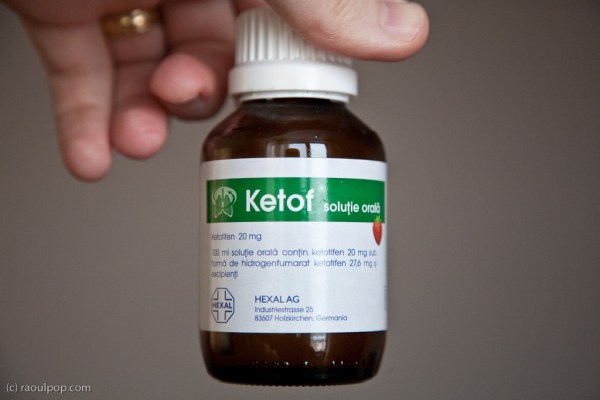
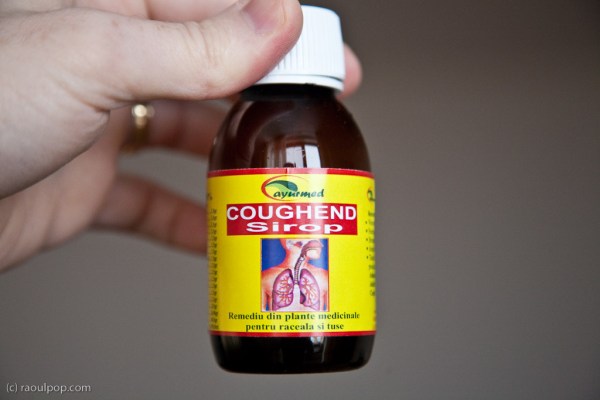
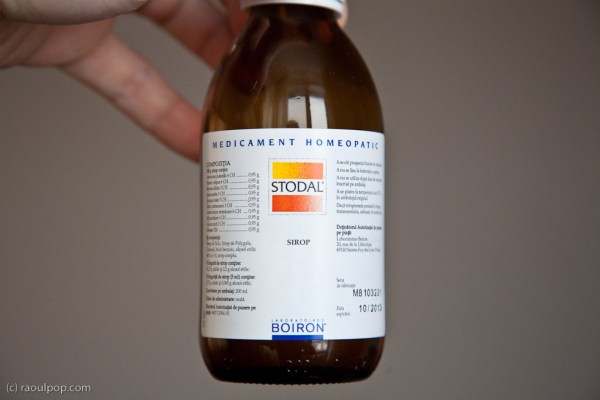
Still, I’m not sorry I took Tussionex. I’m definitely sorry I overdosed though. I’ve used many cough syrups over the years, and none stops my coughing like Tussionex. Here’s a sample of the stuff I tried in only the past few months:
Ketof is the only other cough syrup that helps me marginally. The rest are garbage, particularly that Coughend Sirop. I also used a syrup called Prospan (not pictured here) in the last few days, which I found did a good job at clearing my throat. It tastes great, but still, it doesn’t stop my coughing. And of course I tried plenty of American cough syrups over the years, none of which helped.
Don’t think I cough all the time, either. But I’m stubborn like a mule, and will often go outside when it’s cold and I’m not dressed adequately. So naturally, I catch colds, and when I do, I cough a lot.
This experience also got me thinking about drugs and their effects on the body. Our bodies, you see, are endowed with the capability to heal themselves. That capability works better or worse in people, depending on how well they take care of themselves (diet, exercise, regular sleep, etc.) Drugs will usually only mask the symptoms of a disease, not cure it. Even though I’m not coughing now, that doesn’t mean Tussionex cured my cough and sore throat. It only stopped my coughing. Here’s what the PDR says about it:
“Tussionex Extended-Release Suspension is a cough-suppressant/antihistamine combination used to relieve coughs and the upper respiratory symptoms of colds and allergies. Hydrocodone, a mild narcotic similar to codeine, is believed to work directly on the cough center. Chlorpheniramine, an antihistamine, reduces itching and swelling and dries up secretions from the eyes, nose, and throat.”
You see, it’s used to “relieve” coughs and other symptoms, not “cure” them. They’re not even sure how it works. They “believe” the codeine derivative in it works directly on the cough center. The human body’s internal chemistry is so complex that I don’t know if we’ll ever figure it out properly. Right now, we’re still just stabbing in the dark when it comes to medicating people. We give them a drug and then, oops, we realize the effect isn’t the desired one, or that it interacts with other drugs and causes undesirable side effects. The PDR says about Tussionex that its “side effects cannot be anticipated”. And there’s also a section dedicated to its possible food and drug interactions. Here’s what that says:
“Tussionex may increase the effects of alcohol. Do not drink alcohol while taking this medication. If Tussionex is taken with certain other drugs, the effects of either could be increased, decreased, or altered. It is especially important to check with your doctor before combining Tussionex with the following:
Antispasmodic medications such as Bentyl and Cogentin
Major tranquilizers such as Thorazine and Compazine
MAO inhibitor drugs (antidepressant drugs such as Nardil and Parnate)
Medications for anxiety such as Xanax and Valium
Medications for depression such as Elavil and Prozac
Other antihistamines such as Benadryl
Other narcotics such as Percocet and Demerol”
You see, this is what medicine has become these days: the chemistry of drug interactions. Every physician that works in a field where they prescribe lots of medications has to know drug interactions perfectly, or they will put their patients’ lives at risk. Sadly, most do not know all they need to know, because the interactions are so complex.
My dad is a psychiatrist. He made it a point to know all the psychiatric drug interactions and those of common drugs administered by other doctors, such as primary care providers or internal medicine specialists. He studies them all the time and keeps up to date with all the latest medications. He meets plenty of other doctors who aren’t as well prepared as he is, and he’s told me often how shocked he is to find these people are prescribing drugs that readily conflict with others, creating undesired and potentially lethal side effects. The sad part is that when he tries to let them know about it, they usually brush him off. And then we wonder why so many patients do poorly in hospitals… Isn’t it to be expected when most doctors are ill-prepared to prescribe medications for their patients?
I think the takeaway lesson from all this is that prescription drugs can be very dangerous. They are not to be treated lightly, like I treated Tussionex — even though its nature is supposedly benign — it is, after all, “only” a cough syrup, right? A drug’s side effects and its interactions with other drugs need to be known not only by the doctor but also by the patient, so that each of us is aware of what we are putting inside our bodies. The consequences — if we don’t do this — can be fatal at times. I may not realize it fully right now, but I might not have been around today, and it was all because I self-medicated carelessly.
Updated 1/11/10: I’ve gotten a number of rude comments since I wrote this article, none of which were published, where dorm room heroes and couch potato experts called me all sorts of names, all because the dosage that I took was too low by their standards. They’d have been satisfied if I drank a whole bottle of Tussionex and woken up a month later out of a coma, or if I hadn’t woken up at all. What can I say, other than your mileage may vary. People react differently to different dosages. I suppose if my body had been addled by years of alcohol and prescription drug abuse, my tolerance level for the drug would have been higher, and three teaspoons wouldn’t have done much for me. However, when you lead a clean life and are in full possession of your senses, you tend to be much more sensitive to these situations. So please stop criticizing the article. I wrote it not to draw attention to myself, but to put up a warning sign about prescription drug abuse.
To all those people who are worried about swine flu — you should thank the pig farming industry for it, and the rotten politicians who keep it going the way it is, even though it’s one of the worst polluters in the US. It’s no wonder new viruses are getting cooked up in those industrial pig farms, given the conditions in which they keep the pigs.
And perhaps you should also thank your local landscaping companies, who, about this time each year, dump tons of pig offal around your communities at outrageously high prices. Along with the smell, you’re also getting a dose of swine flu, trichinella and other intestinal parasite eggs, and who knows what other poisons, cooked up nicely in fermented pig manure.
Enjoy all this, and keep in mind you’re the one financing the whole shebang when you buy pig meat and you hire landscaping companies based not on how sustainable and non-polluting their methods are, but on how tall they can make your pansies and grass grow…
❗ Updated 5/3/09: Wired Science confirms my hunch that the pig farming industry is to blame for this virus in an article entitled “Swine Flu Ancestor Born on US Factory Farms“.
I can finally report on the battery life of the Energizer Advanced Lithium Batteries given to me in late January. I wrote about them on February 4th, and put them in my Canon EOS 5D’s battery grip a week or so after that. They worked until this past Saturday evening, April 25th. When I did the tally, I saw that I’d taken 1,872 photos with them. That’s not a typo. The vertical grip stayed on my 5D all the time, from the time I put the batteries inside it to the time I took them out, and that’s how many photos I got with the batteries.
While that battery life is very impressive, given the 5D’s 500-600 shot battery life with one of its single rechargeable batteries, or 1,000-1,200 shots or so with two rechargeable batteries in its vertical grip, it doesn’t tell the whole story. There are a few things I need to clear up first:
During these past few months, I’ve been shooting mostly landscapes. That means I didn’t take lots of photos in one sitting, which would have drained the batteries faster. I would expect that if I shot events, the battery life would have been significantly less.
For some reason, and I’m still not sure whether my vertical grip is to blame or the batteries, the battery life sensor kept giving a low battery notice the whole time the batteries stayed on the camera, from the time I put them in to the time I took them out. Sometimes the battery life sensor would even flash the really low battery signal, indicating the batteries only had a few shots left in them. Regardless, they kept on working until Saturday evening. Not sure whether this was because the camera expected 1.5V out of each battery, not 1.2V, or whether my battery grip, which had been sitting in a box, unused, for several months before this, is at fault, but that was my experience.
Related to the two bullet points above, the batteries gave out while I was shooting an event. It’s possible that they would have lasted even longer if they hadn’t been put through prolonged, continuous use. It’s also possible that if I stick them back in the camera, they might have enough life in them to let me squeeze off another several shots, but that would go against the conditions of my test, where I wanted to see how long they lasted without taking them out of the camera.
Whatever your mileage may be (and I encourage you to do your own testing), I’m very impressed with the battery life. While it was a hassle to keep the vertical grip on my camera the whole time (I prefer to shoot without it unless I’m doing events), it was an interesting experiment. I would recommend keeping a set of these batteries in your bag as a backup, just in case your regular batteries run out of juice. They have a long shelf life, and they won’t self-discharge like rechargeable batteries.
I also promised in my initial post that I would use them in my 580EX II speedlite. I’m keeping that promise. I’ve been using them in it since February, and they’re still doing fine. Again, I haven’t used the speedlite very much, because I’ve been shooting mostly nature stuff, but I did shoot a wedding recently and it worked flawlessly the whole time. I’ll let you know when those run out and I’ll tally up their shot life, too.






 Raoul Pop