Places

Walking along the Constanta wharf

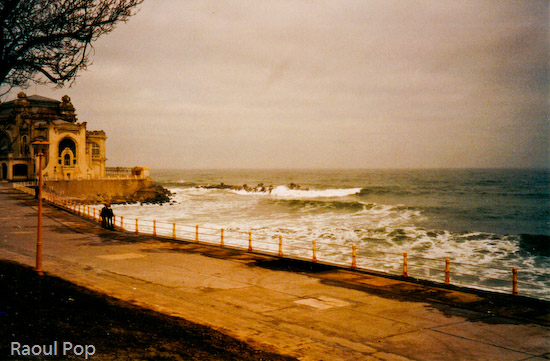
Constanta, located on the Black Sea, is one of the main cities of Romania. It’s a busy port, and a city with a lot of history. I guess its equivalent here in the States would be Miami. I visited Constanta with Ligia in April of 2003 and took some photos on the wharf, which is a pretty famous spot. It, and the Casino built on it, have been featured in several famous Romanian movies.

The building that now houses the Casino was planned and drawn by a Romanian architect, and built in 1909 in the Art Nouveau style. The architect’s wife drowned in the Black Sea, and he wanted to pay homage to her memory through the majestic building.
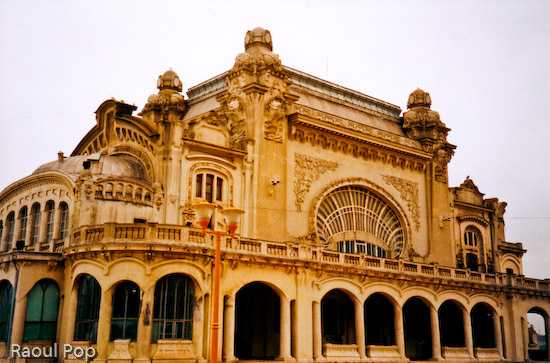
Casino Palace

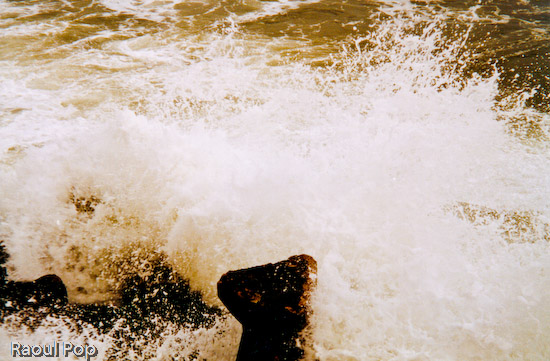
I’d walked along the same wharf as a child, with my parents, many years ago. Revisiting the spot was bitter-sweet, and the cold, damp spring day didn’t make it any sweeter. I’d watched the same concrete embankment as a child, and was fascinated by the fury of the waves breaking against it. That same embankment was still standing in 2003 — the very same stones — although they were now showing their age.
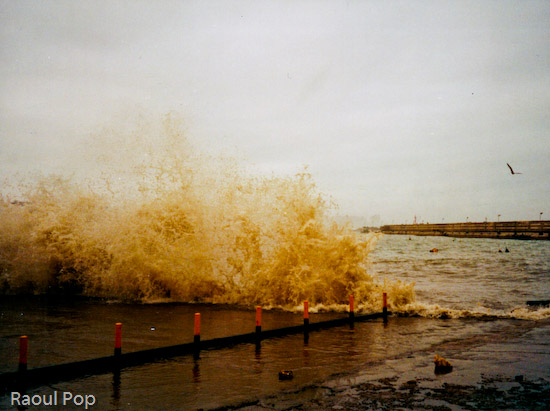
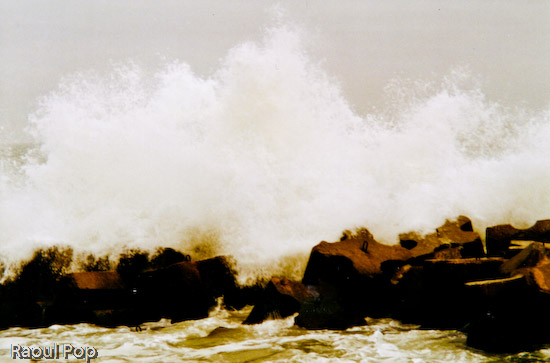
Waves splashing against the embankment

Embankment, embattled

A furious endeavor

Constanta wharf

Before reaching the wharf, we walked along the main street that leads from downtown to the beach, and visited the ruins of an old Roman building which was probably a public bath house at some point. On the hill, homes of the old aristocracy stood as a reminder of Romania’s monarchic past. I for one miss the monarchy. With a king, you know who’s in charge and who’s to blame. Politicians blame each other, blame circumstances, lie and steal — it’s a circus, and no one is ever held accountable.
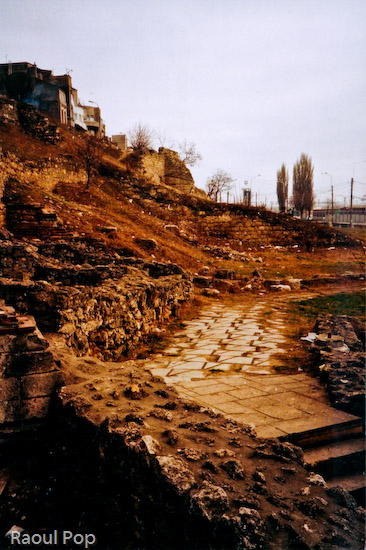
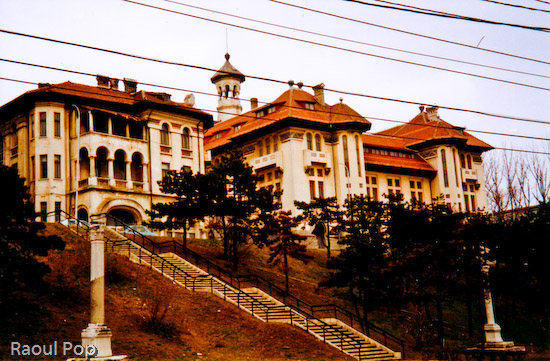
Ruins of a Roman building

Old aristocratic homes

As we walked off the beach and back toward downtown, we saw this odd building, a mix of modern and old architectural styles.
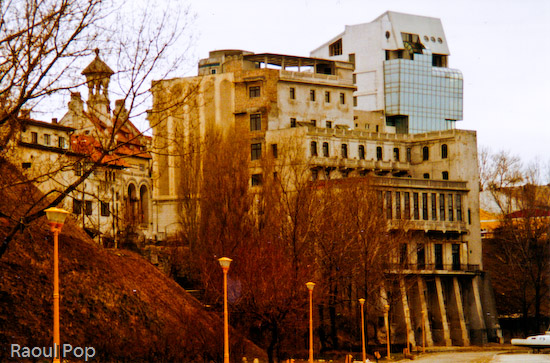
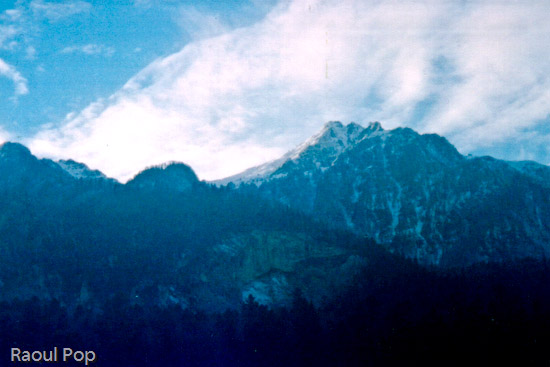
City buildings

Standard
Places

Passing through the Carpathian mountains

I dug up some old photos of mine from November of 2002, taken from the train as it passed through the Carpathian mountains in Romania. They’re posted below. I apologize for their graininess, but I took them with an old APS camera and scanned them years after they were developed. But they get the point across anyway, which is that those mountains are gorgeous.

Carpathian Mountains

Carpathian Mountains

Carpathian Mountains

Standard
Places

A second trip to the National Seminary at Forest Glen

A little more than a week ago, I wrote about the National Seminary at Forest Glen, here in the DC suburbs, and also posted some photos I took there this summer. I promised I’d post the rest of the photos, which I took in the summer of 2005, and I held true to that promise.

I can safely say I have no more photos to post from the site, since it’s being redeveloped as I write this, and will soon look different. The old buildings will stand no more, but will be replaced by their modern counterparts, which will supposedly look and feel the same. We’ll see how that turns out… So, you may call these photos “limited edition”. I can’t get you any more. Enjoy them, and visit the site sometime next year if you’re able. You may or may not recognize the spots in the photos, depending on how extensive the redevelopment will be.

To help you understand the layout of the site, I’ve posted a map of the grounds below. I also invite you to visit the National Seminary website (which may or may not be up for long — that’s where I got the map). The site has photos of bygone times, showing you how the grounds and buildings looked when they were actually in use. It’s very interesting stuff, and my advice is to spend one of these chilly autumn evenings curled up with your laptop on the sofa, reading through it.

Map of the National Seminary at Forest Glen

Standard
Places

The National Seminary at Forest Glen

Just posted photos taken this summer at the National Seminary at Forest Glen, a historic site located in the suburbs of DC.

The history of the place is a pretty interesting read. After being bought in the 1730’s as a much larger property, parts of it were sold off, and finally, what is now known as National Seminary was sold to John and Vesta Cassedy in 1894. They set out to transform it into a girls’ finishing school. In 1916, the school was sold to Dr. James E. Ament after Vesta Cassedy died. John Cassedy then married a recent graduate of the school and lost interest in running it. In 1937, during the Great Depression, with the school’s student population foundering, it was sold to Roy Tasco Davis, who set out to transform it into National Park College, a place where academics and practical skills. He didn’t have much time to do this, because the property caught the eye of an Army general, who invoked the War Powers Act, condemned the property, annexed it to Walter Reed Hospital, and used it as a place where wounded soldiers could recover.

When the Army tired of the property, they let it go to ruin. They wanted to completely tear down the buildings, but local residents objected and managed to get the site designated as a historical landmark in the 1970s. Finally, a deal was made in 2005 to get the entire site redeveloped, the old buildings restored or rebuilt, and luxury condominiums built there. From what I understand, a development company bought the property, under the solemn promise to stick to the historical character and look of the site as they rebuild there. The site is now under construction, and many of the old buildings, too dilapidated to stand up, will be torn down and reconstructed.

Ligia and I visited it this summer (2006) and last summer (2005), and photographed the various buildings. It was also a great place to eat raspberries and mulberries. I still need to post the photos taken last summer, but I’ll do it soon.

(Added 10/19/06: here they are!)

Standard
Places

White's Ferry and Edwards Ferry

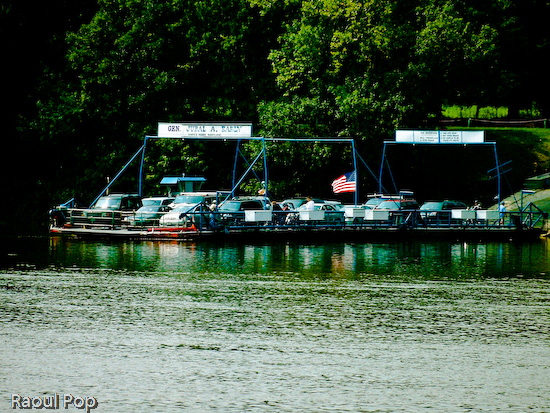
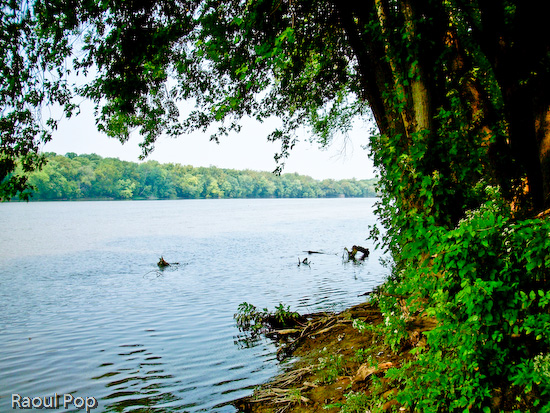
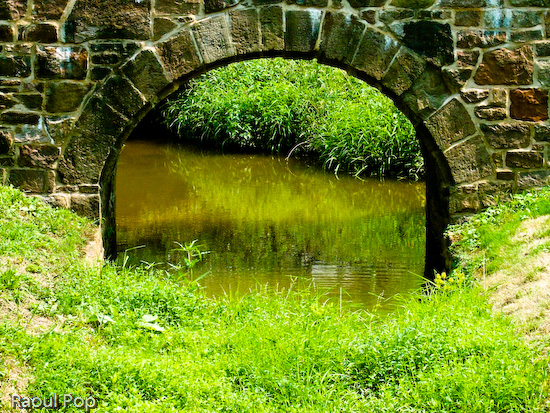
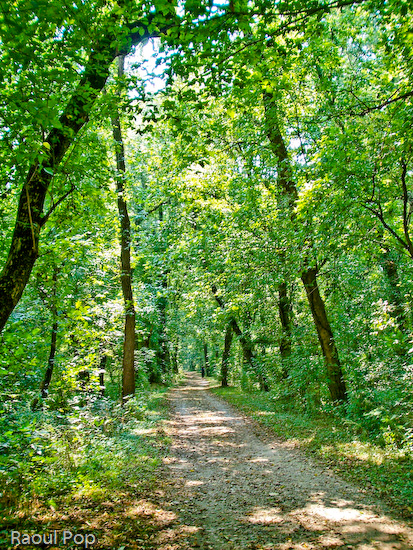
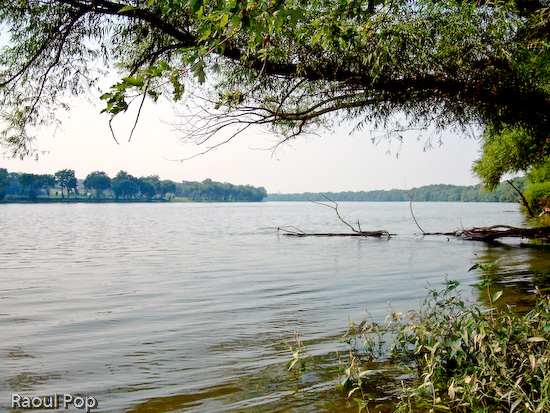
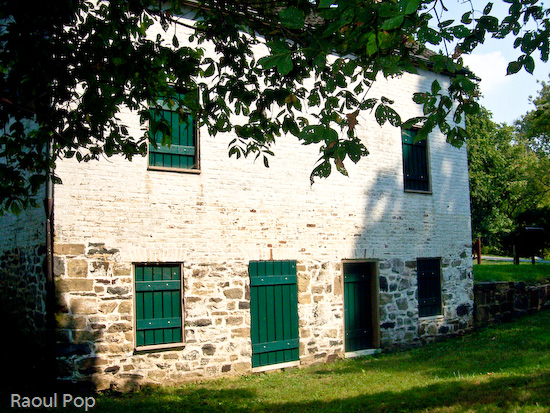
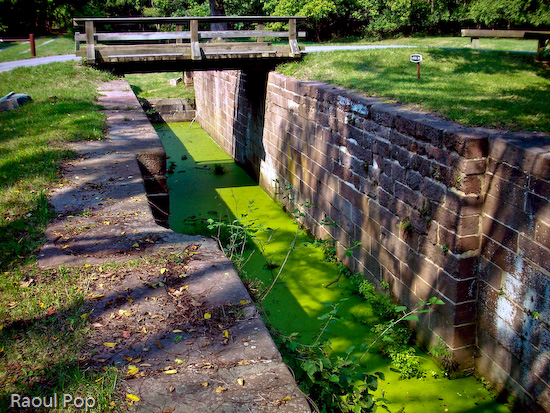
A few weeks ago, Ligia and I visited White’s Ferry and Edwards Ferry, both on the Potomac River here in Maryland. We’d been to White’s Ferry before and knew what to expect, but hadn’t yet been to Edwards Ferry, which is hidden away and harder to get to. Both are very close to the C&O (Chesapeake & Ohio) canal, but while White’s Ferry only has a decrepit, rusty bridge as a reminder of the Canal (no water, mind you), Edwards Ferry still has the gatekepeer’s house, intact, a bit of water, and part of the lockgate. It’s also a more intimate, historically preserved location than White’s Ferry.

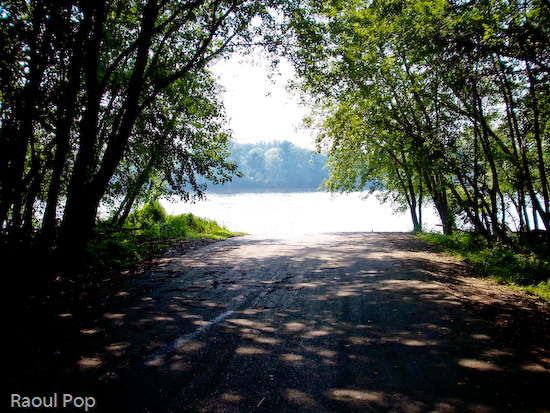
Just in case you’re wondering, Edwards Ferry has no ferry anymore (White’s Ferry does), but it does have a public launch ramp for boats, which is still actively used. We hiked around both locations, and also along the C&O Canal tow path, and took photos.
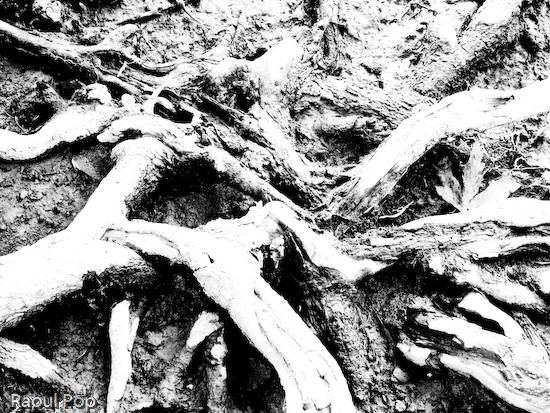
Canoes for rent at White’s Ferry

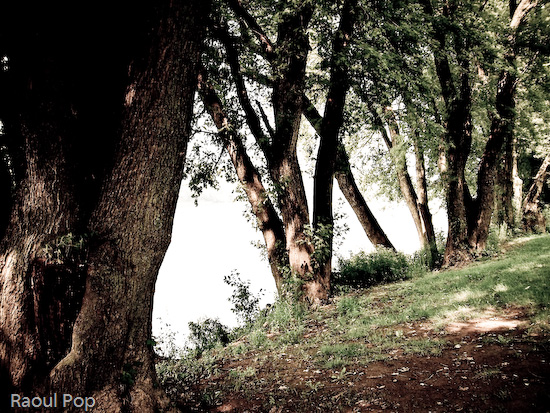
Glimpse the Potomac

White’s Ferry in action

Potomac River at White’s Ferry

Established

Shapes in the mud

Arch

C&O Canal Towpath

Trees have faces too

Historic White’s Ferry

Meadow at White’s Ferry

Launch ramp at Edwards Ferry

At Edwards Ferry launch point

Gatekeeper’s House at Lock 25

Lock 25 on the C&O Canal

Standard