Thoughts

15 things about caffeine

I’m partial to a well-made espresso. I don’t drink them often, certainly not daily, because I’m aware of the caffeine’s effects on my body. The infographic below tells you about those effects, which are certainly worth knowing.

  • Caffeine occurs naturally in 60 different plants, not just coffee.
  • Caffeine works by increasing your dopamine levels, which makes you happy, and blocking adenosine receptors, which stops you from getting drowsy. Sadly, I can’t depend on it to do that to me when I need it. I find that when I need to stay awake, I’ll have a hard time doing so no matter how much coffee I drink, and when I need to sleep, even if I’ve had coffee at two in the afternoon and it’s now midnight, I still can’t fall asleep.
  • Caffeine is shown to temporarily increase one’s ability to learn, by increasing comprehension, memory, reflexes and clarity of thought.
  • Caffeine also improves endurance in athletes, which is why the Olympic Committee banned it in competitions.
  • Caffeine causes physical dependence. Withdrawal symptoms begin within 12-24 hours and can last from 2 to 9 days. Symptoms include headaches, fatigue, depression and irritability.

15 Things Your Should Know about Caffeine

Standard
Thoughts

15 things about marijuana

I’m one of a growing number of people who think marijuana ought to be legalized. I don’t use it, but I just don’t think a substance less dangerous than coffee and alcohol ought to be illegal.

See the infographic below for some facts about marijuana. Here are a few:

  • It’s nearly impossible to overdose on pot. You’d have to smoke more than 800 joints, and even then, you’d die from carbon monoxide poisoning, not marijuana poisoning.
  • The American colonies grew the hemp plant to make clothing, sails and rope. Thomas Jefferson drafted the Declaration of Independence on hemp paper. Through the 1600-1800s, the production of hemp was encouraged and even required by law at times.
  • Studies done in the 1940s have shown that there is no link between marijuana and violence, sex crimes, insanity or addiction.
  • Marijuana is already legal in a number of countries such as Australia, Czech Republic, Finland, Netherlands, Germany, Portugal, Argentine and Belgium.

15 Things Your Should Know about Marijuana

Standard
Reviews

Sea kelp noodles with almond and mustard seed sauce

Part of the fun of being the husband of a raw food chef is that I get to eat interesting things. For example, our lunch yesterday was this: sea kelp noodles, with a sauce made of almonds, mustard seeds and tomatoes, and with assorted sea vegetables and sliced tomatoes on the side. The taste might have been a bit exotic for some, but I assure you it was delicious, nutritious, and 100% raw, which meant that all of the original nutrients in the vegetables were left intact.
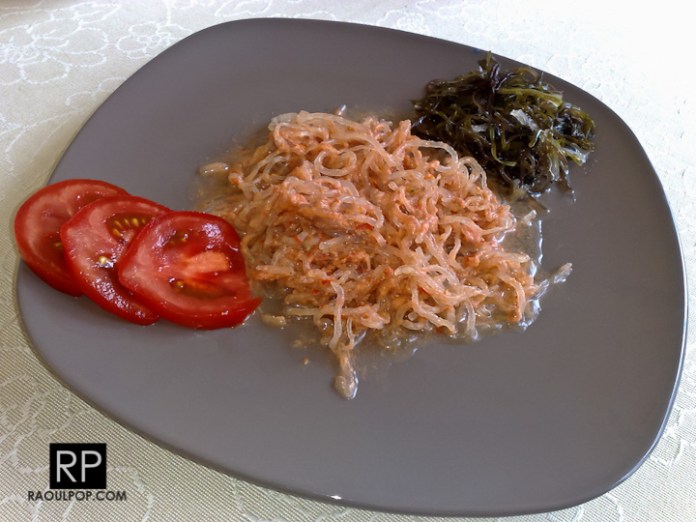
Now I feel bad that I didn’t take the plate into our studio and photograph it properly. I was hungry, so I snapped a few pics with my smartphone and dug in. Shame on me.

If you’d like to learn more about raw foods and you can read Romanian, my wife Ligia writes about the raw food diet on her website at ligiapop.com. She’s writing a book of raw food recipes (also in Romanian) and I’m photographing each of those recipes for her — much better than I photographed our lunch…

For those of you who don’t understand Romanian, don’t worry, there are a TON of resources in English on the internet. Just search for “raw food diet” or “raw food recipes” and you’ll see what I mean.

Standard
Places

Selected photos from Kenilworth Park and Aquatic Gardens

The National Park Service now runs the Kenilworth Park and Aquatic Gardens, located along the banks of the Anacostia River. The park was built by the Shaw and Fowler families, who knew the value of preserving wetlands long before the government caught onto it. In it, they preserved waterlilies and lotus flowers, and kept pristine the original tidal marsh — now the only remaining tidal marsh in Washington, DC.

The park is home to a wide variety of flora and fauna once native to the area, but since destroyed by deforestation and development. It houses hundreds of species of birds, animals, flowers and plants.

In the 1900s, the wetlands in the area had been destroyed, because they were thought to be worthless, and by the 1990s, the Anacostia River had silted in, making it quite clear that the wetlands at least played a role in preventing that. So the local government worked with various agencies to dredge the river and rebuild the wetlands, some of which abut the Kenilworth Gardens.

Walter Shaw, a Civil War veteran, purchased the original plot of land in the 1880s, started planting waterlilies, then added more species over the years. In 1912, he opened it to the public. In 1921, when he died, his daughter, Helen Shaw Fowler, took over the park. By this time, the Anacostia River had begun to silt in, so the Army Corps of Engineers was called in to dredge it, and this endangered the park. Mrs. Fowler fought to keep it open, until Congress approved the purchase of the gardens for $15,000 in 1938 in order to preserve it.

Over time, more adjacent lands were added to the park. Now its total area is over 700 acres. One such stage took place in 1992-1993, when 32 acres of mudflats were restored to tidal marshes and added to the park’s domain.

Standard
Thoughts

15 things about the tongue

A few tidbits:

  • The blue whale has the largest tongue in the animal kingdom. It’s the size of an elephant and weighs 5,400 lbs.
  • The five known tastes detected by the tongue are: bitter, sour, salty, sweet and umami.
  • Tongue cleaning with a tongue scraper is proven to help prevent heart attacks, pneumonia, premature births, diabetes, osteoporosis and infertility in men.

15 Things about the Tongue

Standard