My Watch Collection

A video guide to choosing a good watch band

This weekend, I put together a video guide that will help you decide the proper watch band for you. You may not have given a lot of thought to this topic in the past, or perhaps you’ve just lived with the band or strap that your watch came with, but I think after you watch my guide, you’ll start to think differently about watch bands — about the materials they’re made of and about the quality that you’ll want.

By average YouTube video length standards, my guide is like a novel, weighing in at around 20 minutes. I wanted it to be thorough. If you haven’t got 20 minutes to spare, here’s the abridged text version.
Watch bands are made of four different materials:

  • Leather
  • Metal
  • Rubber or silicone
  • Cloth

Leather watch bands are simple, elegant, readily compatible with all skin types, but they may wear out quickly, may tear and may smell (with time). If you get a leather watch band, make sure it’s molded round, it’s stitched with strong thread (contrasting thread adds an extra element of style) and that it’s thicker at its base (where it attaches to the watch) and thinner at its ends. This makes it strong and at the same time easy to attach to and detach from the buckle.

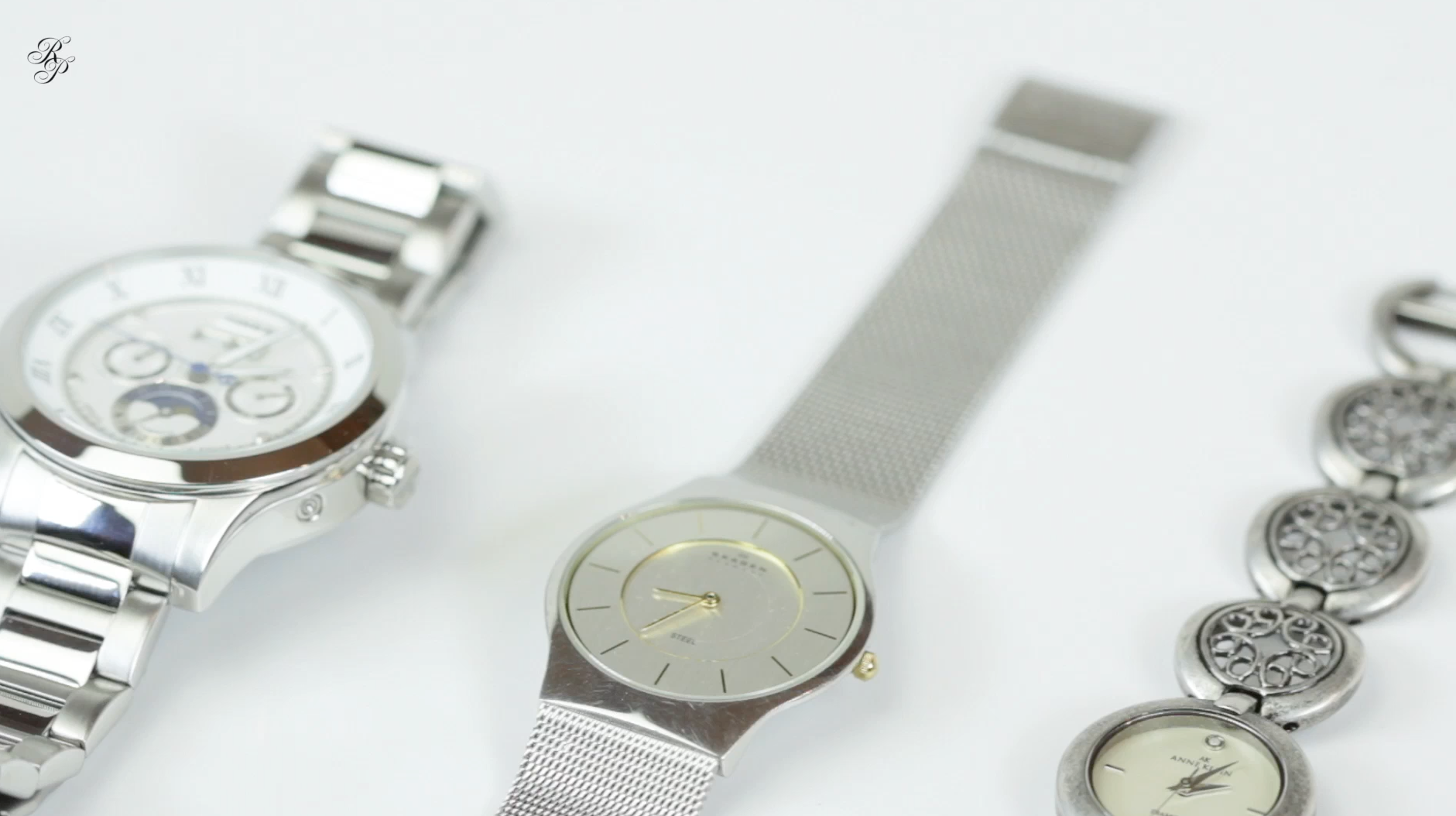
Metal watch bands are sturdy, practical, modern and they last a long time, but they may not fit properly on your wrist, may change color (oxidize), may open readily if clasp mechanism is worn or fails, and may not be compatible with all skin types (may cause rashes). If you get a metal watch band, know that mesh bands offer a better fit than link bands and link bands will need to be adjusted to your wrist at a watch shop.

Cloth watch bands are cheap, sturdy and colorful, but they may fray, discolor, smell and may not be easy to attach and detach. Go for cloth watch bands with metal (not cloth) loops and try not to wear them too much, or they’ll discolor and get grimy, and they’ll stay grimy even if you wash them.

Rubber watch bands are cheap, sturdy, great for aquatic sports and easy to wash. Newer silicone bands are colorful. But rubber and silicone bands may discolor or form a film on the surface when exposed to chlorine and salty water, may accumulate dust and grime inbetween their ridges, and let’s face it, they’re not elegant. If you get a rubber watch band, go for simple bands with fewer or no ridges and watch out for silicone watch bands, which will literally attract dust and grime. Only wear them when working out and wash them afterward as you shower, to make sure they stay clean.

Finally, there are two mechanisms for keeping the bands closed: the buckle and the clasp. The buckle is a time-proven design, works forever but is slow to open/close. The buckle will also indent the leather band where it closes and its pin may tear through the punch hole over time, requiring the purchase of a new band. The clasp is a modern, practical design which opens and closes quickly. The clasp pins and pin holders may wear out over time, causing the clasp to open suddenly and the watch to fall from the wrist. Whichever design you choose, go for something simple that is less likely to break.

I hope this has helped you!
Standard
Thoughts

In the MINI

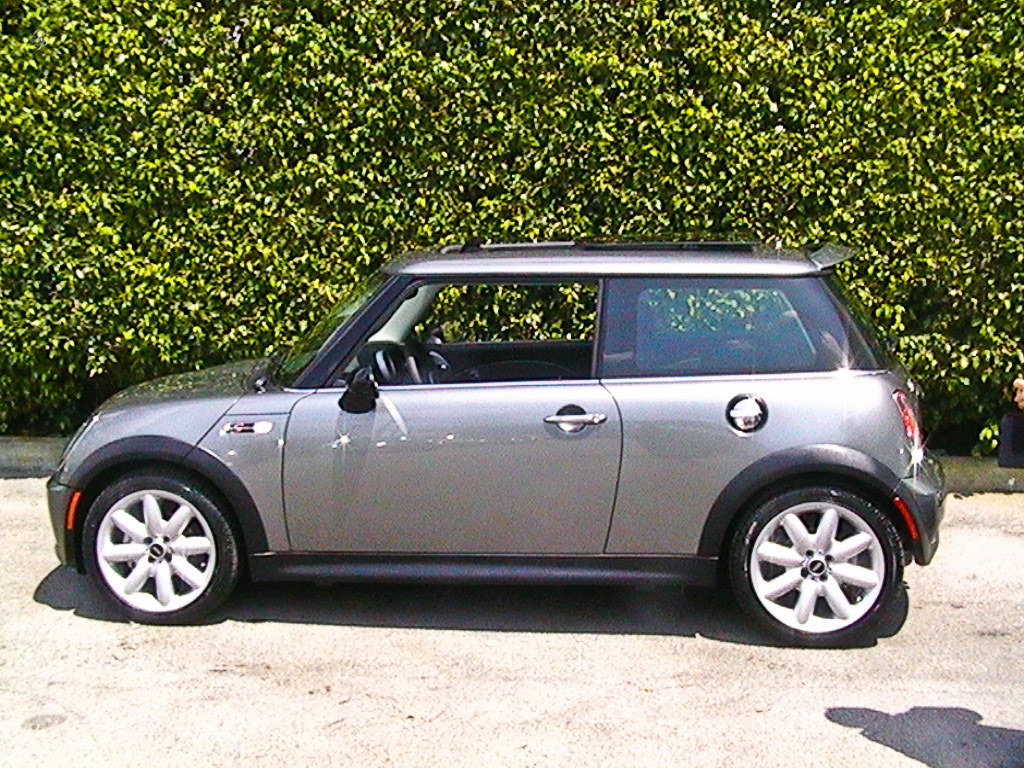
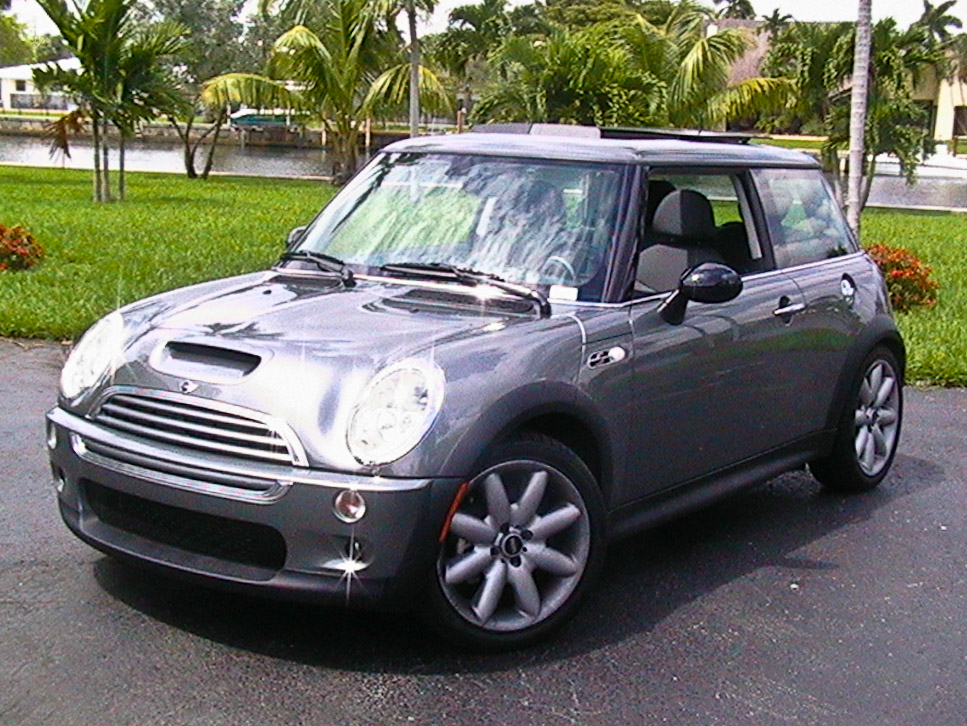
One stable element in our life through the past decade has been our 2003 MINI Cooper S. I placed the order for it in the closing months of 2002 and got it in March of 2003, exactly as I wanted it.

Although our life has undergone major changes in those years, and even though the MINI’s had more than its fair share of problems, we kept it. We even brought it over to Romania with us, and it sits in our courtyard right now, just waiting to be driven to some fun place, ready to eat up Transilvania’s twisty roads.

Our car’s seen a lot of ground during its almost 10-year existence. We plan to keep it around so it sees a lot more of this incredible blue world of ours. Even now, as we open its doors and get in, somehow the new car smell hasn’t gone away. The design (both exterior and interior) is still appealing to us. The engine still pulls like a fine horse and it still tears up the curves. And the fact that it’s been with us this long, through thick and thin, through incredible changes, has provided us with no small amount of comfort and it helped ease the transitions that took place in our lives. It’s a keeper.

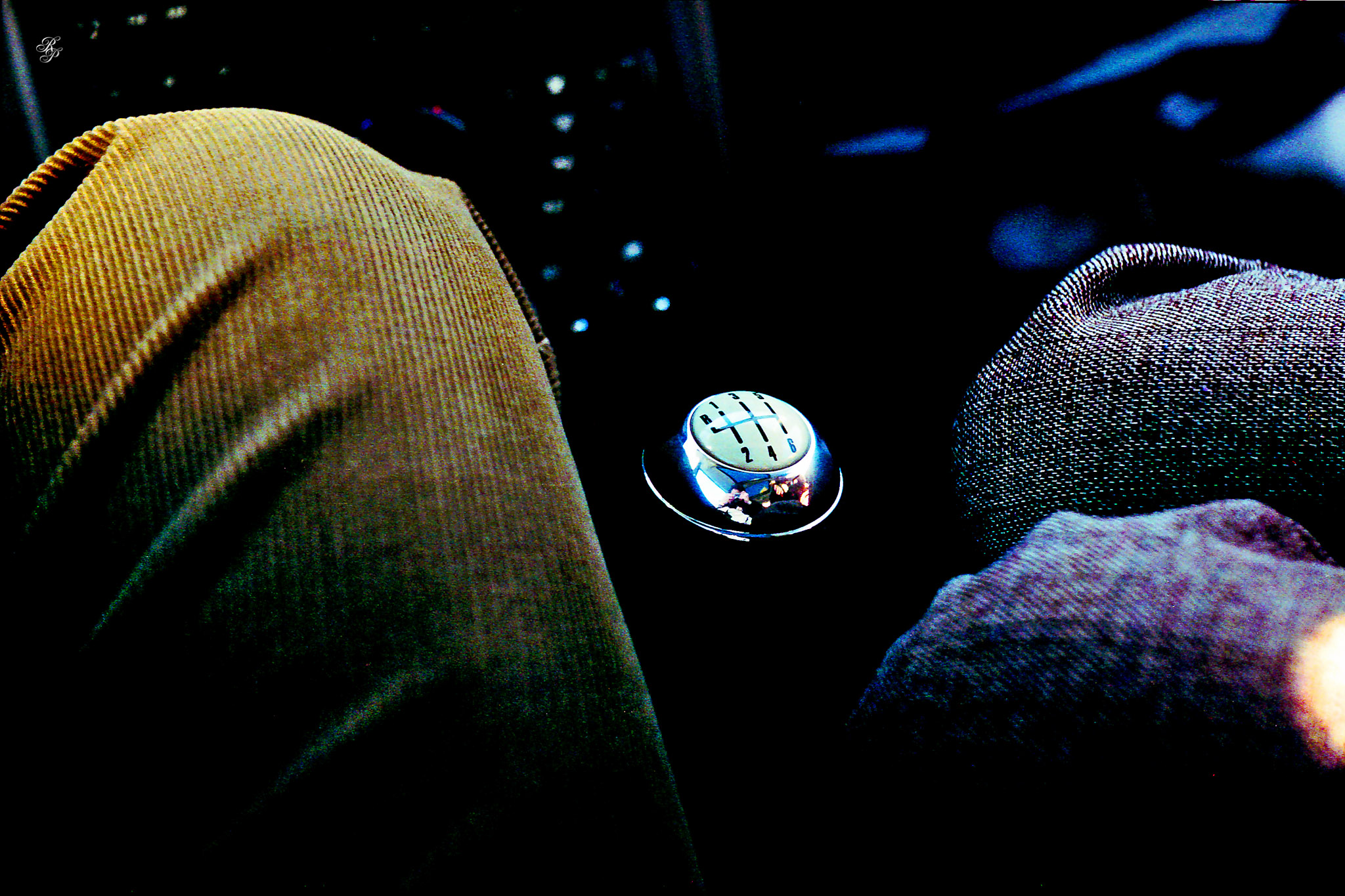
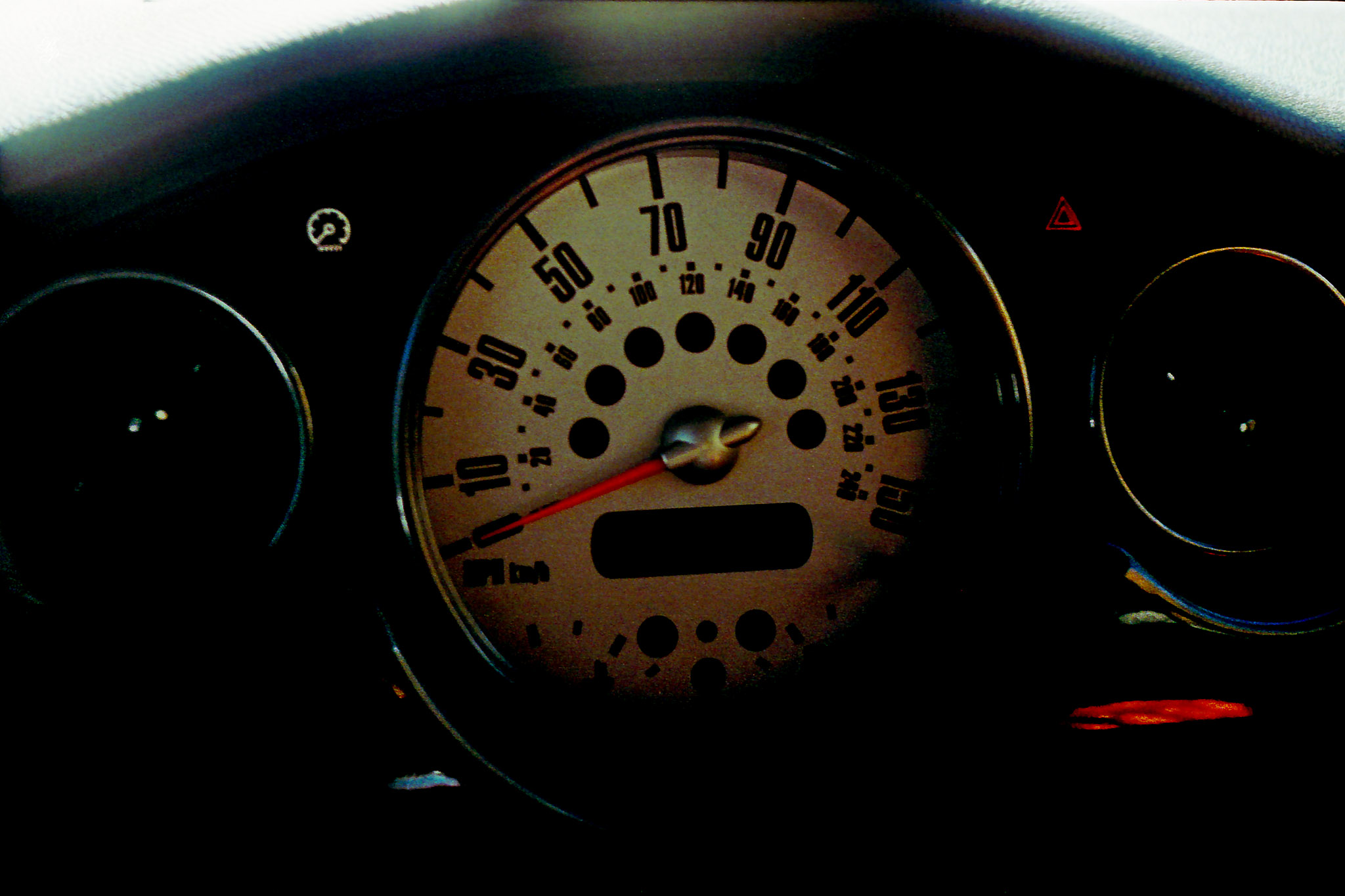
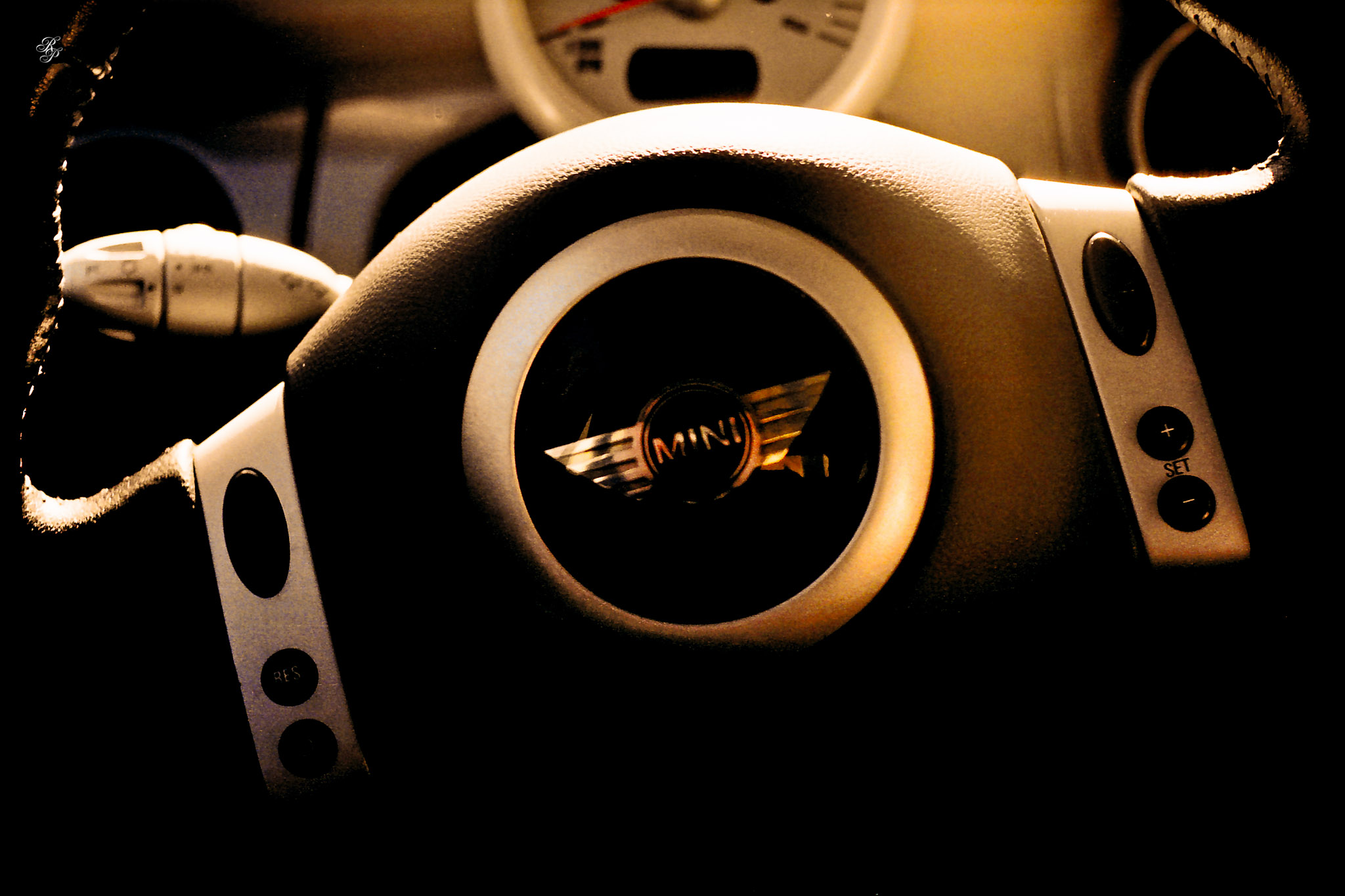
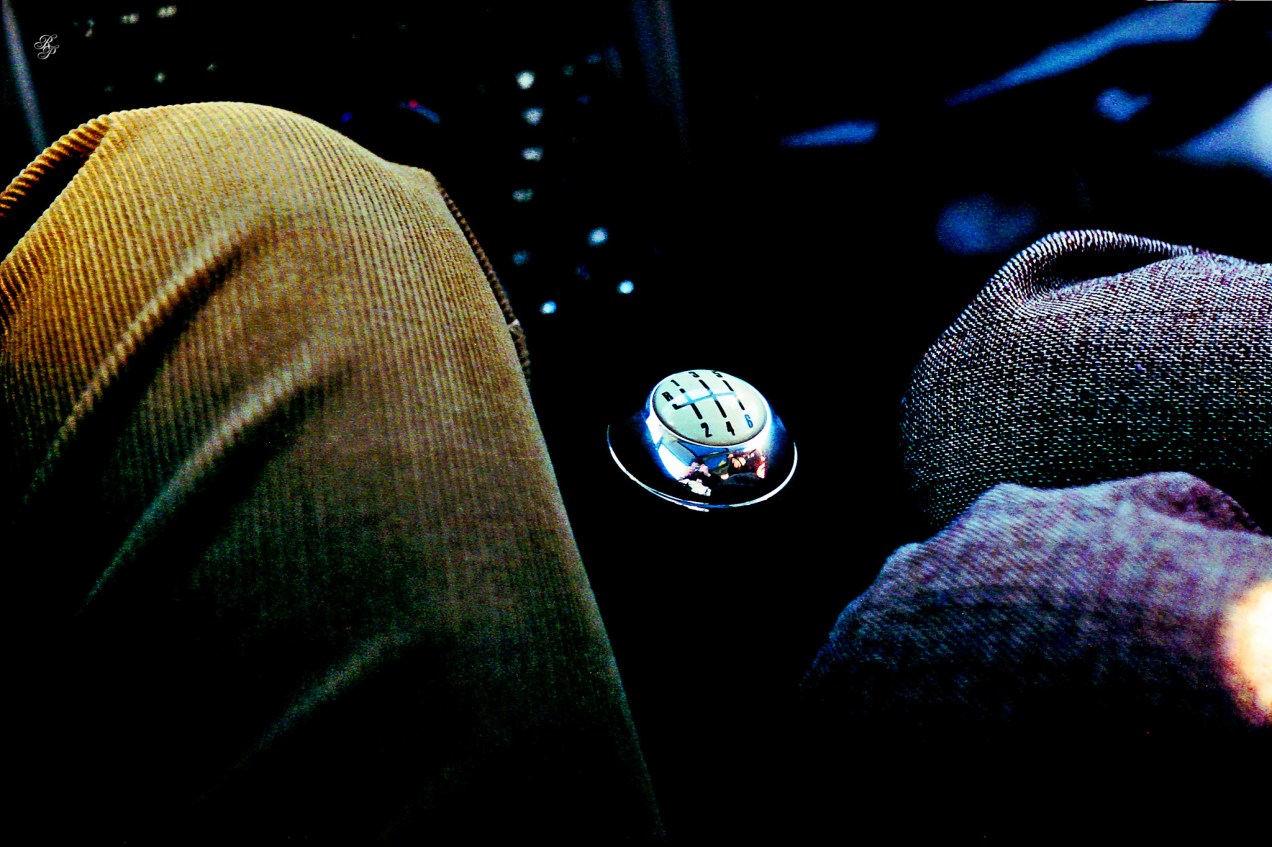
I took these next few photos in the MINI, as we were driving around DC one winter day, a few years ago, with a 35mm film camera, an Exakta EXA Ia.

Standard
Reviews

Camera preview: Canon EOS M

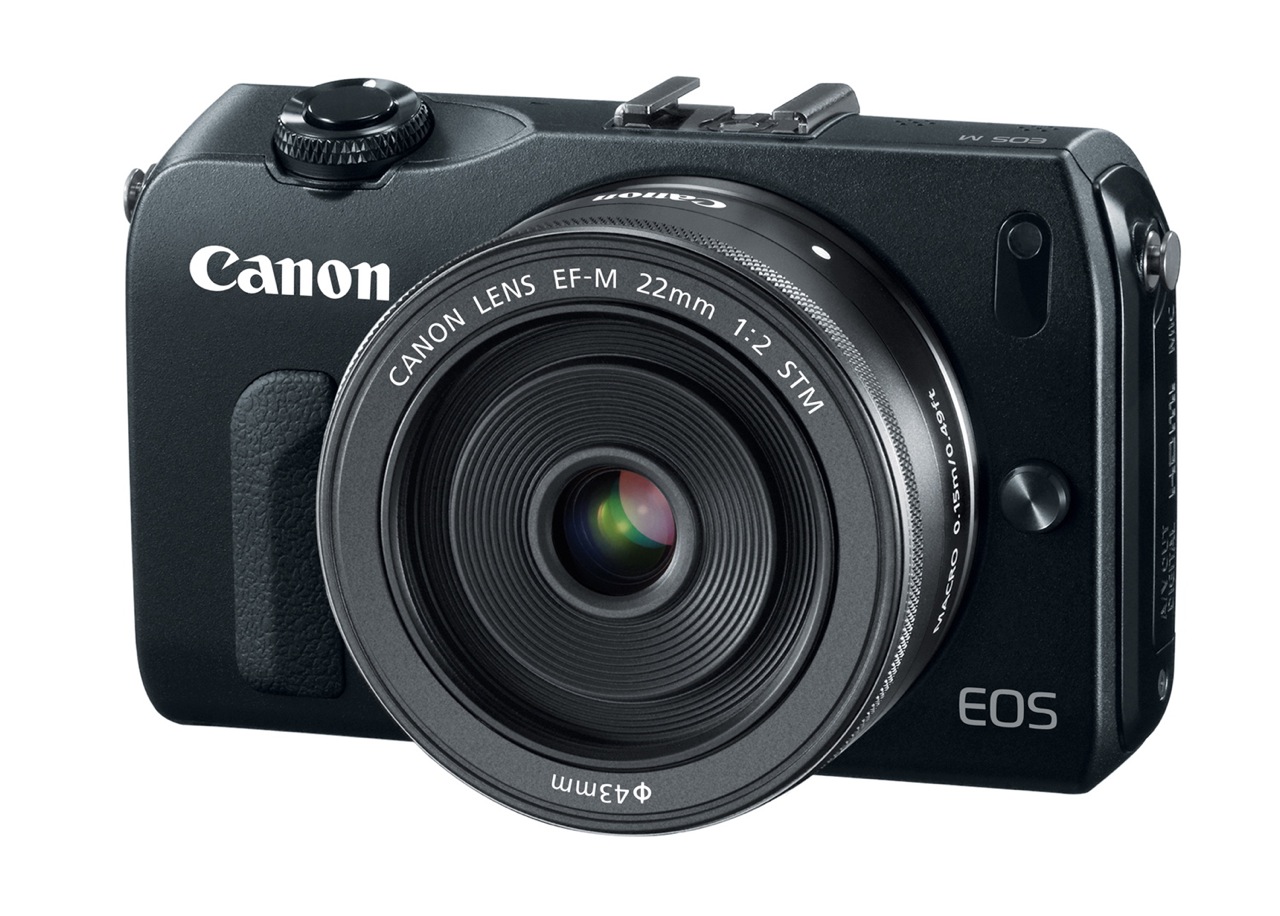
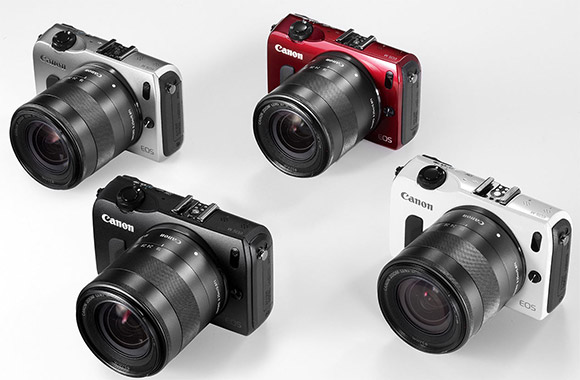
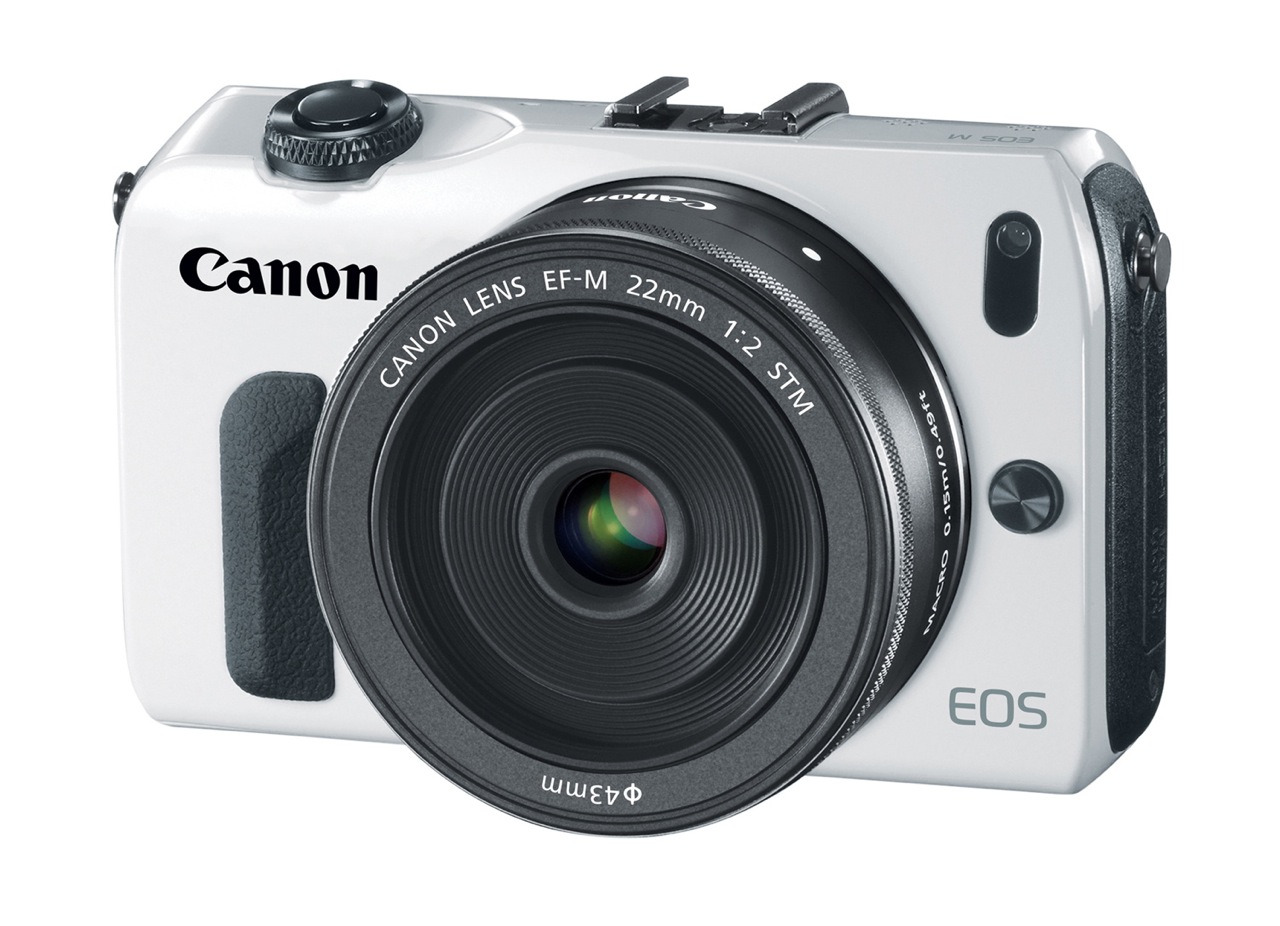
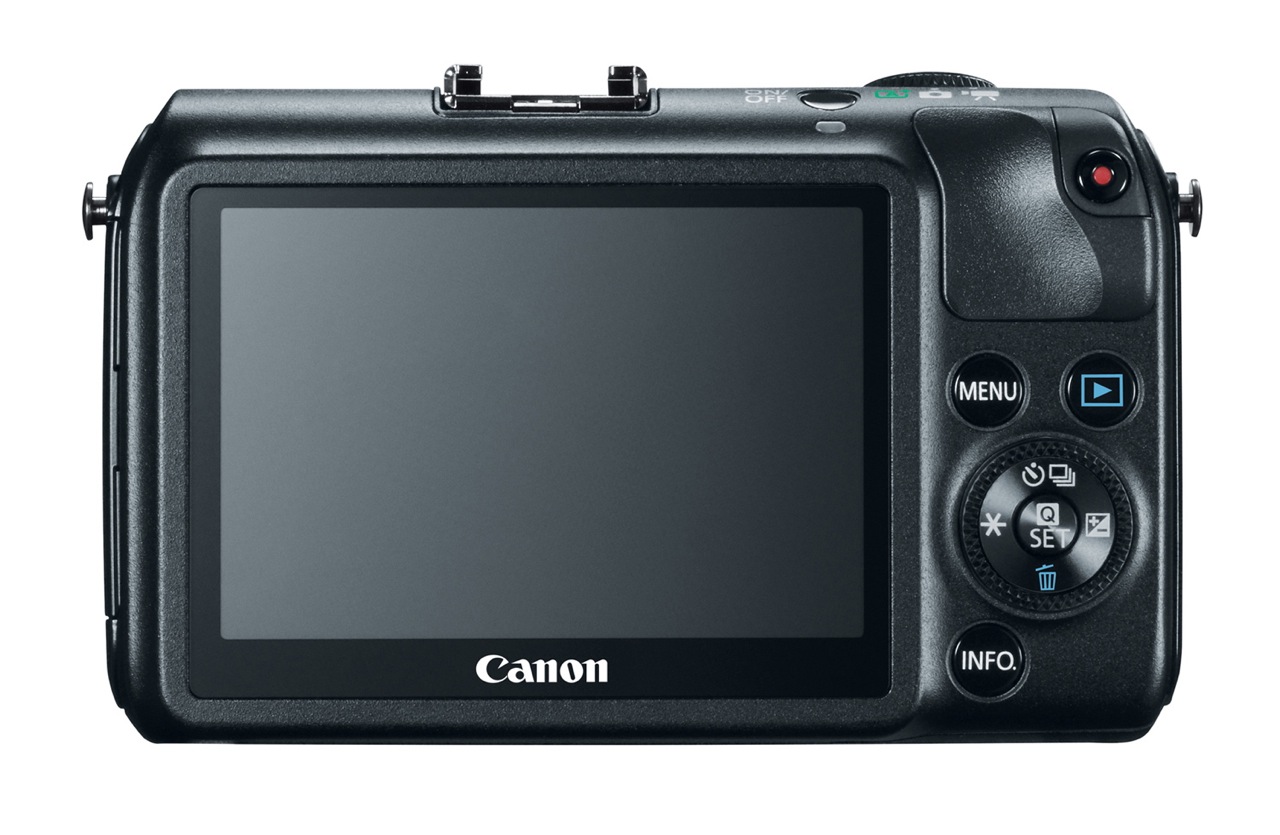
As I announced back in June of 2010, Canon has been at work on a mirrorless camera and they’ve finally launched it. It’s called the EOS M. It uses a new EF-M lens mount and its specs are pretty much what we expect mirrorless DSLRs to have these days. It ships in four colors: black (see above), white (see below), red and dark silver. Suggested MSRP is $799.

I’m going to be blunt, because the late arrival of this camera is frustrating. The only innovative feature I can see on it is its Hybrid CMOS AF System, which is located right on the sensor. Other than that, this is another mirrorless DSLR in an already mature market, albeit a highly anticipated model from a large manufacturer.

Canon took their time to take the plunge. My guess is they wanted the other manufacturers to “work out the bugs” in terms of the feature set and pricing, then they matched what the market wanted to see. They didn’t stick their neck out there to try something new. They let others do the hard work while they kept fiddling with the EOS Rebel line and tested the waters (partially) with the PowerShot G1 X and its large sensor.

Design-wise, the EOS M is pleasing. It’s thin, it’s got a nice profile, it’s not cluttered and it’s simple to use.

Back to the features:

  • Full HD movie mode with Movie Servo AF: this means accurate and noiseless focus tracking of subjects when using the EF-M lenses with the new STM (Stepping Motor) technology.
  • 18 megapixels: this was predictable given that all of Canon’s lower-priced DSLRs are also at the same resolution.
  • DIGIC 5 image processor
  • ISO 100-6400 in movie mode and 100-12800 in photo mode; they’re both expandable to 12800 and 25600, respectively.
  • Hybrid CMOS AF: innovative, but let’s wait and see how it performs in real world conditions; Canon DSLRs have had plenty of focus issues lately, this being just one example.
  • Compatible with full line of EF and EF-S lenses via adapter which preserves all AF and IS functions.
  • 1,040,000 dot, 3-inch LCD with touch AF
  • Scene Intelligent Auto, Creative Filters, Multi Shot Noise Reduction
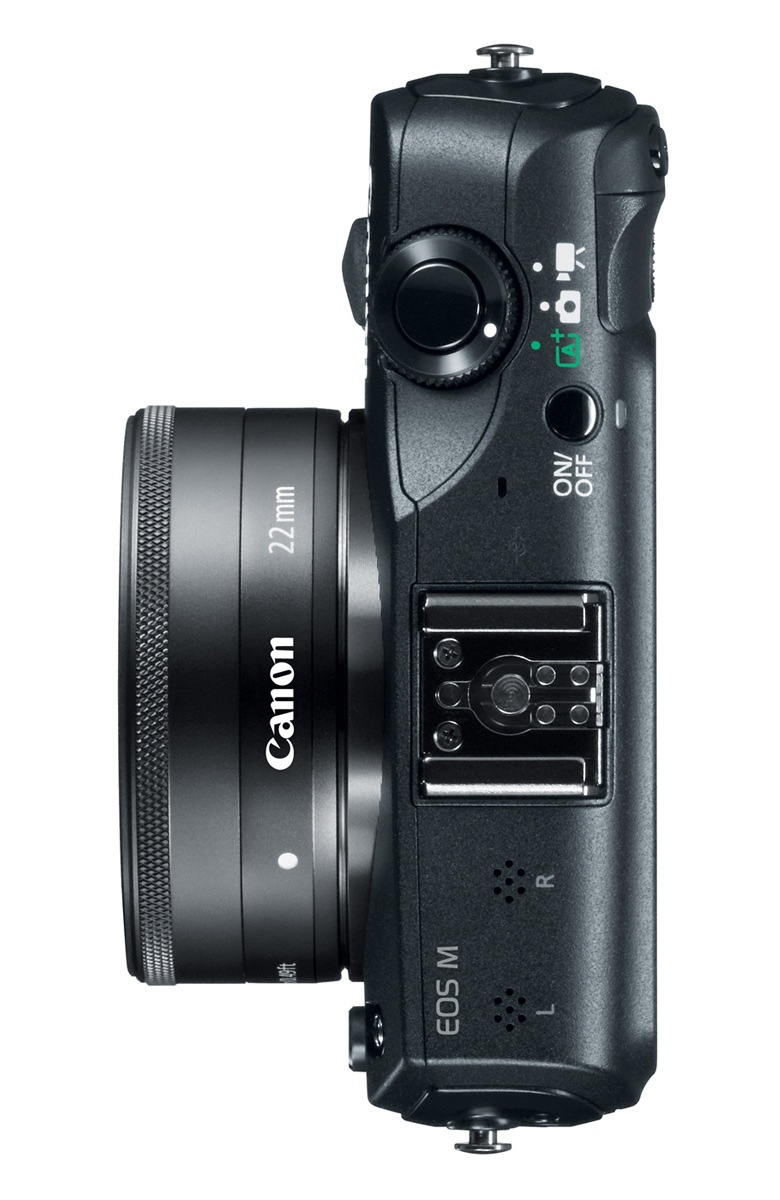
  • Stereo microphone, manual audio adjustment, wind noise filter
  • Total recording time per scene goes up to 22 minutes

Watch out for the following:

  • A notable MIA among the accessories is a viewfinder, like on the Olympus OM-D EM-5 or their PEN line of mirrorless DSLRs, like the E-P3. That means using the EOS M in glaring sunlight is going to be somewhat frustrating.
  • Stills frame rate is 4.3 fps.
  • Video frame rate at 1080p goes up to 30 fps. I want to see a Canon camera go up to 1080p/60 fps.
  • Computer connectivity is still USB 2.0. This is one area where Canon could have pulled ahead of the pack and gone with USB 3.0.
  • Battery life is average for a mirrorless (about 230 shots or 1.5 hours of video). Given my experience with Canon HDSLRs, I’d say real world battery life when shooting video is more like 30-45 minutes.

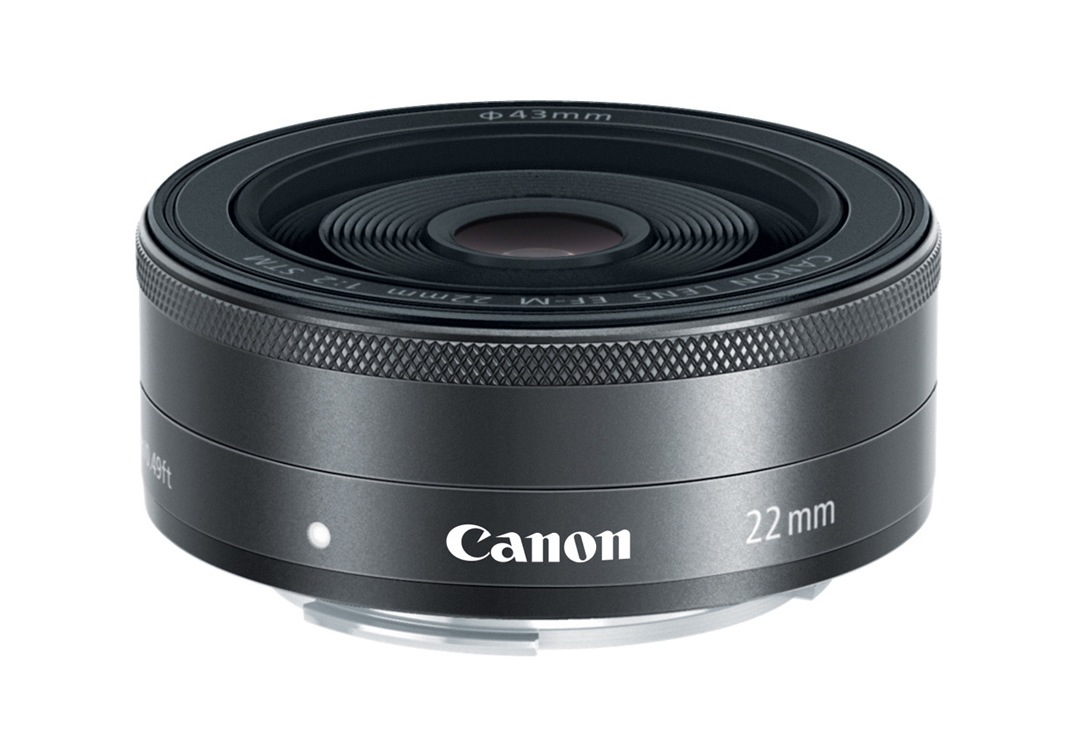
Let’s have a look at the accessories. The camera ships with an EF-M 22m pancake lens.

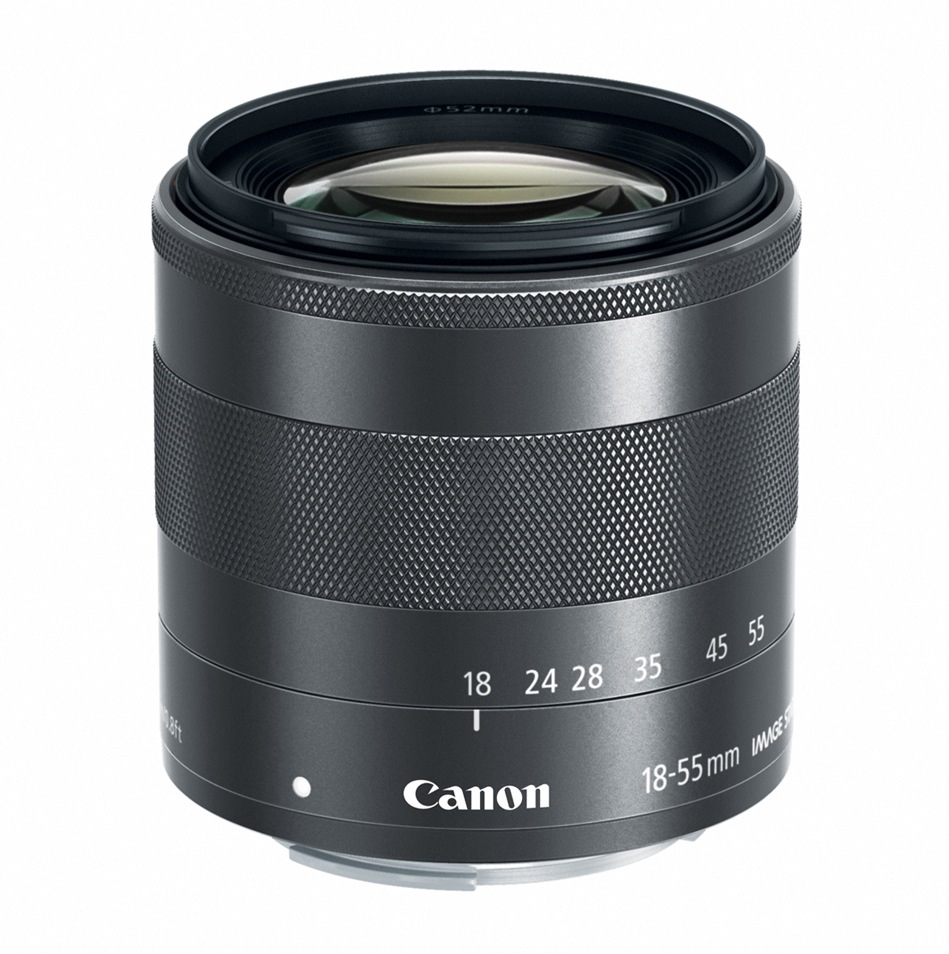
You can also get an EF-M 18-55mm lens for it.

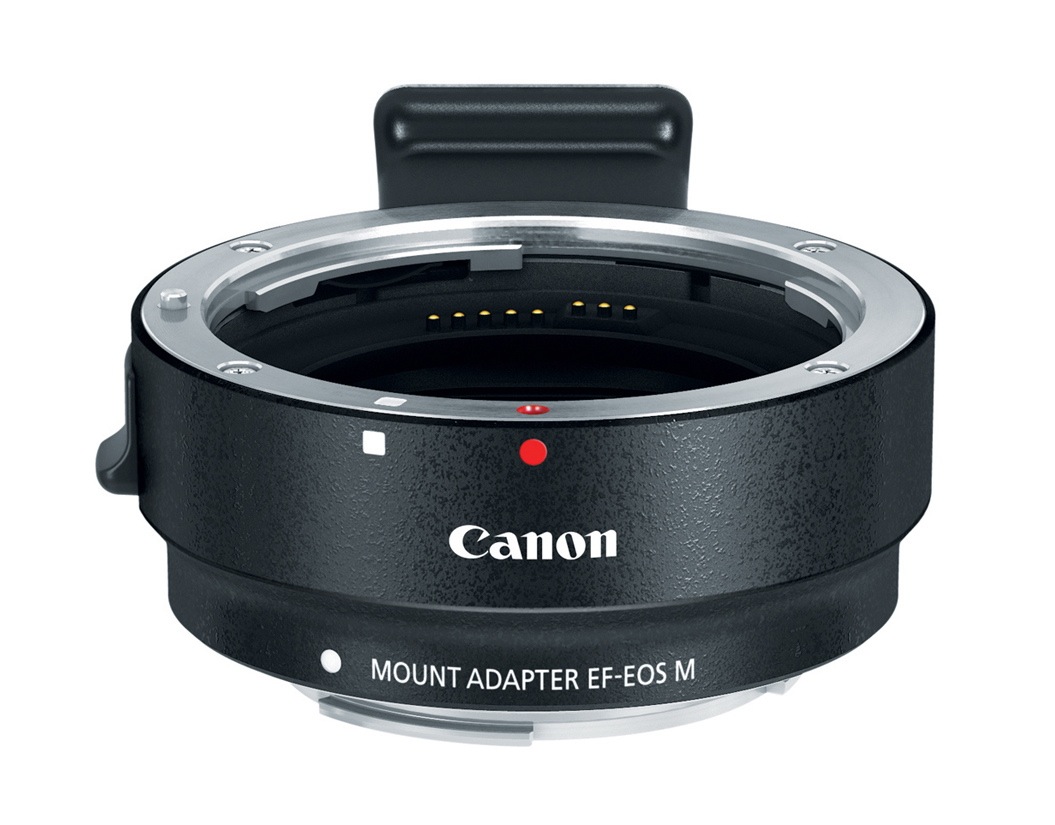
Here’s the mount adapter I mentioned earlier.

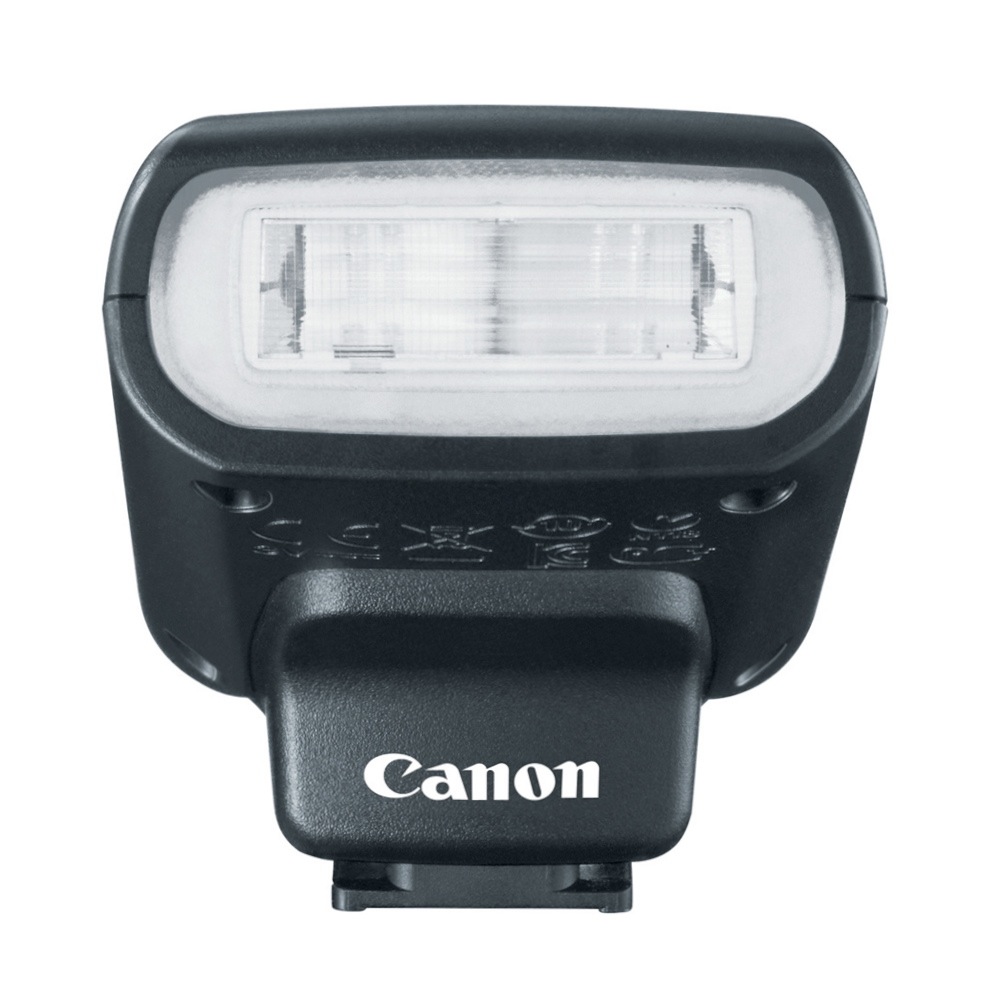
And here’s a diminutive speedlite designed for it, the 90EX.

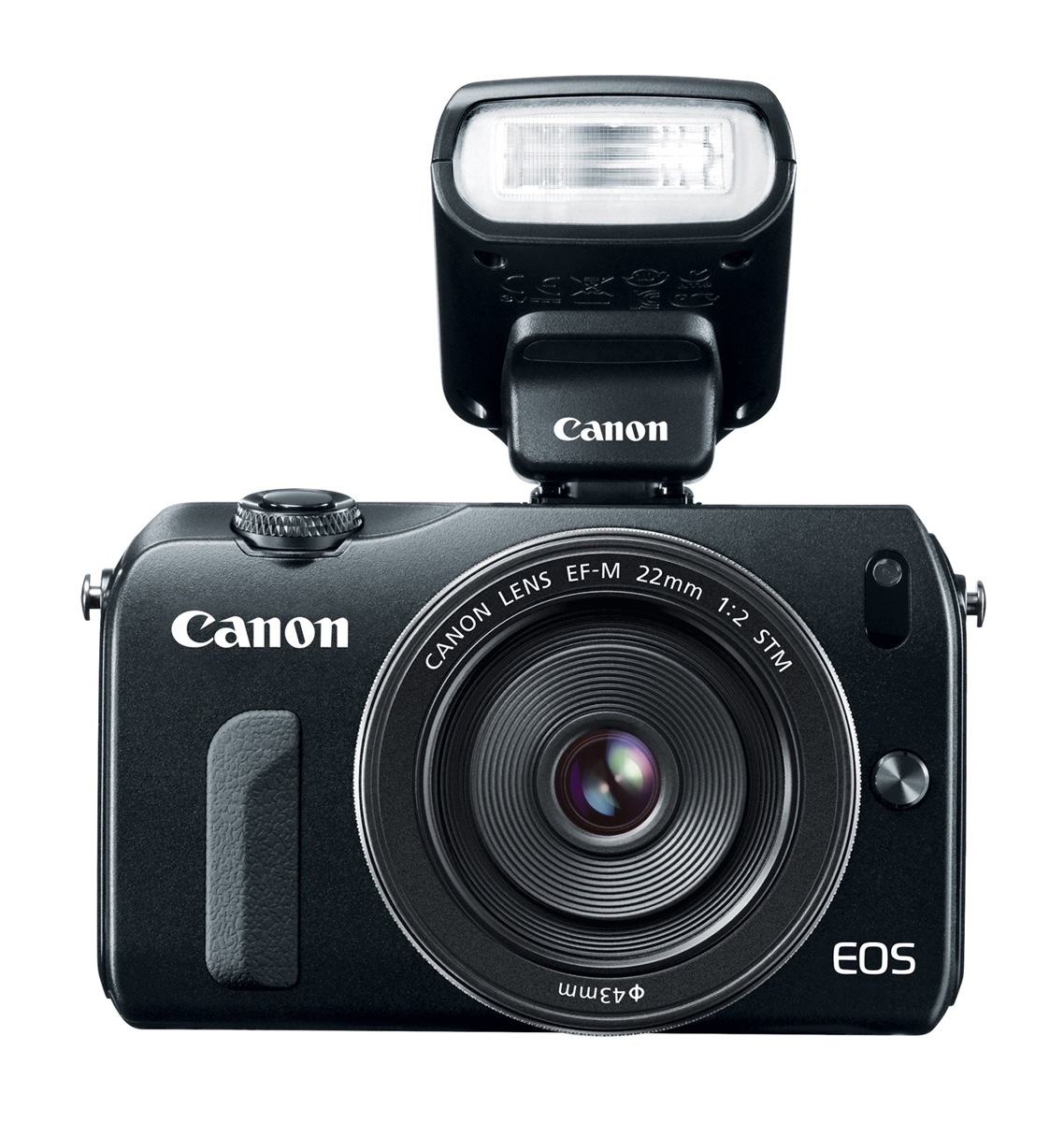
Here’s how the camera looks with the speedlite mounted in the hotshoe.

So, should you get this camera? If you’re already heavily invested in Canon gear and want a small, easy-to-carry camera, the decision is simple. If you aren’t, then there are many models on the market with various differences in design, feature sets and price that may make them more appealing to you than this particular camera. The decision is yours after you look at all of them, and I do encourage you to look at all of them.

If you do end up getting the camera or some of its accessories, I’d appreciate it if you’d use one of the links below:

Images of EOS M courtesy of Canon. 

Standard
A Guide To A Good Life

Do you know Dieter Rams?

Dieter Rams (Image source: Wikipedia)

Here is Dieter Rams, one of the giants of industrial design.

I love the man’s approach to design and his clear avoidance of planned obsolescence. He is a great example of standing for something that you believe in and then changing the world because of your stance. Wonderful.

You may also want to read through his speech on design, given in 1976, the year I was born.

Standard
A Guide To A Good Life

Have great shoes? Use a cobbler.

If you like and buy quality leather shoes (over $100 or more), and if after you’ve worn them for some time, they need repairs (sole or heel repairs or restitching) don’t throw them away. Find and use the services of a good cobbler (a shoe repairman) to breathe new life into them.

A cobbler repairs shoes. A great cobbler can make old shoes look new again and can even repair a shoe’s sole so well that you’d never know it was replaced. Good cobblers are few and far between, but they’re the only ones that can help you, so it’s worth it to find them.

In this video, I talk about how I repaired three pairs of shoes.

There’s also a great video from Put This On, a web series about dressing well, where shoes and shoe repairs are discussed (found it thanks to Sheldon Schwartz). It’s a great video that teaches you how quality leather shoes are made and how they can be repaired. It will also show you how to shop for good shoes.

Enjoy!

Standard