Places

New town center, Baia Mare, Romania

We began our recent trip through Bucovina in the city of Baia Mare, the capital of the province of Maramures in Romania. A few interesting tidbits about the city:

  • It has a Mediterranean-like climate, which means it can support chestnut trees — a rarity given that it’s located in the northern part of Romania, which in itself is quite a ways north from the Mediterranean Sea.
  • Population is about 150,000 people
  • The region is rich in gold and silver
  • It was one of the few known shtetls in Romania, along with Radauti and Gura Humorului. (Shtetls are, or rather were, pre-WWII, small towns with large Jewish populations from Central and Eastern Europe.)
  • The new town center was built in the 70s and 80s and features modern architecture

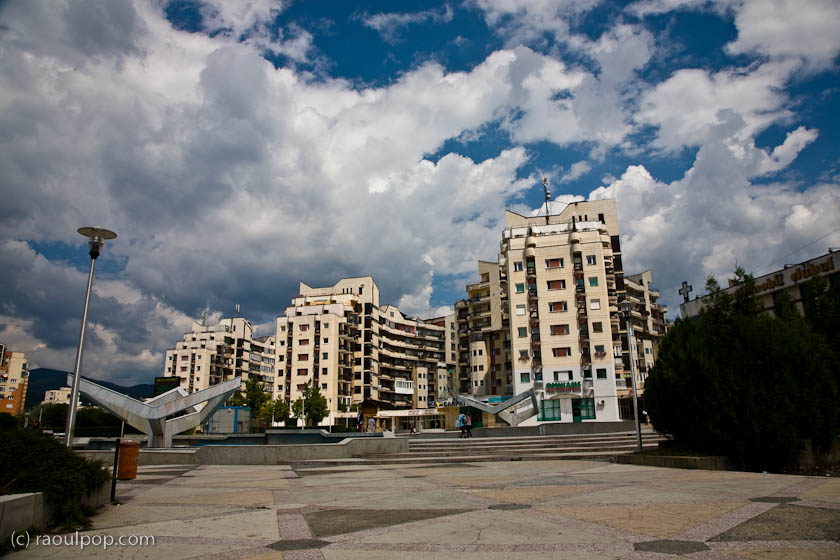
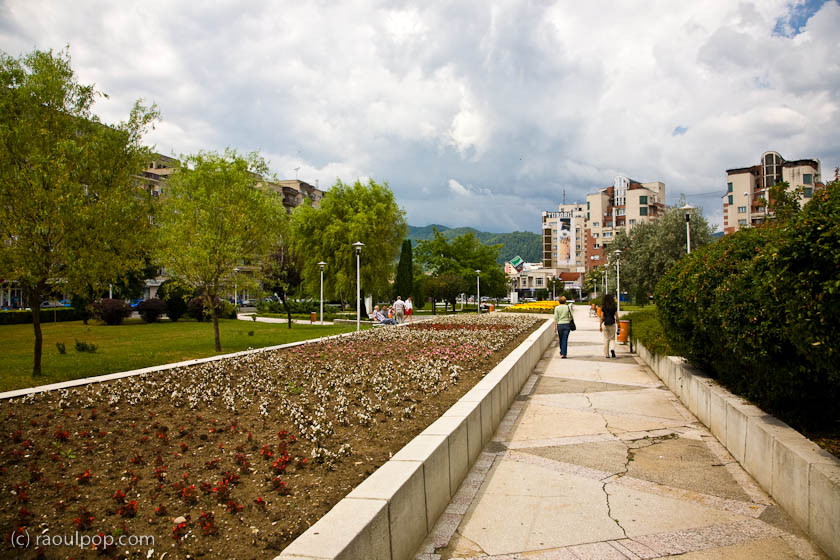
We visited the very same new town center. The architecture is certainly modern, but is unfortunately not maintained. Almost all of the buildings show cracks, some of the exteriors have begun to peel off, some windows are broken, there’s graffiti on most of them, and all are covered in a nice, thick layer of muck. I guess some of that can’t be helped after 40 years, but still, some efforts ought to be put forth by the city to maintain the architecture, right?

baia-mare-maramures-37

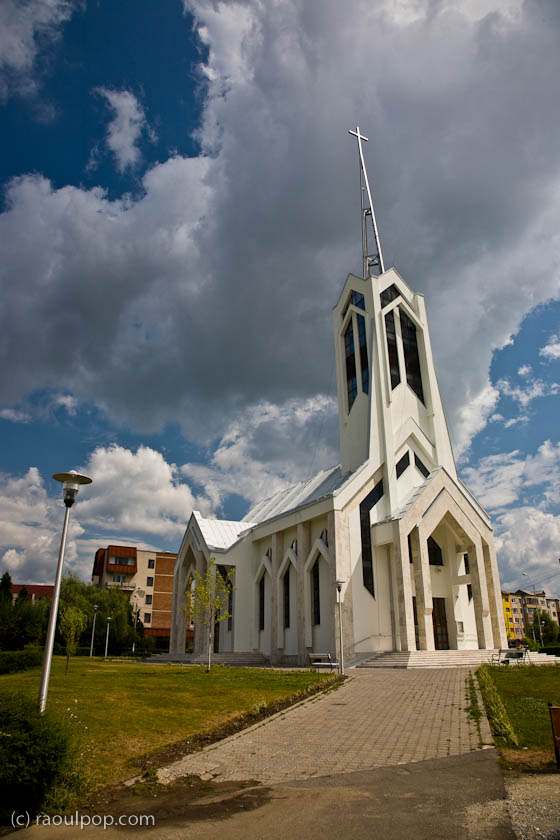
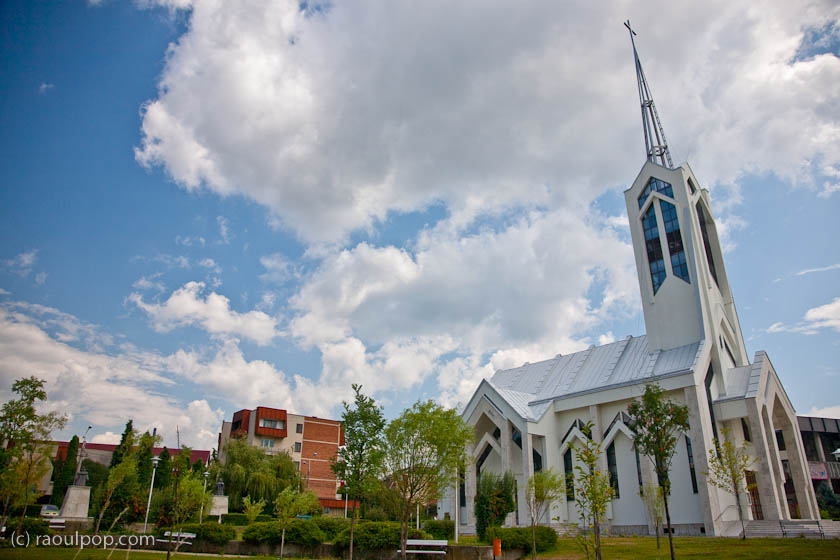
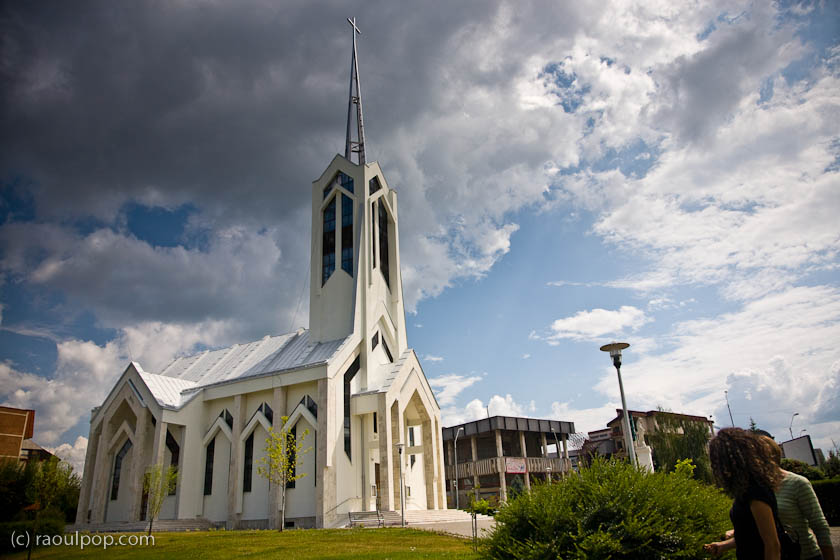
The image of the church above is a fairly good representation of the state of downtown Baia Mare and of Romanian cities in general. At first sight, it looks nice, but as you get closer, you begin to see glaring problems such as the state of the sidewalk (potholes among a mixture of pavement, mud, asphalt and stones), poor landscaping, poorly maintained buildings, etc. If you were to look closer, you’d see problems with the building as well. To some extent, this can be blamed on the past Communist regime, where the emphasis was placed on quantity, not quality. The construction issues have only become evident in recent years, as layers have started to come off apartment buildings and public buildings alike, peeling like onion skins, revealing the crumbling masonry work beneath.

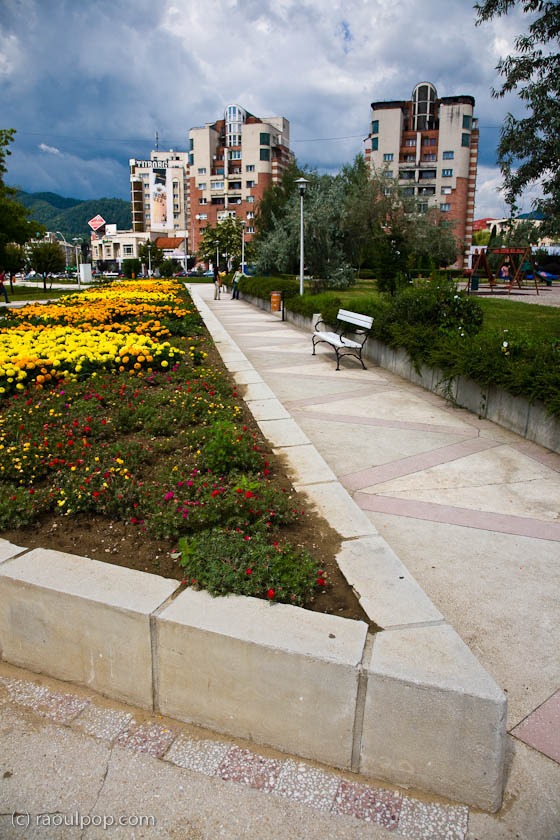
This next photograph shows the building defects a little better.

baia-mare-maramures-5

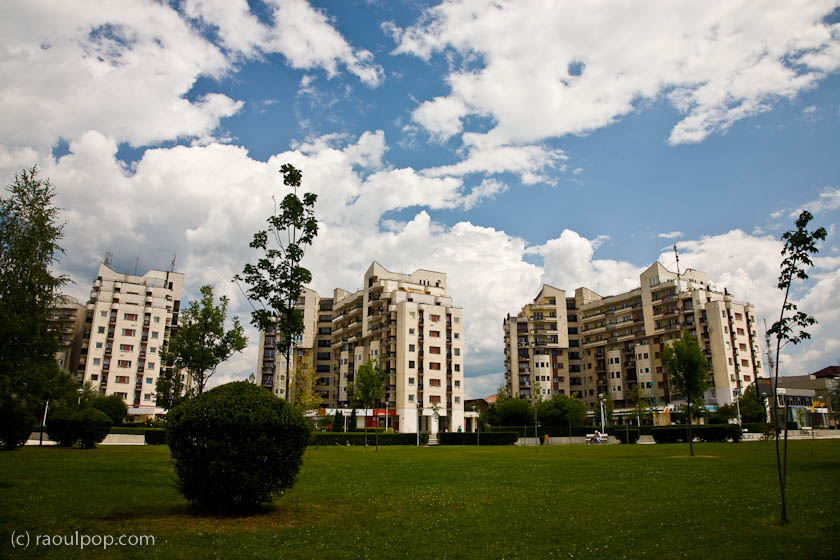
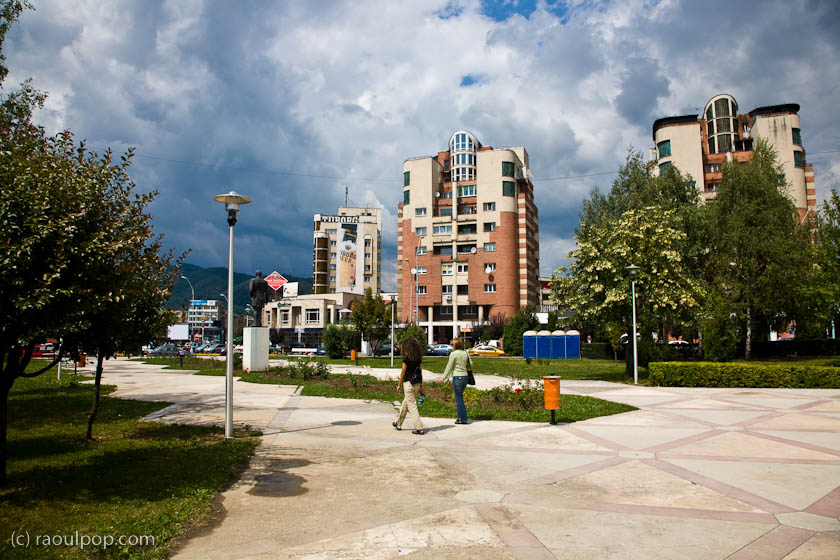
The buildings look much nicer from nice from afar, don’t they?

baia-mare-maramures-9

baia-mare-maramures-24

I took most of the photos from a park in the new town center, as you can see for yourself if you look at the surroundings. All in all, in terms of planning, it’s good. The idea of a central park in a new downtown, and the allowance for plentiful vegetation among apartments and shops and hotels is great. But a great idea must also be executed in appropriate fashion in order for it to be fully appreciated. In this new town center, like in most town centers built during Communist times, proper execution just isn’t there.

Look, don’t think I’m bashing Baia Mare. It’s a wonderful city, and there are many cities in worse shape in Romania. All I’m saying is things could be a lot better than they are. The predecessors could have done a better job building the city, and their successors could be doing a better job maintaining and beautifying it.

baia-mare-maramures-33

baia-mare-maramures-21

baia-mare-maramures-20

baia-mare-maramures-19

baia-mare-maramures-16

baia-mare-maramures-10

baia-mare-maramures-27

baia-mare-maramures-1

Standard
Places

A trip through Bucovina

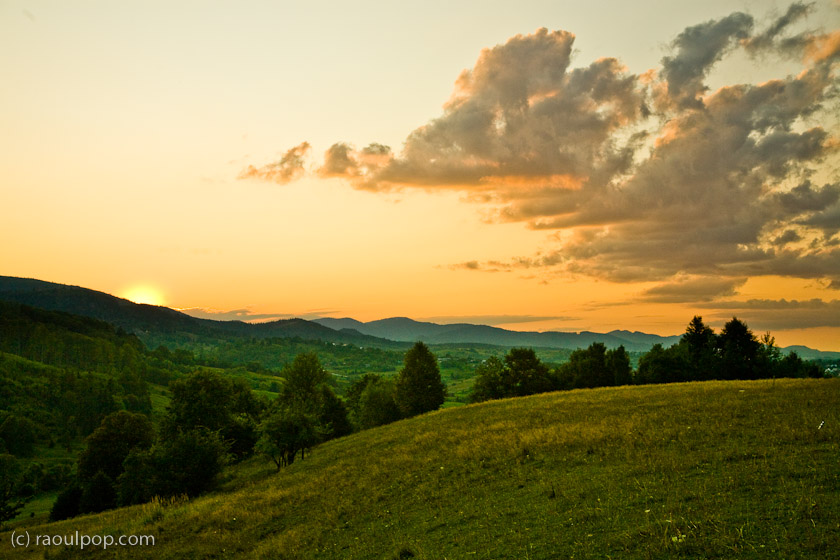
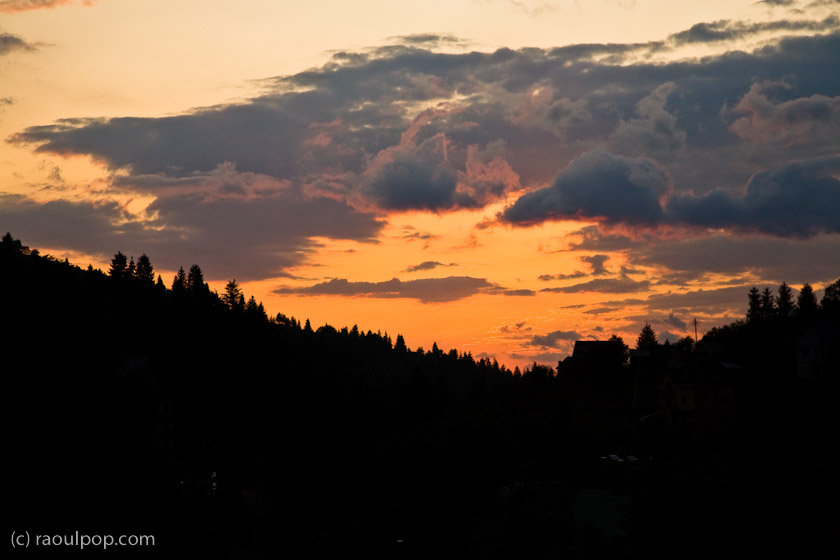
As announced, we returned last week from a road trip that took me through northern Maramures, Bucovina, Moldova and northern Transilvania. (These are all provinces in Romania, by the way.) Ligia, my parents and I packed into our car and spent about 1 ½ weeks on the road, visiting various places, mostly in Bucovina. We visited several monasteries (the region has some of the most important in Romania and Eastern Europe), most of which we’d visited back in 1991, so it was interesting to see how they, the places around them, and the people living there changed over the years. Along the way, as we meandered through the Carpathian Mountain chain, we got to see amazing vistas like these ones.

Amazing sunset

A sunset in Bucovina

crossing-the-mountains-4

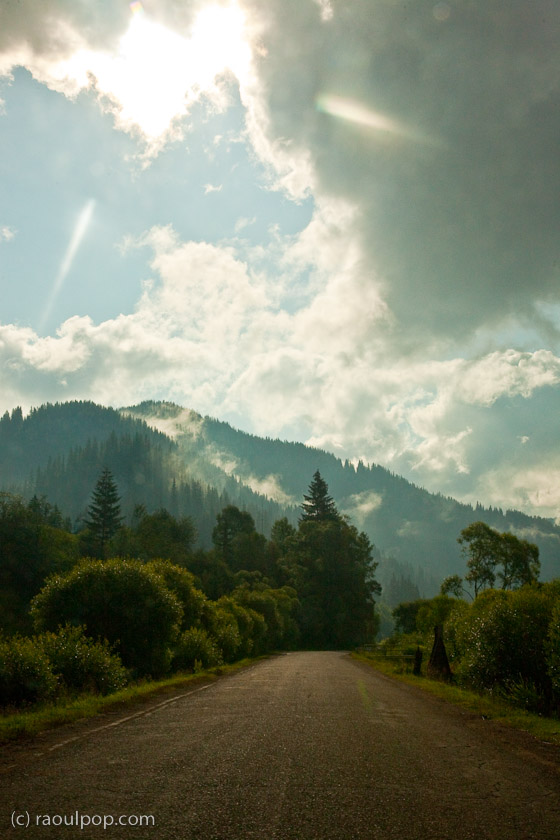
Rising fog in the morning hours, on the road in Bucovina
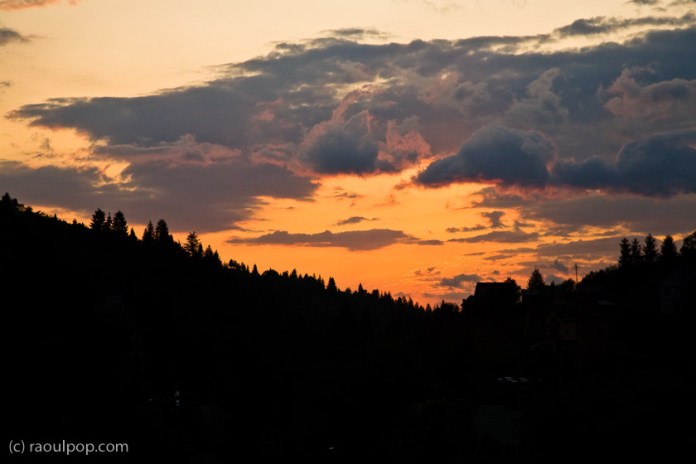
sunset-carpathian-mountains-9

A sunset near Borsa

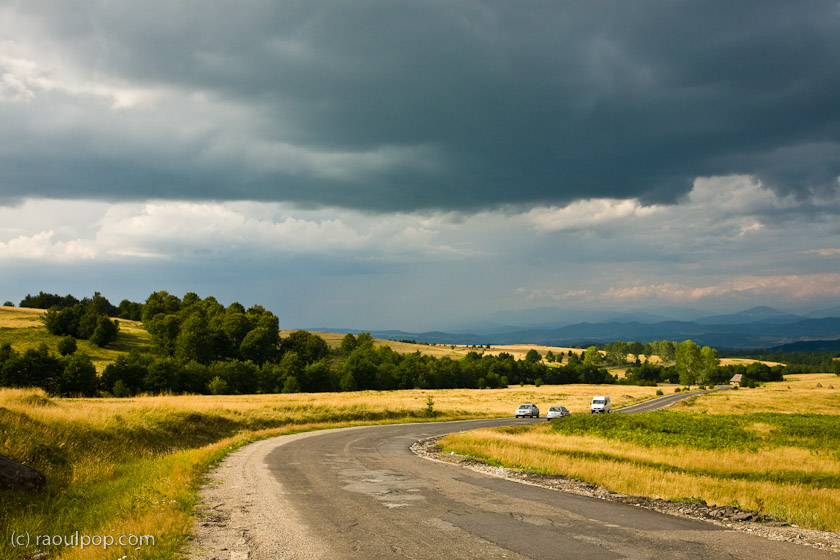
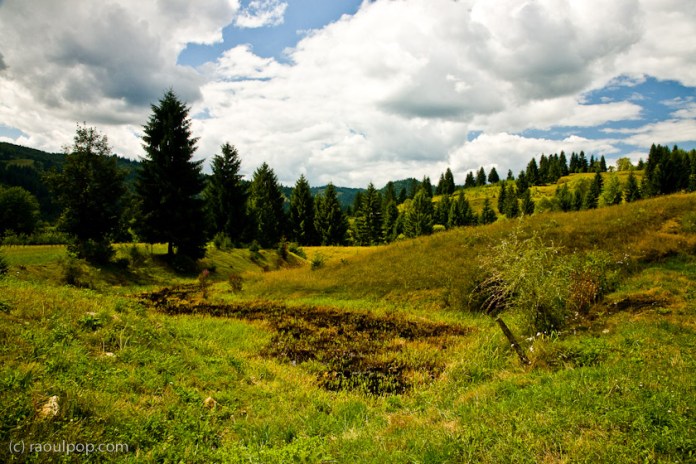
rainstorm-approaching-mountain-plateau-maramures-7

At the edge of northern Maramures, about to cross into Bucovina
prs-vama-bucovina-24

In the hills outside the village of Vama, in Bucovina
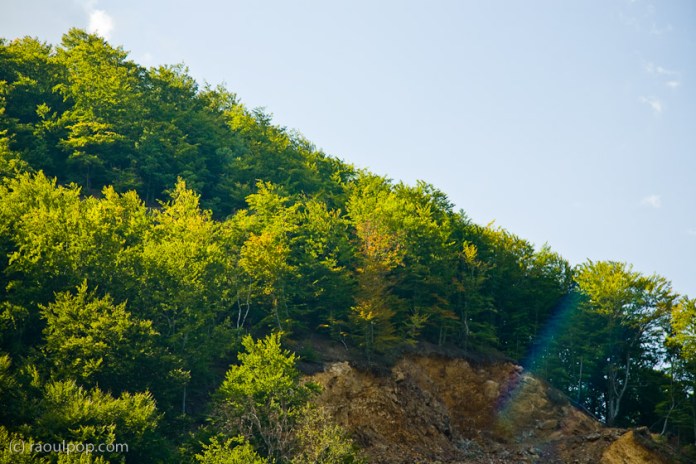
crossing-mountains-maramures-28

In Maramures. Do you notice the start of a rainbow in the lower right corner?

We started with a quick stop in Baia-Mare, in Maramures, where we walked in the newer, more (relatively) modern town center. The historic town center is a few kilometers away from where this photo was taken.
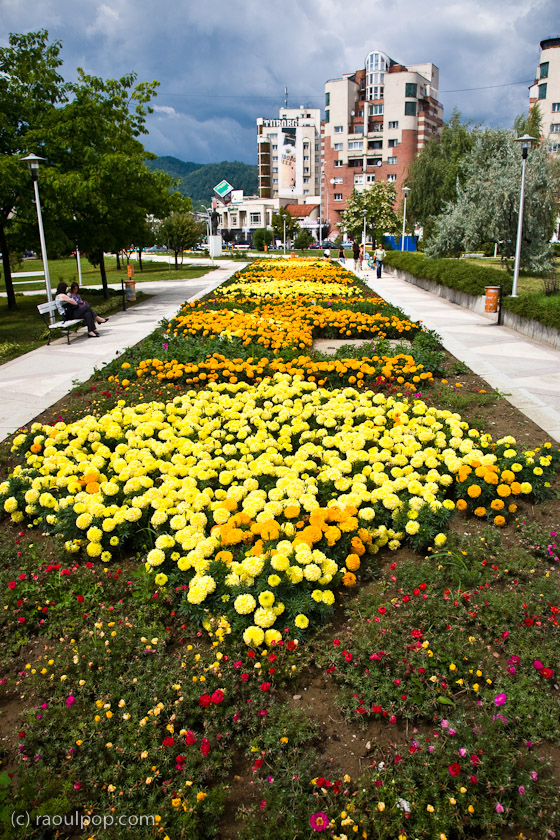
baia-mare-maramures-15

Downtown Baia-Mare, Maramures

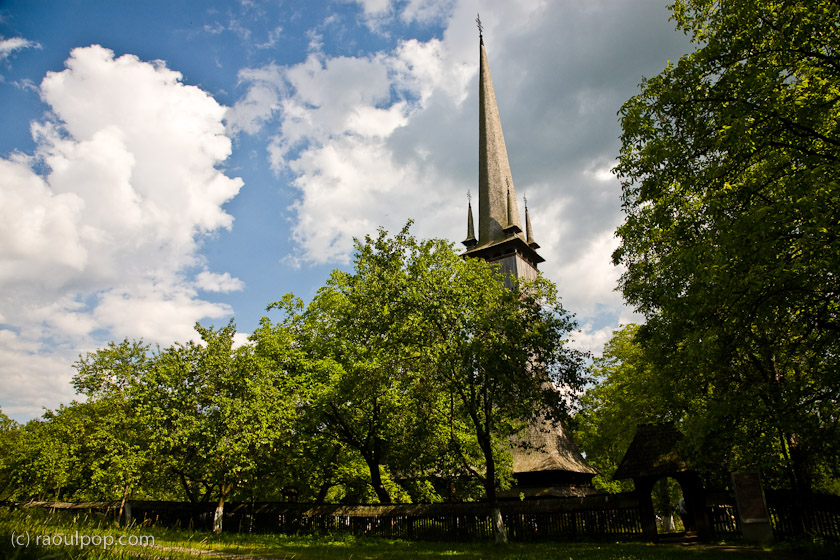
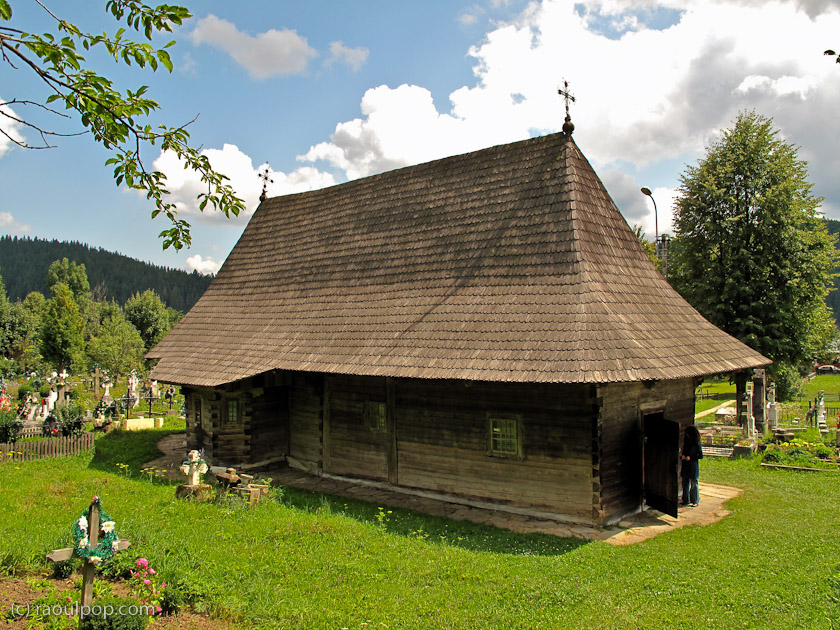
From Baia-Mare, we headed North, toward Sighetul Marmatiei, then West, into Bucovina, crossing over the Northern part of the Carpathian Mountains. While still in Maramures, we visited the tallest wooden church in the world, Biserica de Lemn “Sfintii Arhangheli Mihail si Gavriil”, in a village called Surdesti.

biserica-de-lemn-surdesti-5

Biserica de Lemn "Sfintii Arhangheli Mihail si Gavriil"

Night came upon us as we drove over Mt. Prislop, the main crossing point from Maramures into Bucovina. There was no lodging available in Borsa, a mountain resort (what economic crisis?!), so we drove on and found a cabin at the very top of the mountain. We stopped there, hoping for a memorable overnight stay. Unfortunately, the accommodations left a lot to be desired — the bathrooms in particular — so I spent most of the night mulling over my thoughts and taking photos, unable to sleep. This is one of the ones I made that night.

mount-prislop-at-night-1

About 2 am, right on the very peak of Mt. Prislop, in Bucovina

The next morning, we moved on and wound our way into the heart of Bucovina. The first stop was the resort town of Vatra Dornei, which is famous for its natural springs. Here’s one of them below.
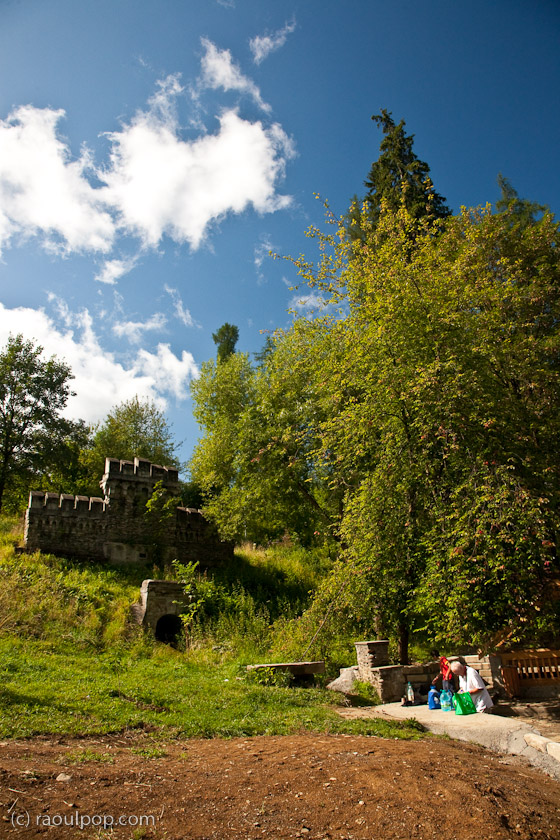
vatra-dornei-romania-27

Vatra Dornei, Romania

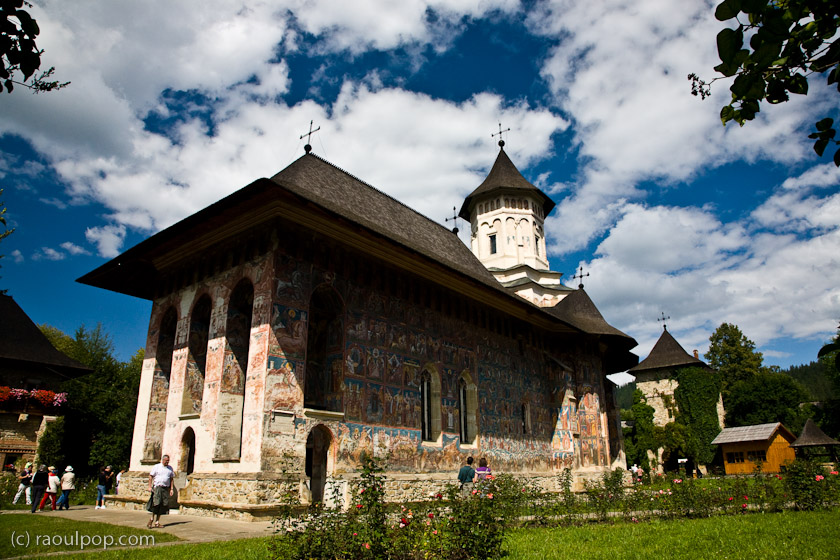
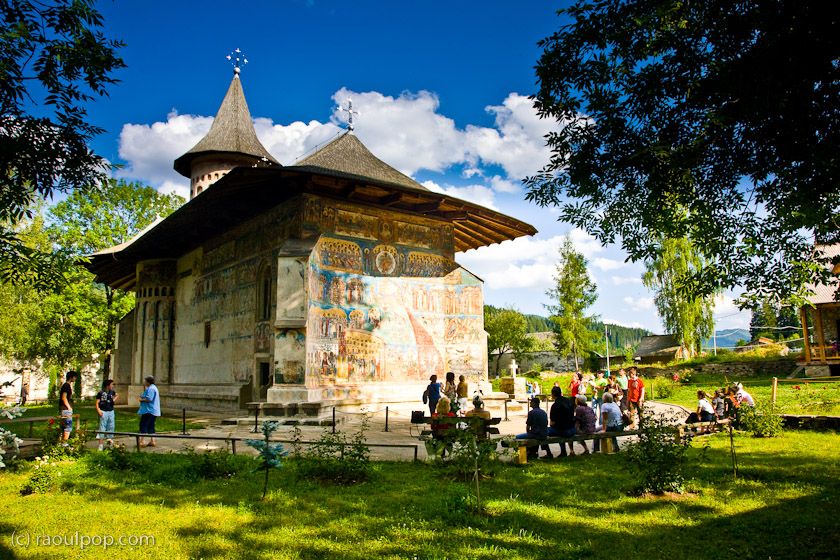
The monastery at Moldovita was next on our itinerary.
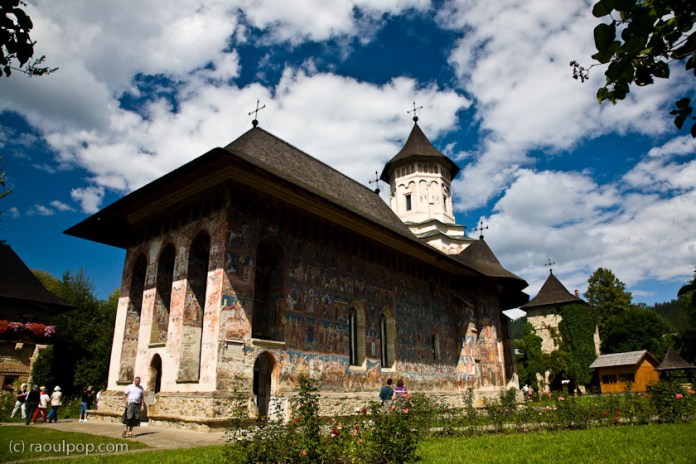
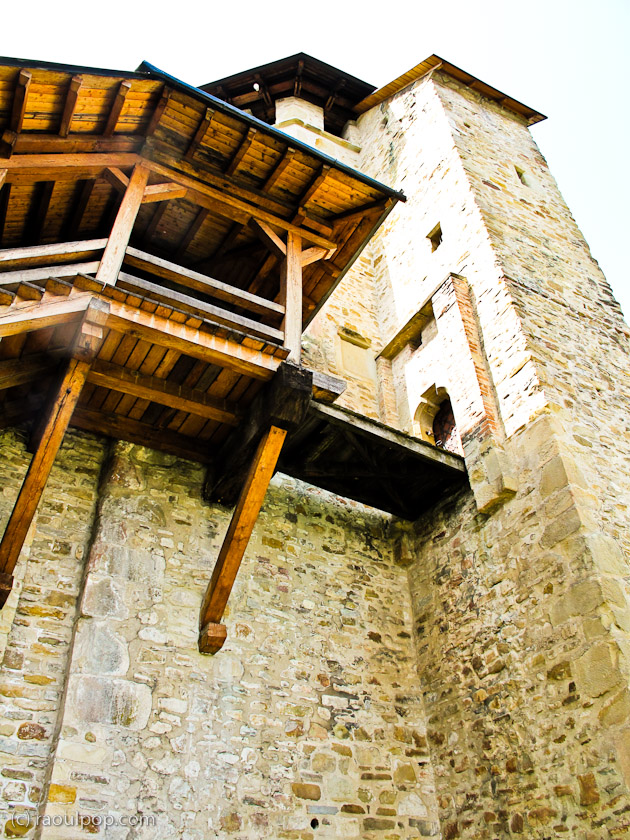
Manastirea Moldovita, Bucovina, Romania.

Manastirea Moldovita, Bucovina, Romania
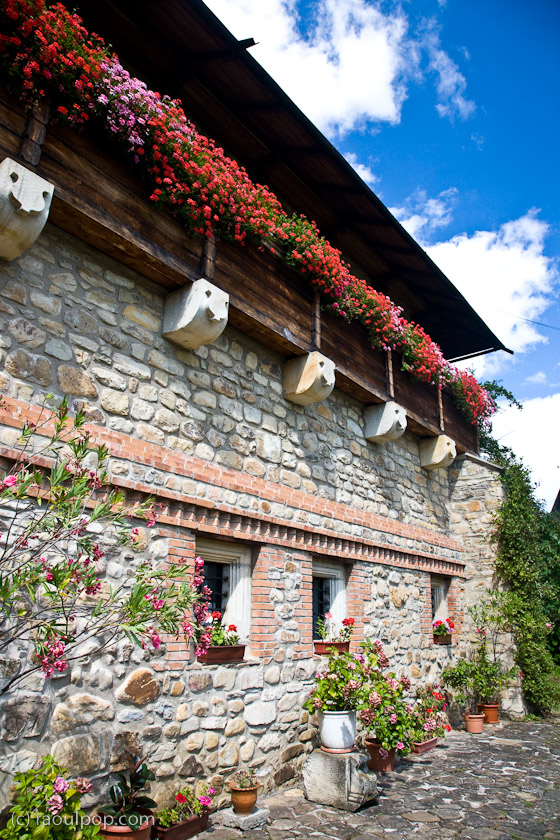
Manastirea Moldovita, Bucovina, Romania.

Manastirea Moldovita, Bucovina, Romania

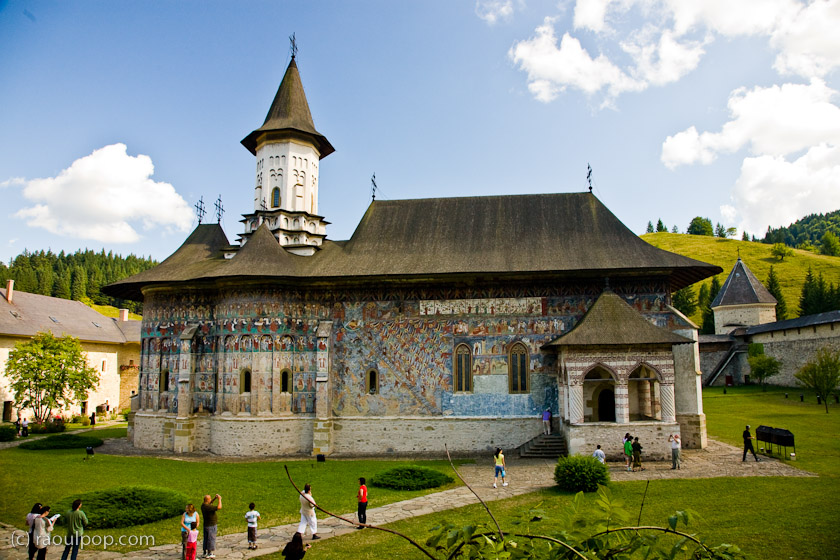
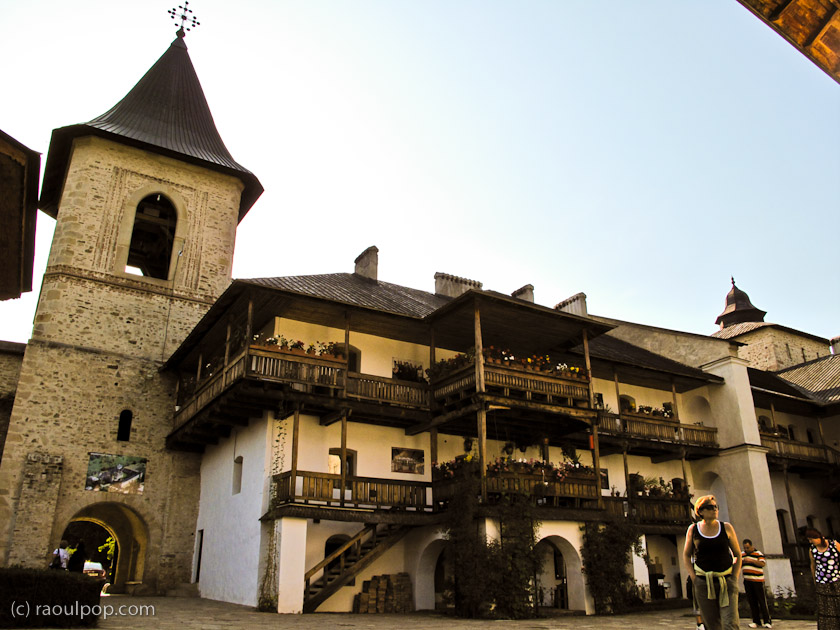
The second monastery we saw was Sucevita.
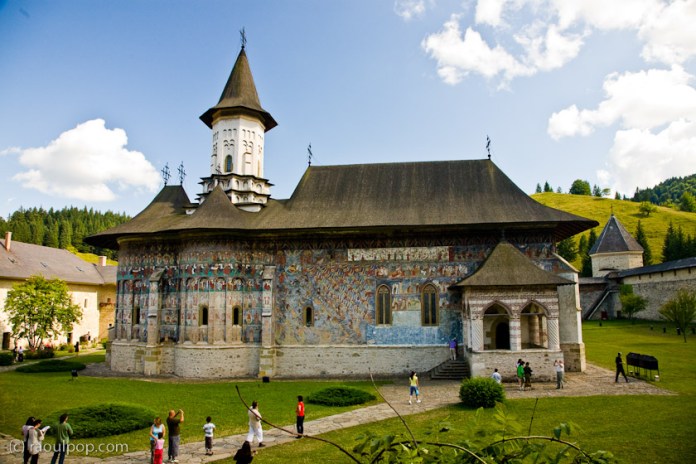
manastirea-sucevita-bucovina-51

Manastirea Sucevita, Bucovina, Romania

Manastirea Sucevita, Bucovina, Romania.

Manastirea Sucevita, Bucovina, Romania

After not sleeping very well the previous night, and given the lodging crisis, we decided to start looking for a room around 5 pm. To our disbelief, all lodging in the area of the monastery (about 2 hotels and 3 pensions) was taken. I have no idea what economic crisis they keep talking about on TV and in the newspapers, because when I go out in the world, I don’t see any difference. Lodging was either full or close to full at most every place we visited, even in remote locations. Mountain resorts like Borsa, Durau, Vatra Dornei and Borsec were all full.

Since no lodging was to be found in the area, we drove to Radauti, one of the main towns in the province of Bucovina, hoping to find something there. We were looking for a 4-star place, either a hotel or a pension, and we were about to leave town, disappointed, when we decided to ask a gas station attendant who pointed us to David House, a 4-star pension nearby. Let me just tell you that while 3 stars may cut it in the US, it’s not enough in Europe, not by US or my standards, anyway. Read through our experience with hotels in Italy for more details on this topic, and trust me when I say that you want to look for 4-star hotels or pensions in Romania, if you can afford it. I’ll write more about David House in a future post, but let me just tell you our lodging experience there was superior to all of the other places we stayed at in Romania, and the price was great for the quality of the accommodations.

While in Radauti, we walked on one of its streets. This is one of the scenes we saw. I love the character of this run-down traditional house and the cat perched on what used to be a windowsill.
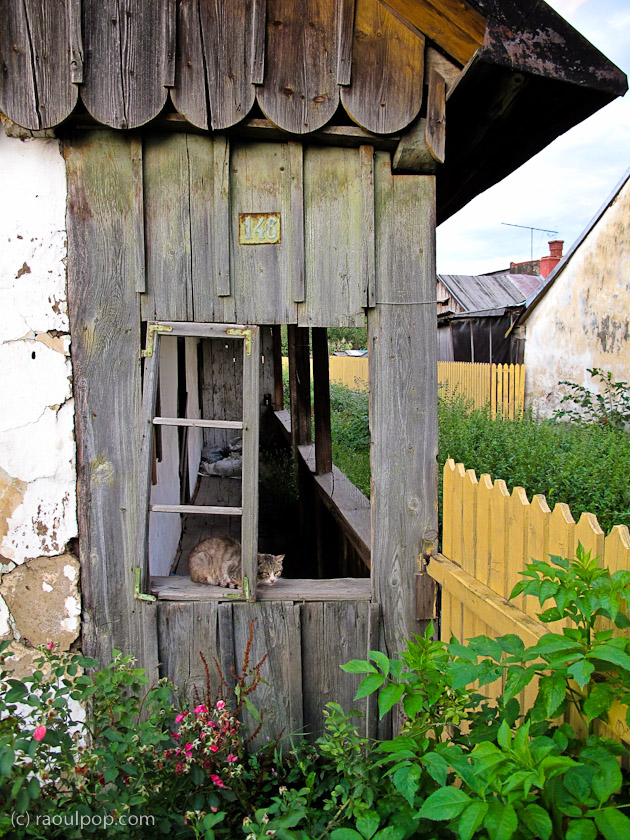
On the streets of Radauti

On the streets of Radauti

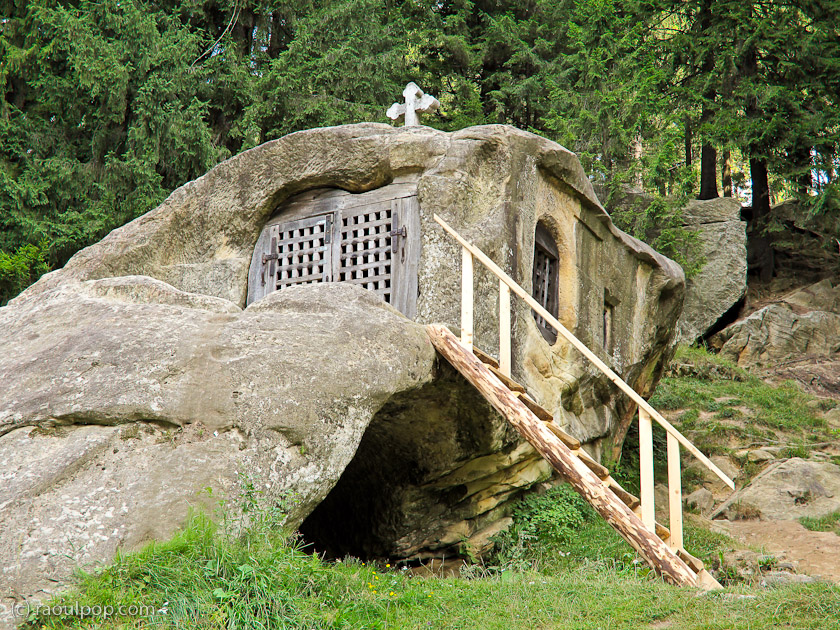
The next day, we visited the cave of a famous hermit called Daniil Sihastrul, who figures prominently in the history of the provinces of Moldova and Bucovina. He was the spiritual advisor of Stefan cel Mare, one of Romania’s great rulers.
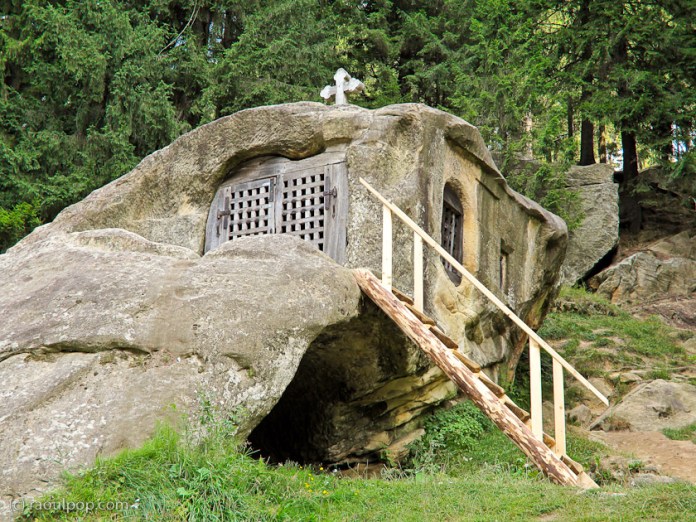
chilia-daniil-sihastrul-bucovina-3

Chilia lui Daniil Sihastrul

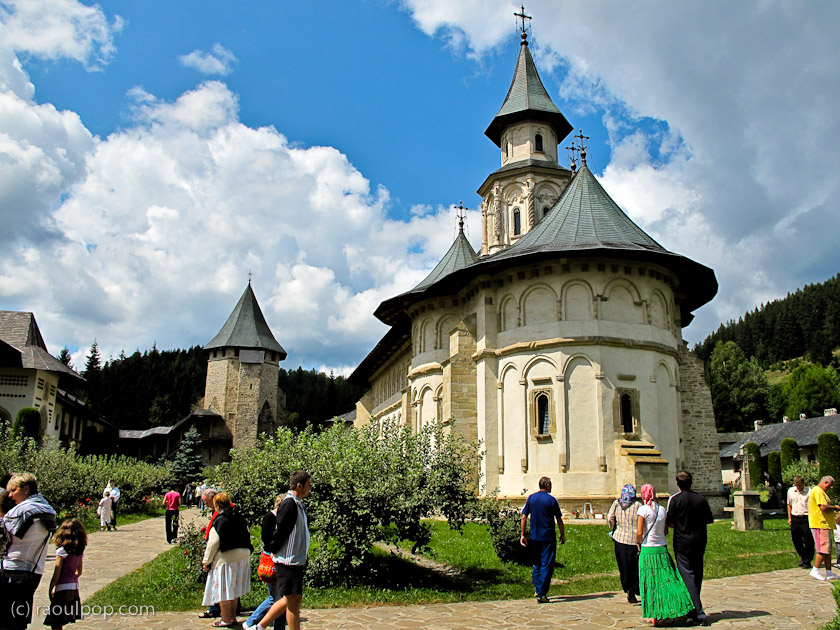
After that, we visited Manastirea Putna — an old and large monastery, built in the 15th century. It contains the grave of Stefan cel Mare inside its church.

manastirea-putna-bucovina-90

Manastirea Putna, Bucovina, Romania

Manastirea Putna, Bucovina, Romania

Manastirea Putna, Bucovina, Romania

Very near Manastirea Putna, you’ll find the oldest wooden church in Romania, called Biserica de Lemn “Dragos Voda”. It dates from the 14th century.

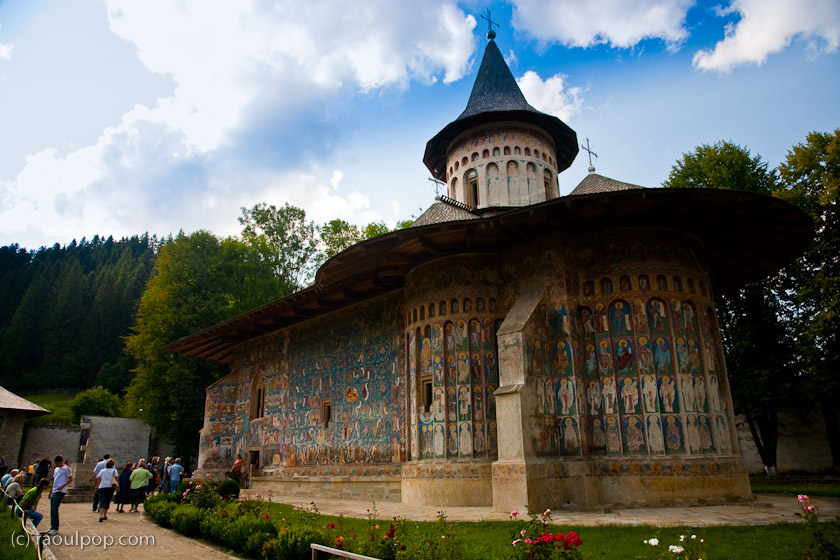
Manastirea Voronet was next. Historically speaking, it’s considered the most important example of medieval religious painting from the Moldova province. The exterior frescoes also distinguish themselves through a particular blue pigment that has withstood the passage of time particularly well.

manastirea-voronet-bucovina-19

Manastirea Voronet, Bucovina, Romania.
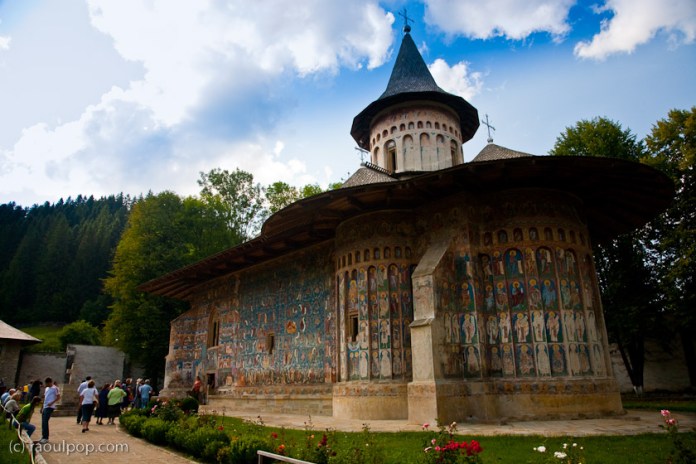
Manastirea Voronet, Bucovina, Romania

Manastirea Voronet, Bucovina, Romania

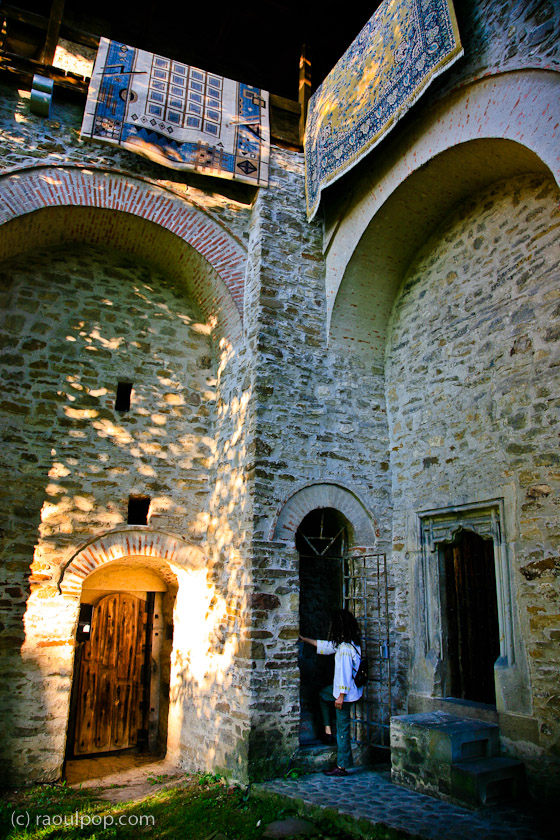
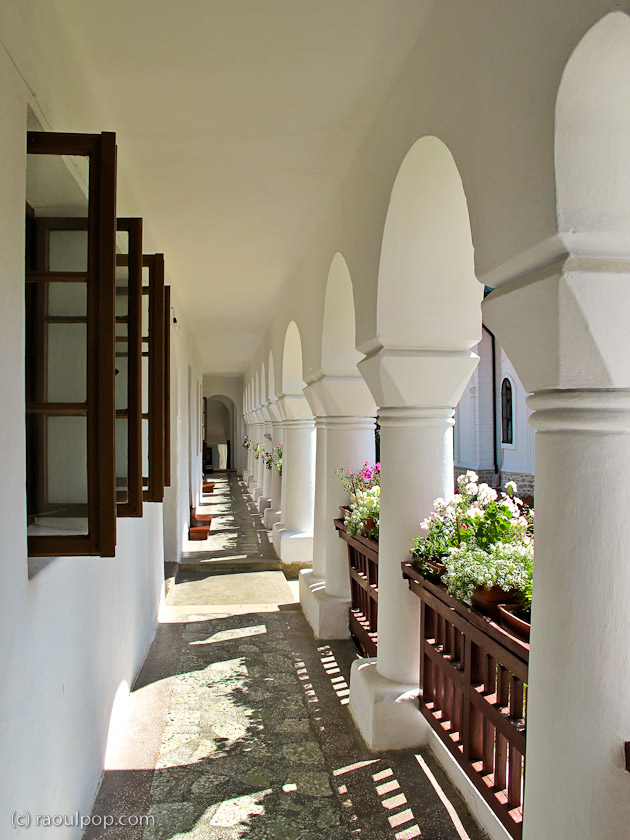
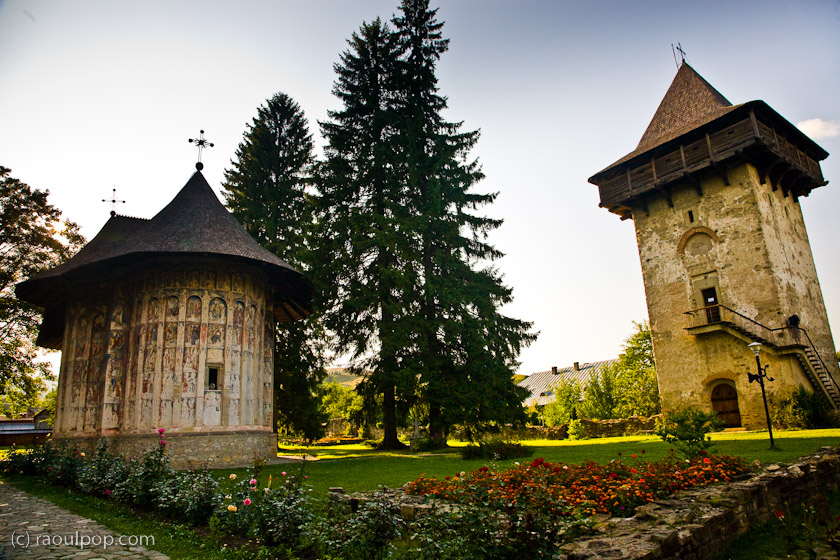
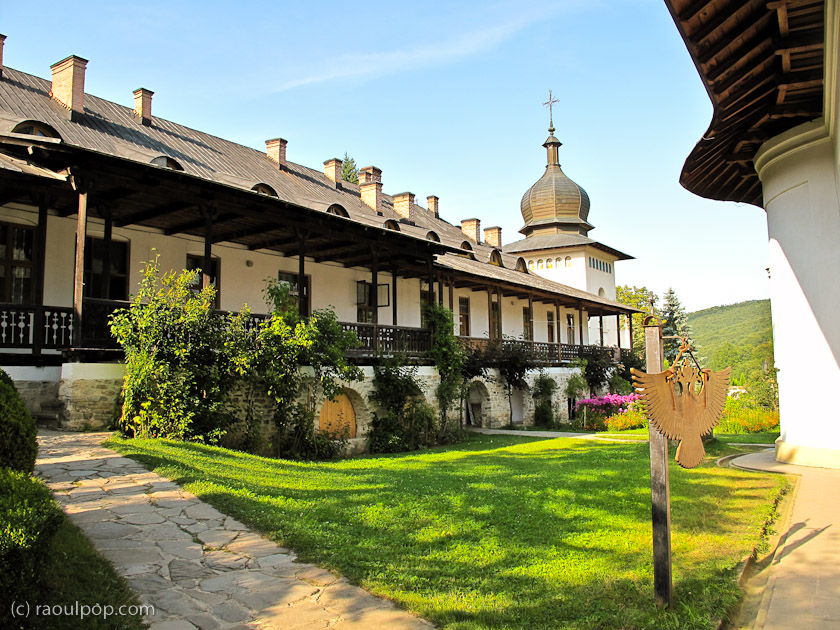
The last monastery we saw that day was Manastirea Humorului, which Ligia and I both liked very much. Perhaps it had to do with the way the sun’s rays fell on the buildings and gave them a golden hue, perhaps it had to do with the air, which was cleaner than in other places. All I can say is that we liked it.

manastirea-humorul-bucovina-58

Manastirea Humorul, Bucovina, Romania
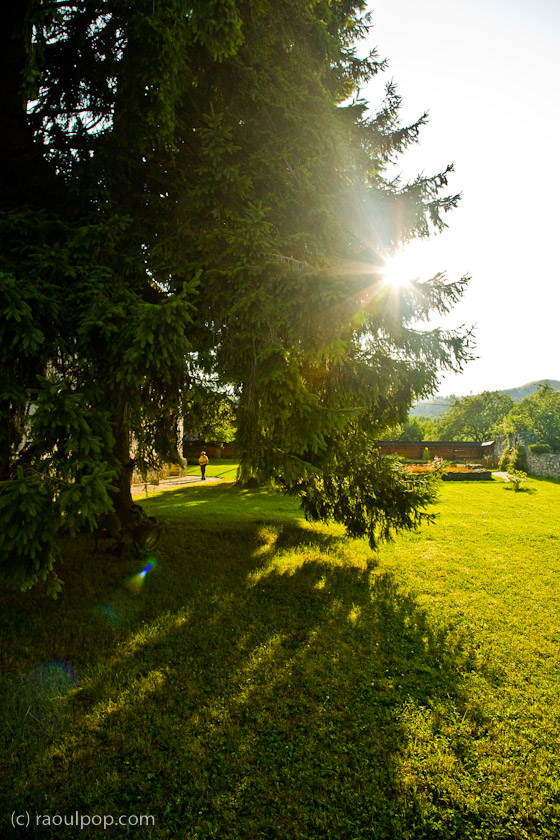
Manastirea Humorul, Bucovina, Romania

Manastirea Humorul, Bucovina, Romania

In the market near the monastery, artisans sold traditional handmade linen shirts, called ii. Each shirt takes anywhere from 1 week to 1 month or more to make, by hand. Ligia, my parents and I all bought several ii for each of us. They’re incredibly beautiful, and perfect for summer wear. Linen is wonderful to wear when it’s warm, because it airs much better than any other material, allowing the body to stay cool.

Handmade linen shirts, Gura Humorului, Bucovina, Romania

Handmade linen shirts, Gura Humorului, Bucovina, Romania

We didn’t want to chance sleeping at another place that night, so we headed back to the David House pension in Radauti. The next day, we visited Manastirea Arbore, which is not currently used as a monastery, but as a church. It is also undergoing renovations to the interior, but its interior frescoes are incredibly beautiful, and unlike many I’ve seen, have a more real feel to them.
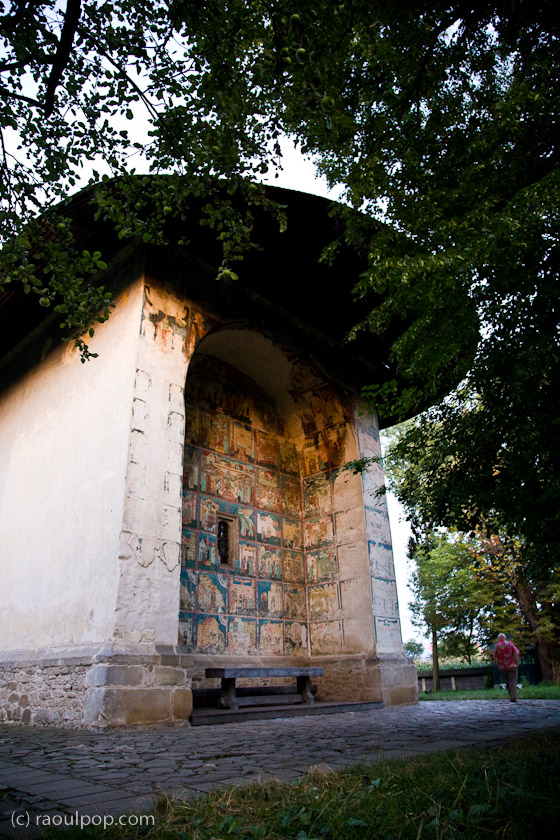
Manastirea Arbore, Bucovina, Romania
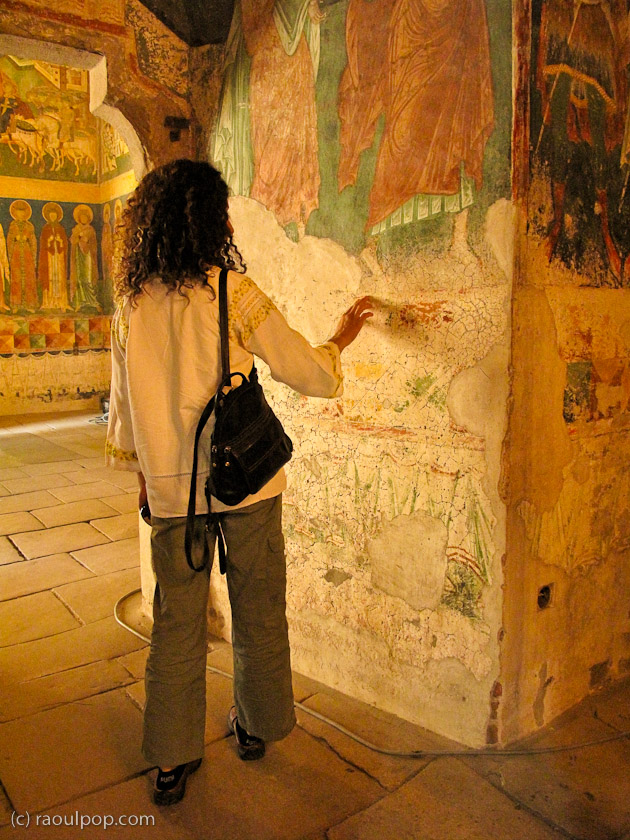
Manastirea Arbore, Bucovina, Romania

Manastirea Arbore, Bucovina, Romania

Manastirea Arbore, Bucovina, Romania

Near the village of Arbore, where the monastery resides, there’s a forest of tall conifers which begins as a sort of park on the main road but extends up the hillside and continues into a full-fledged forest beyond.
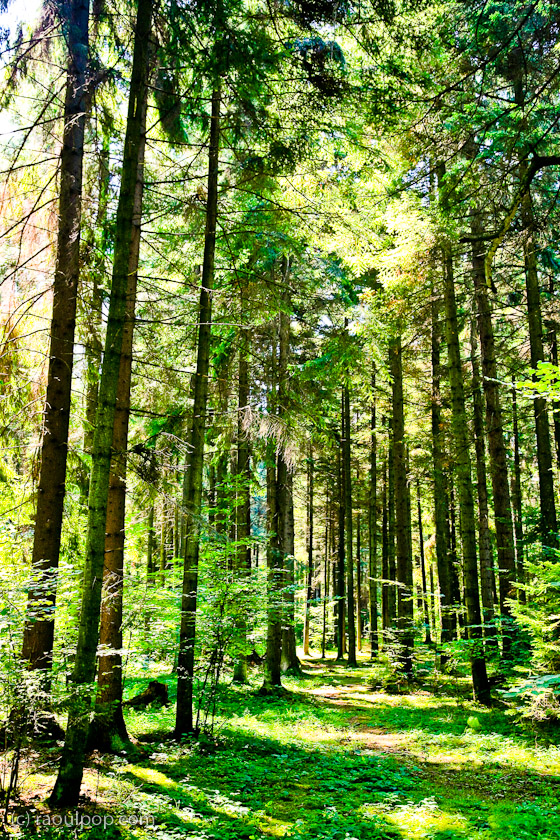
Walking in a conifer forest

Walking in a conifer forest

From there, we headed toward Suceava and the famous fortress where many rulers defended their country against foreign invasions. On the way, we stopped on a particularly scenic hilltop where a farmer’s family was harvesting hay. You can see them in the lower right corner of the photograph below.

Gathering hay in Bucovina
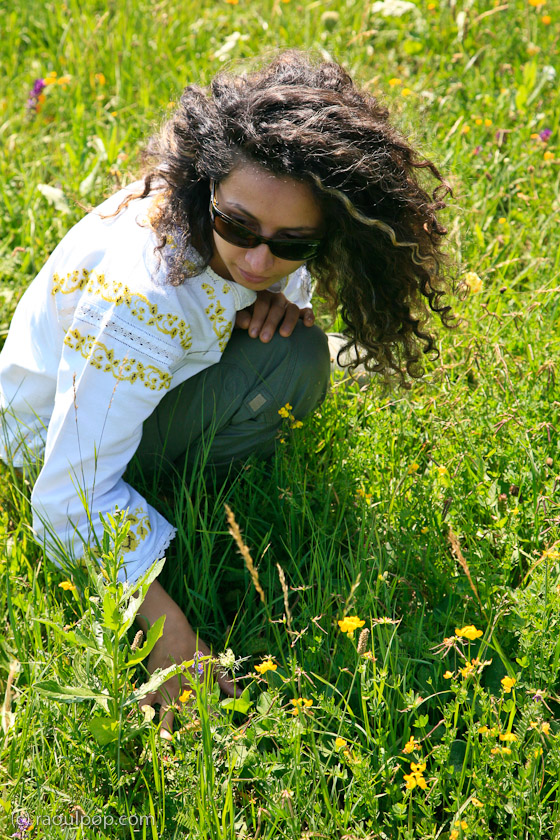
Gathering hay in Bucovina

Ligia picks wildflowers

Ligia picks wildflowers

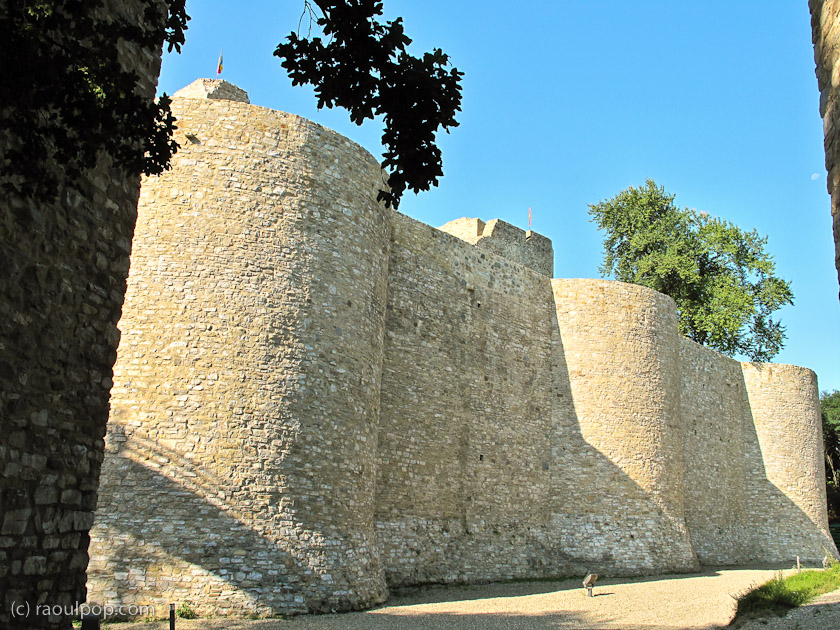
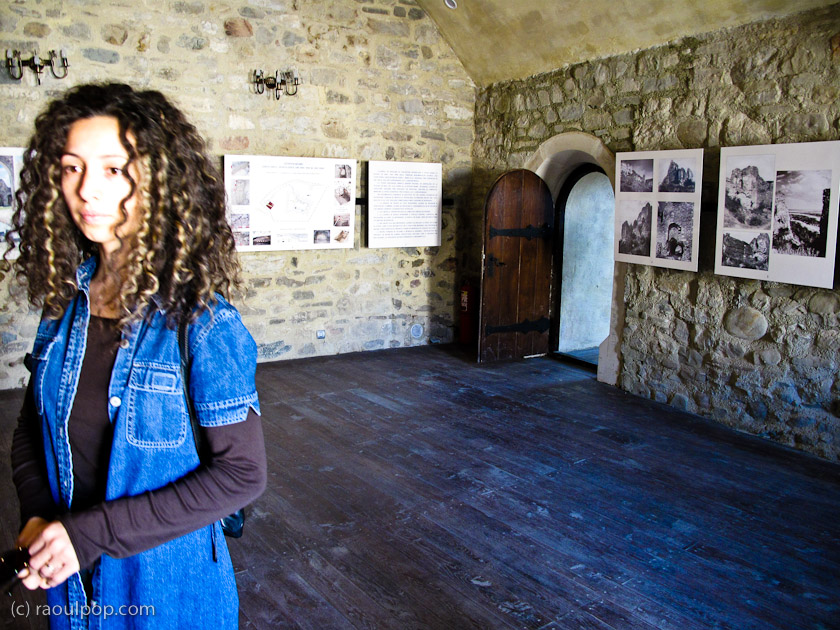
The official name of the fortress in Suceava is Cetatea de Scaun, translated roughly as the Castle of the Ruler. It is named so because Moldavian voevods considered it their capital, so to speak. They had other castles where they lived and ruled, but returned to Suceava for the important periods of their rule.

cetatea-de-scaun-suceava-64

Cetatea de Scaun la Suceava

Cetatea de Scaun la Suceava

Cetatea de Scaun la Suceava

Cetatea de Scaun la Suceava

The last stop that day was at Manastirea Dragomirna and a nearby hermitage. Dragomirna’s architecture is wonderful, and the monastery’s renovation efforts really show. The place looks great, and is being actively used by nuns.
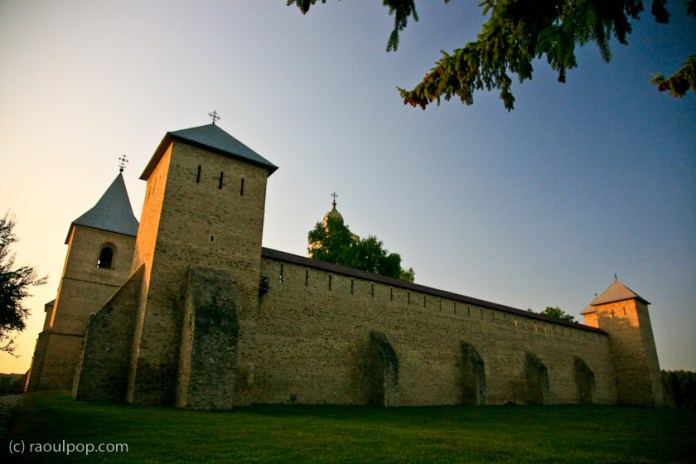
manastirea-dragomirna-bucovina-30

Manastirea Dragomirna

Manastirea Dragomirna

Manastirea Dragomirna

That night, we were unfortunately unable to find suitable lodging. Every place we found was 3 stars or below, and out of sheer desperation, around 11 pm, stopped at a pension on the outskirts of Tg. Neamt. It was a decision we regretted as soon as we began to unpack our bags, but the deed was done. The next morning, we went on our way with bleary eyes to visit Cetatea Neamt, a famous historical fortress located in that city. Here, recent renovation efforts (completed in January 2009) had also paid off handsomely. The place looked great, and it was a real treat to be able to visit many of the castle’s rooms — something that was impossible at Cetatea Suceava, which was in tatters, with all its upper floors destroyed by the passage of time.

Cetatea Neamt
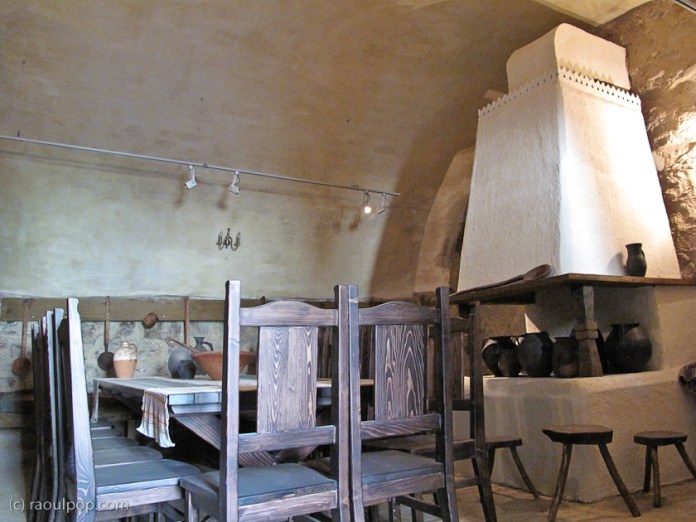
Cetatea Neamt
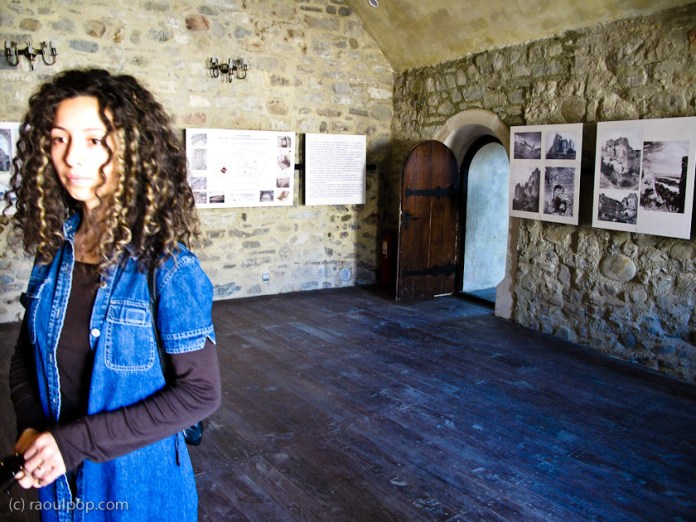
Cetatea Neamt

Cetatea Neamt

Cetatea Neamt

Cetatea Neamt

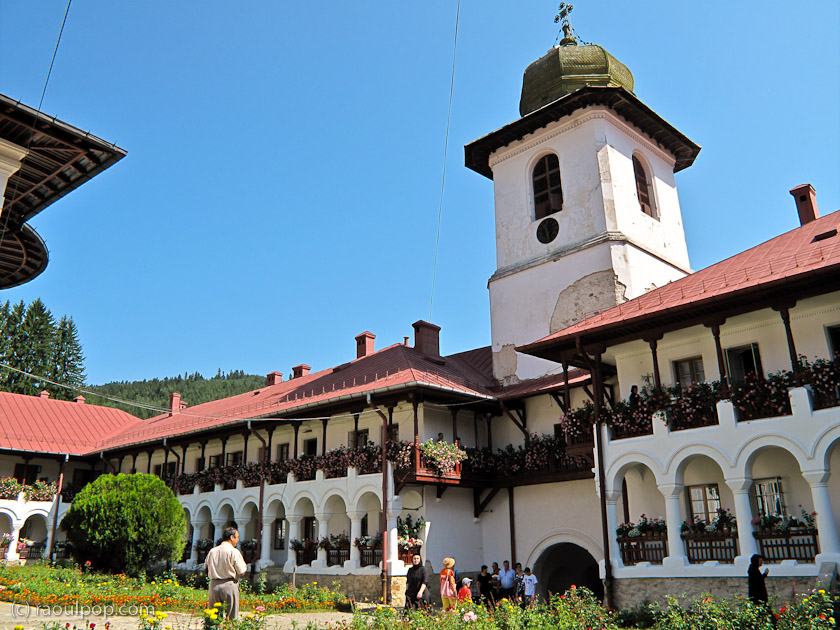
Manastirea Agapia was next. It’s run by nuns, and it’s got an interesting setup. The cells of the nuns are spread through the village surrounding the monastery instead of being concentrated within. The monastery itself is famous for its interior frescoes, done by the famous Romanian painter Nicolae Grigorescu. The monastery is also infamous in more recent times for the renovation work done to the cells of the nuns by Diekat, a Greek construction company. They used green, untreated wood, which through their shoddy workmanship, was exposed to the elements over the winter and developed a fungus that caused several nuns to fall seriously ill. They charged 2 million Euro for the work, never finished the job, and were never held accountable by anyone for their crimes. [source] May God punish them to the fullest for what they’ve done.
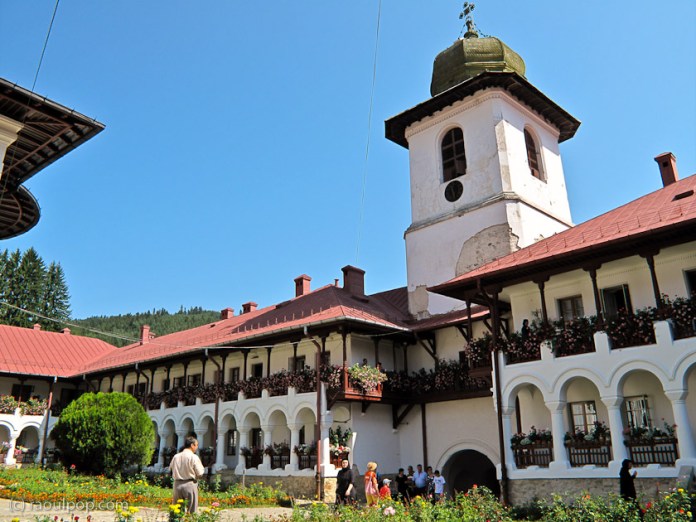
manastirea-agapia-bucovina-73

Manastirea Agapia

manastirea-agapia-bucovina-66

Manastirea Agapia

Manastirea Varatec, nearby, is also a nice place to visit. It’s of more recent origins than Agapia and others we visited.

Manastirea Varatec

Manastirea Varatec

Manastirea Varatec

Manastirea Varatec

Manastirea Varatec

Manastirea Varatec

After lunch in town, we moved on to Manastirea Neamt, which is the ruling body for all monasteries in the provinces of Bucovina and Moldova.
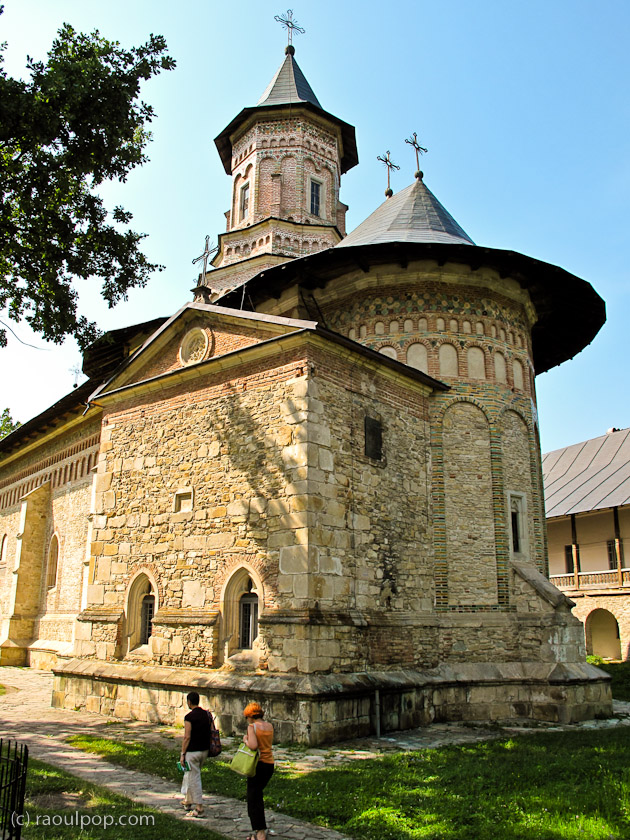
Manastirea Neamt
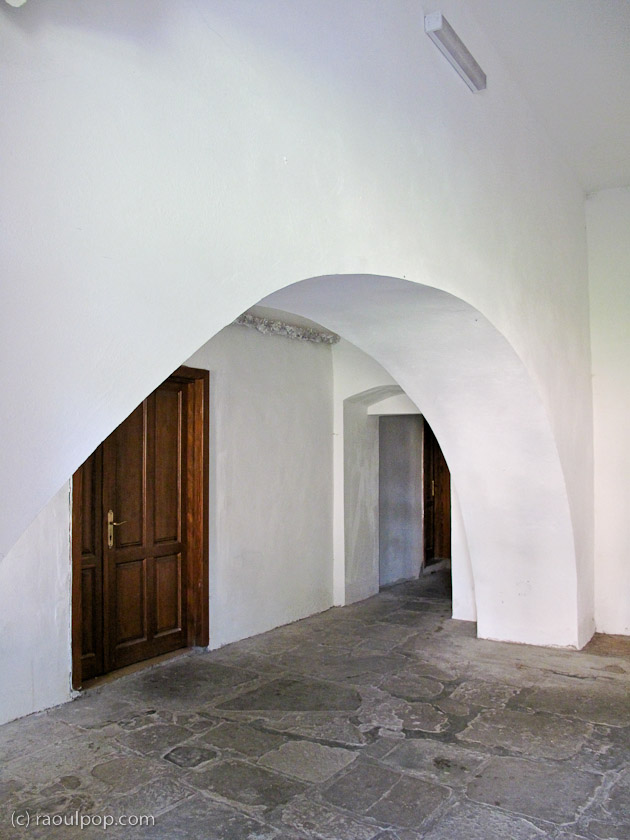
Manastirea Neamt

Manastirea Neamt

Manastirea Neamt

The monastery has a somewhat unusual feature: an ossuary where certain of the bones of the more notable monks are kept. Their skulls are inscribed with their names, a detail or two about their lives, and their year of death. This is one of them.
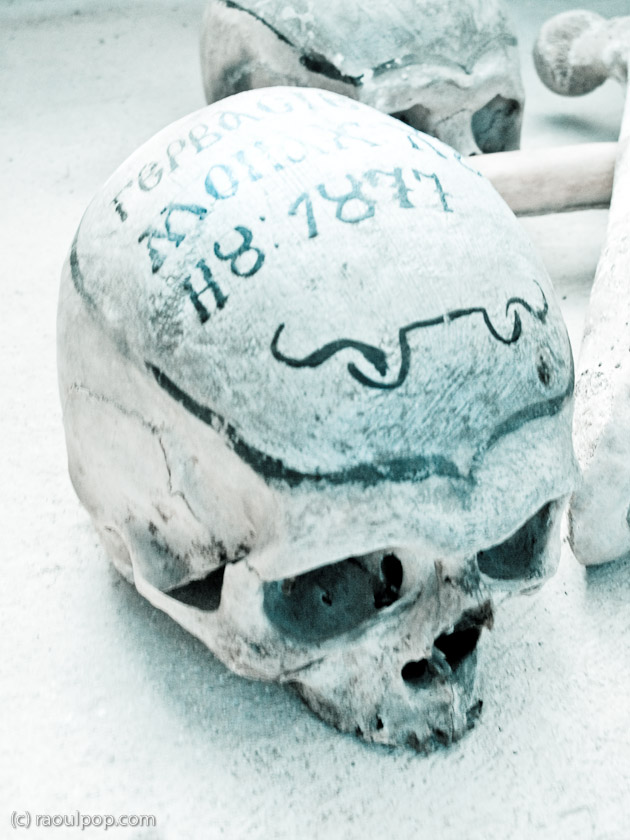
Manastirea Neamt

Manastirea Neamt

While on the road to Manastirea Secu and Sihastria, we found a nature preserve for aurochs, also known as European bison. These are the ancestors of our domesticated cattle, or so the story goes. I wanted to get some up-close photos, but the aurochs (known as zimbri in Romanian) weren’t cooperative. They insisted on resting on a muddy cliff well removed from me and my camera, as it was a hot afternoon.

Rezervatia de Zimbri si Fauna Carpatina "Dragos Voda"

Rezervatia de Zimbri si Fauna Carpatina "Dragos Voda"

The last two monasteries were a daze for me. We’d all seen a few too many for such a short time, but since we’d planned to go, we went, by golly…

Manastirea Secu

Manastirea Secu

Manastirea Secu

Manastirea Secu

Manastirea Sihastria

Manastirea Sihastria

Manastirea Sihastria

Manastirea Sihastria

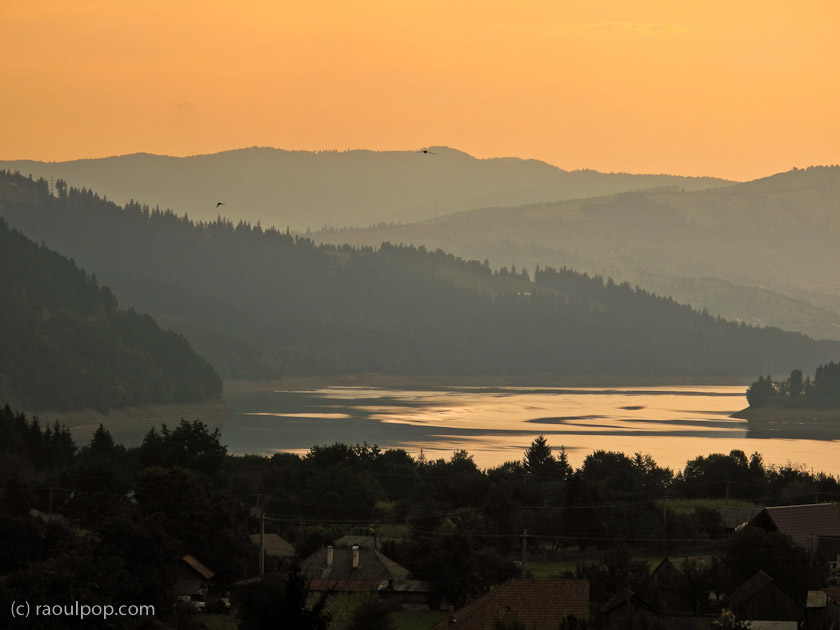
We were incredibly exhausted after this short and intense trip, and rushed to find lodging for the night. Again, everything was booked, so we kept driving on, hoping against hope to find some 4-star pension or hotel before nightfall. Finally, we did. It was a place called Vila Ecotour, in the village of Ceahlau, near Durau, on the shores of Lacul Bicaz. The pension was perched on the slope of a tall hill and had amazing views of the village, the lake and the adjoining mountains. What a wonderful location!

On a slope overlooking Lacul Bicaz, in Ceahlau
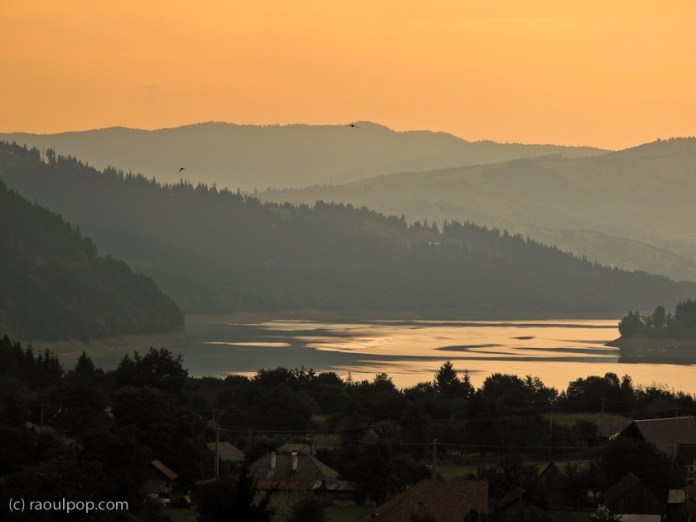
Dawn on Lake Bicaz

Dawn on Lake Bicaz

The last day was spent making our way back to Baia-Mare, still tired, sick of driving, but richer for having seen and experienced such natural and man-made beauty.

I plan to post more photos from each place we visited in separate articles, so stay tuned for that.

Standard
How To

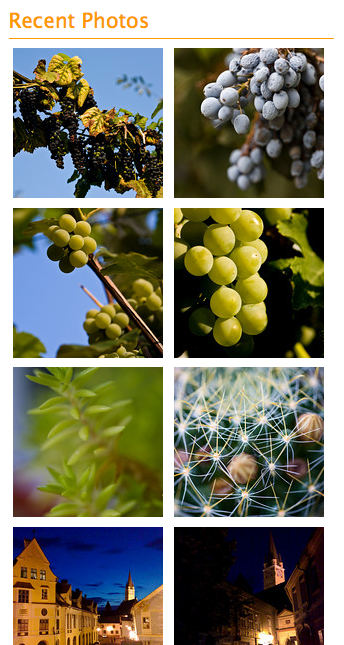
How to display recent photos from your SmugMug feeds

I was asked by a reader (Andrew M.) how I display the most recent photos from my SmugMug galleries on my home page. He was aware that I use the SimplePie plugin for WordPress, but wasn’t sure how to get the same look when starting from scratch.

Before you read any further, keep in mind this is a very specific tutorial about WordPress, SimplePie and SmugMug. It has other applications, like for other image feeds and with some code tweaking, for other blogging platforms, but if you want to do those things, then Google is your friend.

recent-photos-screenshot

The thing that makes things a little complicated in my situation (as opposed to other image feeds) is the somewhat non-standard structure of the SmugMug feeds. For one thing, they don’t provide a URL for the image thumbnail where you’d expect it to be, and for another, they provide the image description instead of the image title. (To check this, mouse over a SmugMug thumbnail, and you’ll see the description pop up over the image.) But as long as you’re willing to dig into the feed code and find the names for the fields you need, then you can plug that info into SimplePie and go from there. Thankfully, I’ll do it for for you below. Lucky you.

Just a quick general disclaimer before I start though: I don’t do handholding. I’ll provide the instructions for how I did it. But in the unlikely event that things still don’t make sense to you, do me a big favor and read the SimplePie Manual, before you ask me questions. I did it and it helped me work things out. It should do the same for you if you use a little elbow grease. Thanks.

Okay, onto step 1: find the SmugMug feed URI. SmugMug provides several feeds for each user account. Go to the bottom of your gallery page and click on the Available Feeds link to see all of them. We’re going to use the Recent Photos Atom feed. In my case, it is:

http://www.raoulpopphotography.com/hack/feed.mg?Type=nicknameRecentPhotos&Data=raoulpop&format=atom10
smugmug-available-feeds

Step 2 is creating an Images Only template for SimplePie. If you’re not sure what this is, you need to read through the SimplePie documentation. The location where you need to place the new template is:

[WP Install]/wp-content/plugins/simplepie-plugin-for-wordpress/templates/

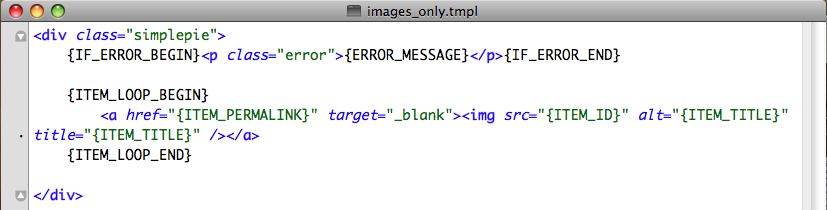
This is not arcane info, btw. It’s provided in right on the SimplePie general settings page, which is what I’ll talk about in Step 3 below. Now let’s talk about what you’ll put in the template file. This is where the digging through the feed code part comes in. I kept things simple, and this is what my images_only.tmpl file looks like.

simple-pie-template-files

images-template-code

As you can see, the code is minimal, which is the way I like things. I am specifying a simplepie class in the code, but as you can see from my CSS file, I’m not styling the div in any way. I’m letting the rest of the CSS code and the other divs handle the way the images flow within this particular section.

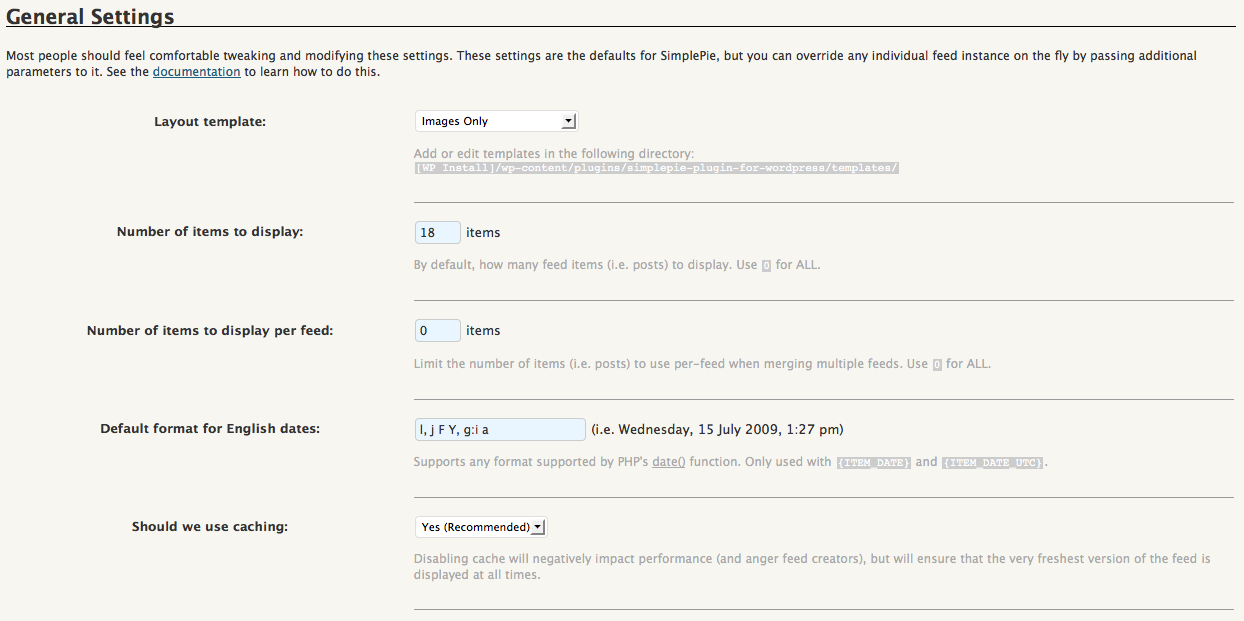
Step 3 is adjusting the general settings for SimplePie. Now that we’ve created an Images Only template, we need to let SimplePie know that it should use it. Go to the WP Admin Panel and locate the SimplePie settings. Match my settings as you see them below.

simple-pie-rss-general-settings

I’m telling it to pull the latest 18 photos. You may find you need to pull less or more. It’s really up to you. Use the caching option, it’s faster, but know that you’ll need to create a cache directory where SimplePie can store the images. It’ll walk you through it when you say Yes, and you may need to adjust privileges on the server side. Check out this chmod tutorial from WordPress if you’re not sure how to do that.

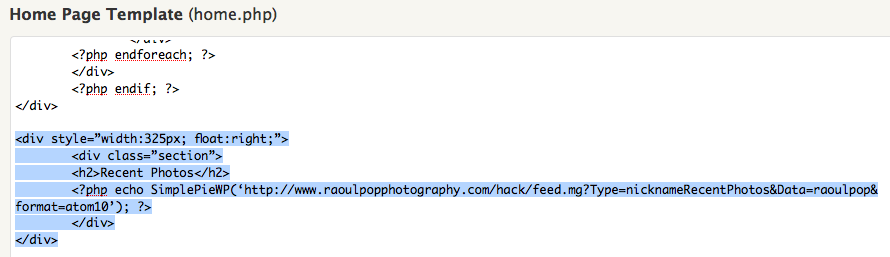
Step 4 is placing a code snippet on the home page. Now that you’ve gone through all that fun, you’ve got to wrap things up. Go to your home page template in WordPress, and where you want the images to appear, place the following code snippet — it’s what triggers SimplePie to pull your SmugMug photos feed and display the feed items how you want them, in accordance with the code in your Images Only template.

home-page-simple-pie-codeSee the highlighted text, but you only need to worry about the php code line. The rest is my own code that specifies the div and section styles. Use your judgment about how to style the thumbnails, and how you want them to display. It may take a bit of trial and error until you get it right, but if you persist, it’ll look good in the end.

Hope this helps!

Standard
How To

Get the tiltshift look right from Adobe Lightroom

If you use Adobe Lightroom and want to apply a tiltshift effect to your photos, you can spend hundreds of dollars on expensive Photoshop plugins, or you can do it for free, with an Adobe AIR app called TiltShift.

If you’ve used TiltShift before, you know you can open any photo in it and apply tiltshift effects to it, but did you know you can do this right from Lightroom? Here’s how.

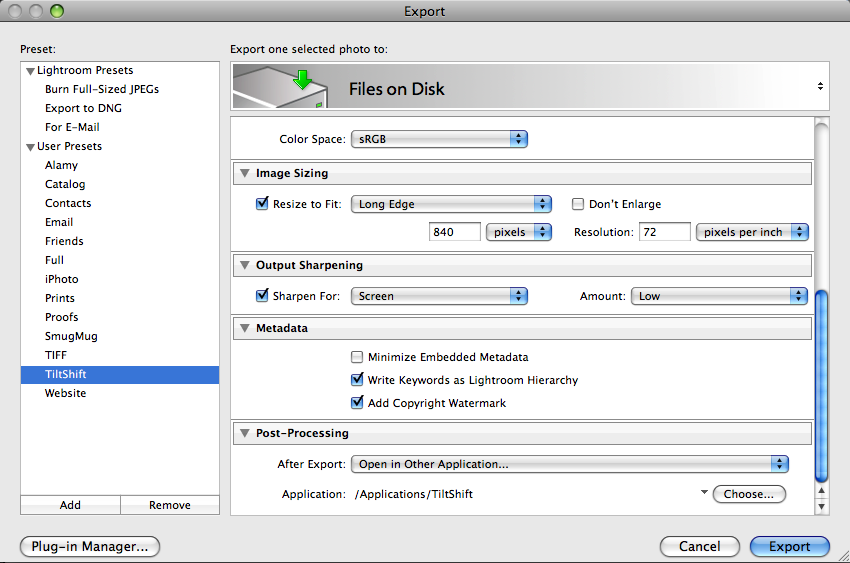
In Lightroom, open up the Export window and add a new Export Preset. See the screenshot below. I called mine TiltShift, so I can easily remember it. Adjust any of the settings, like color space, sizing, sharpening, etc. They don’t really matter, although it’s better to keep the image smaller so TiltShift can work faster with it.

The really important option is in the post-processing section — the very last one in the Export window. There, you’ve got to make sure you tell Lightroom to “Open [your photo] in Other Application…”, then click on the Choose button and browse to find the TiltShift app. This is pretty much it.

lightroom-tiltshift-setup

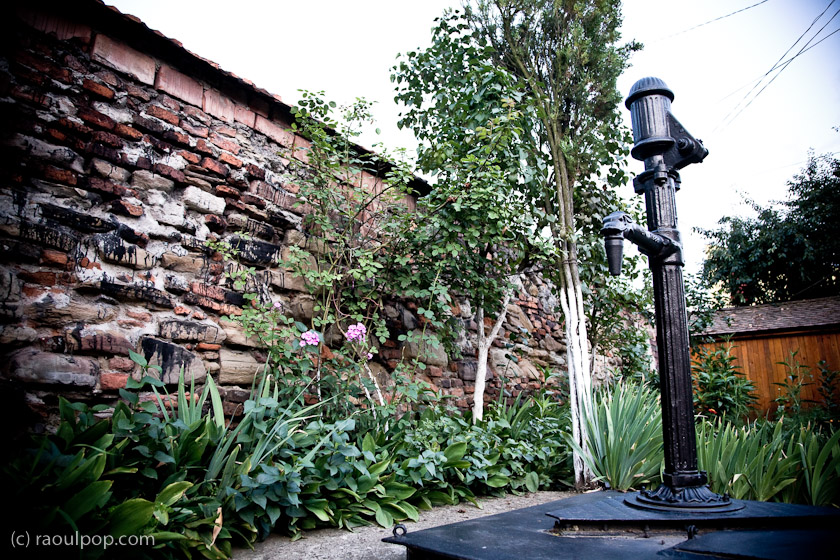
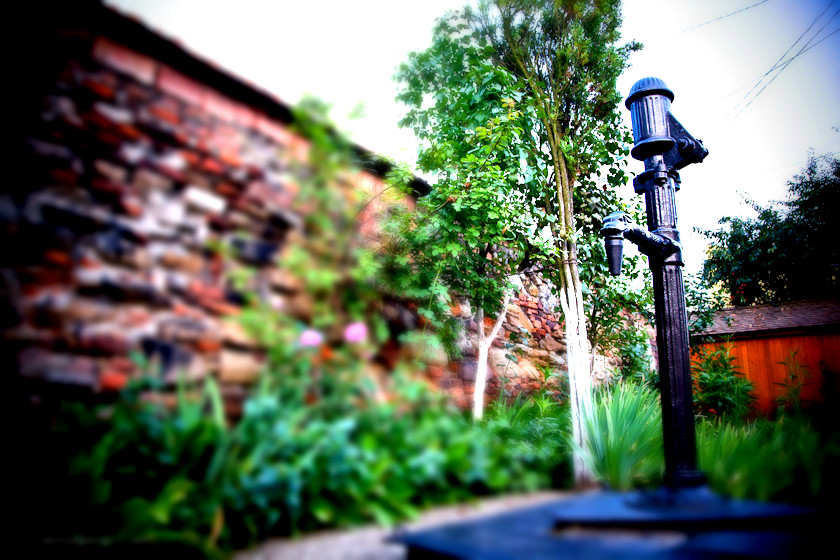
Lightroom will automatically pass your image to TiltShift, which will open it and allow you add tiltshift effects to it, to your liking. For example, I initially processed this image of a medieval water pump found on the streets of Medias, Romania, in Lightroom.

The old water fountain

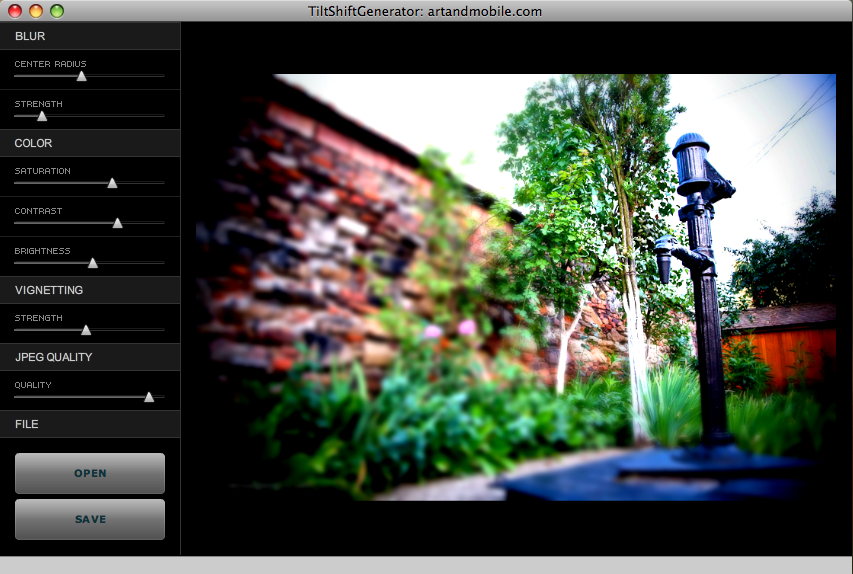
Then I exported it into TiltShift using the export preset set up as described above, and adjusted the settings there to get the effect I wanted. This is how the controls and the image looked inside TiltShift.

tiltshift-screenshot

Once I did that, I saved the photo and uploaded it here. This is how the final image looks.

water-fountain-tiltshift

It couldn’t be easier, and again, let me remind you TiltShift is a free app.

[TiltShift home page] [Download TiltShift]

Standard
Reviews

Create tiltshift photographs on Mac, Windows and Linux, for free

Takayuki Fukatsu has created a free Adobe AIR app called TiltShift, which runs on any OS that supports AIR (namely Mac, Windows and Linux). It will allow you to easily apply tilt-shift effects to any photograph. Best of all, the price is right: it’s free. Even if this app cost $10 or $20, I’d still rather buy it than some Photoshop plugins that cost hundreds of dollars and do pretty much the same thing.

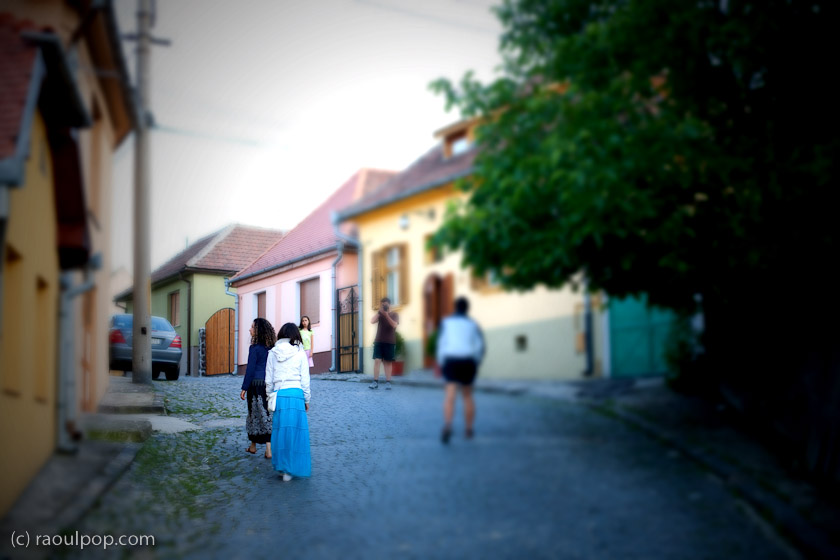
In less than a couple of minutes, I was able to open a photograph of my wife and niece, walking on the streets of Medias, Romania, and add tilt-shift effects to it. Here’s what it looks like now.

Ligia and Laura

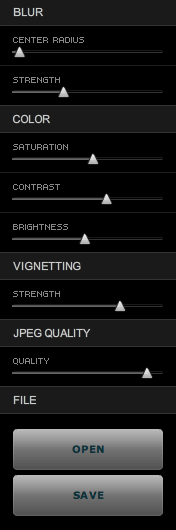
Sure, the tiltshift effect isn’t what you’d get with a LensBaby or with a real tilt-shift lens like the Canon TS-E 24mm f/3.5L (or any of the other professional tilt-shift lenses made by camera manufacturers), but still, it’s better than no effect at all, and it’s free. TiltShift’s controls are really slider-based and really easy to use. You’ll be making tiltshift photos in no time flat. Give it a go and see how you like it.

tiltshift-controls

I mentioned TiltShift initially in one of my Condensed Knowledge posts, back in May.

[Download TiltShift]

Standard