Places

The Watergate Hotel and the Kennedy Arts Center

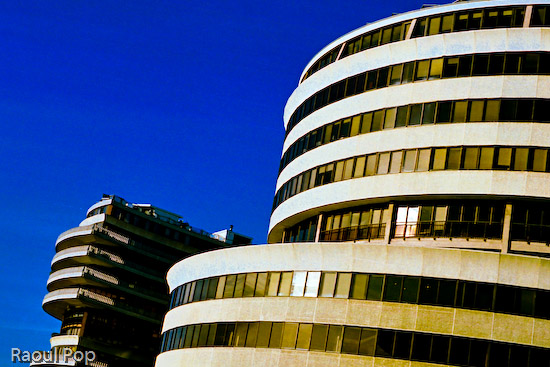
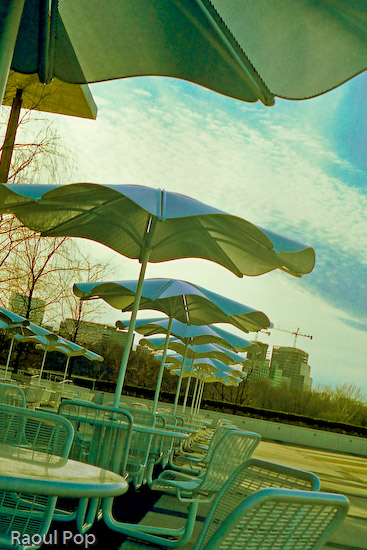
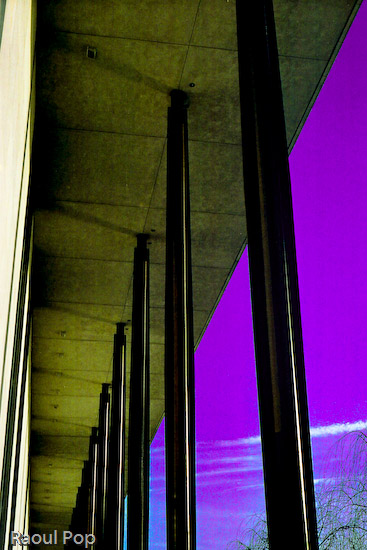
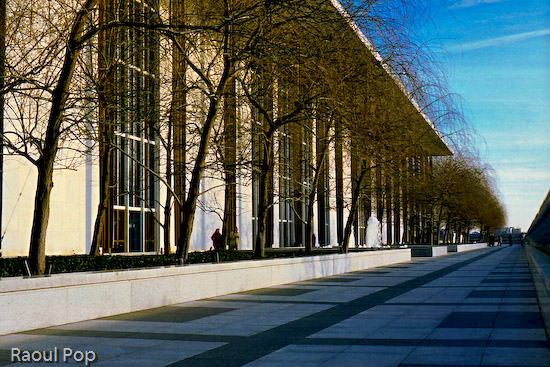
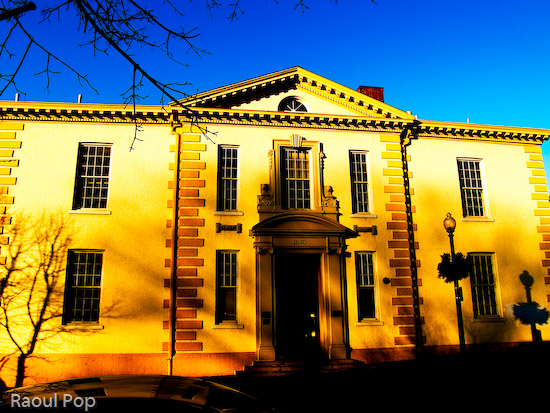
Back in February, Ligia and I plus good friends of ours took a photowalk through downtown DC. Our objectives: the Watergate Hotel and the Kennedy Arts Center. I used my Exakta EXA Ia to take the photographs. It was a lot of fun to use it, as always. I still love to shoot on film, even though it’s fairly expensive and time-intensive to get the photos in digital format. I say expensive because I’m used to shooting a LOT. I’m not satisfied with a few photos. I use up rolls of film during a session. Then I have to develop them and spend hours scanning them in. It takes about two hours to scan 24 exposures at the quality I want. And then I spend extra time editing them. But the results are worth it, and of course, the experience of using a fully manual, quality-built, metal camera like the Exakta is a treat in itself.

Here are a few photographs from that photowalk. We started down by the marina, walked up the street alongside the Watergate Hotel, then passed the Saudi embassy (which is quite an ugly building btw) and crossed the street to reach the Kennedy Arts Center. It was a cold, windy day and we froze, but I really like the photos I got, so it was worth it.
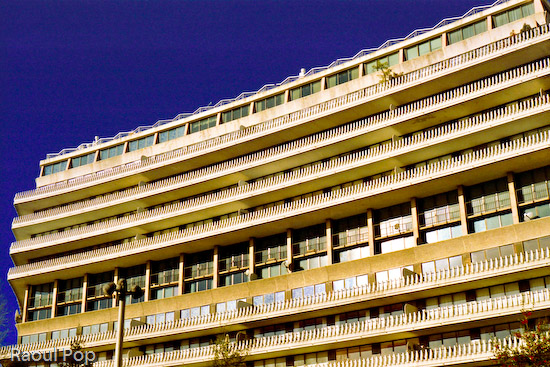
The Watergate Hotel

Political rhythm

Change of historical perspective

I see, you see, we all see

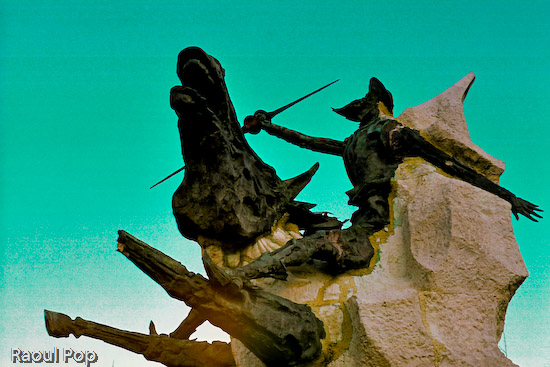
A modern interpretation of Don Quixote adorns the front of the Kennedy Center, and may I say what an ugly beast it is… Looks like whoever designed it was out to scare people, not inspire them.
He’s at it again

A clear day

Sit, sip, stare

Do, don’t talk

To scale

The day ended with a beautiful sunset over the Potomac River.

Potomac sunset

Standard
Places

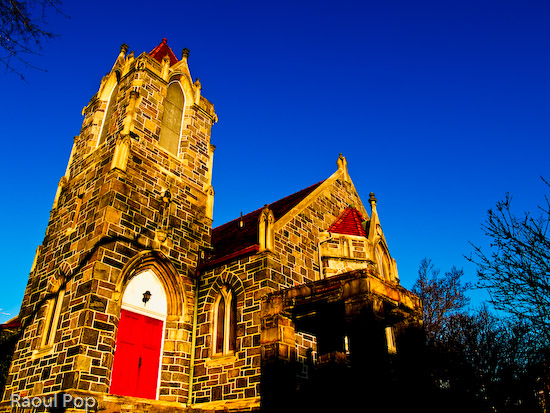
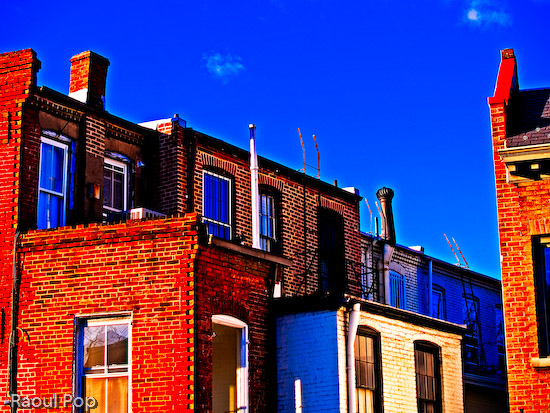
A walk through Georgetown

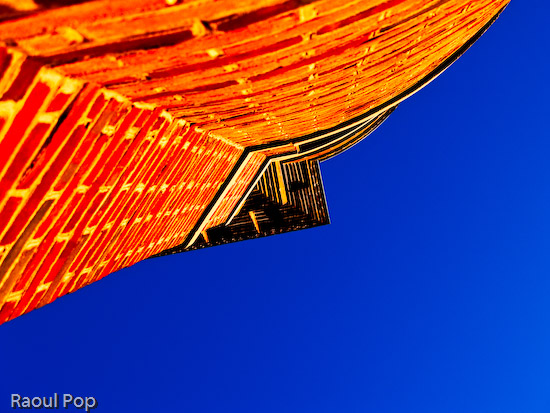
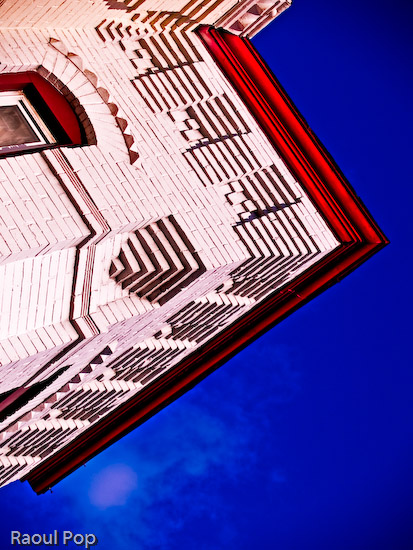
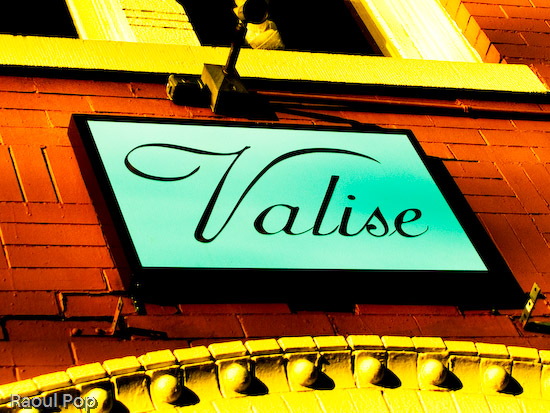
I’m almost done post-processing a series of photos I took during a walk through downtown Georgetown back in February. I used my new WCR (wide color range) method as I worked on them.

The day of the photo shoot, it was a blisteringly cold winter morning, and even though Ligia and I were both bundled up, we froze to our very marrow. If there’s one improvement I could suggest to the EXIF data currently stored inside photos, it’s that it also store the outside temperature, including the wind chill factor. I think that would really help put a photo in perspective. But I digress…

In spite of the cold, I had a wonderful time, taking photos left and right. Ligia, not so much. She just froze and tried to put on a happy face in spite of the cold. She’s so sweet! She was basically there for my support, because she knows photography makes me happy. We walked up and down Wisconsin Avenue, which cuts right through the heart of Georgetown and goes all the way down to the Potomac River.

Georgetown is a wonderful little neighborhood, and its quaint, colorful architecture is what sets it apart from everything else around. It has kept that spirit of the late 1800s, and most of it is still composed of beautiful little townhouses, each adjoining the other but separated from it by color and design. I’d love to be able to photograph all of it and publish all of the good photos online. Because it’s somewhat small, I think that goal is attainable in the near future.

Tall tower

Church

Corner

Red lipstick

Valise

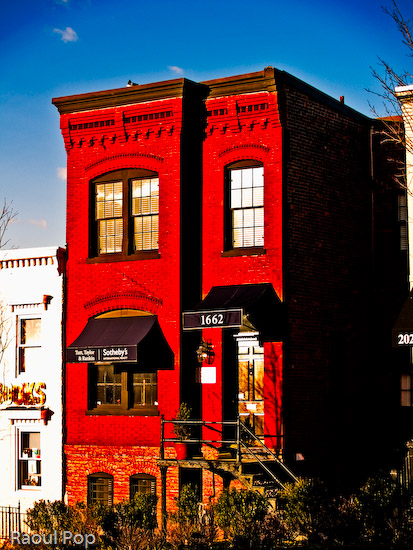
Sotheby’s

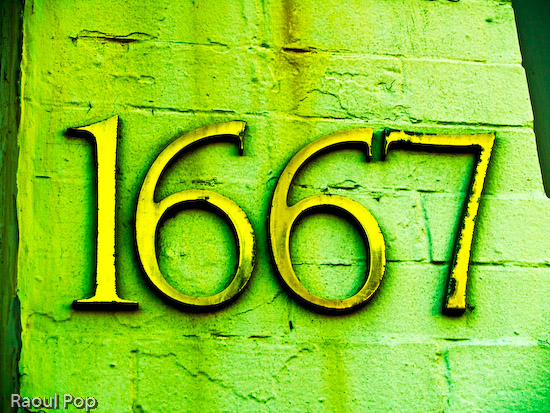
In 1667

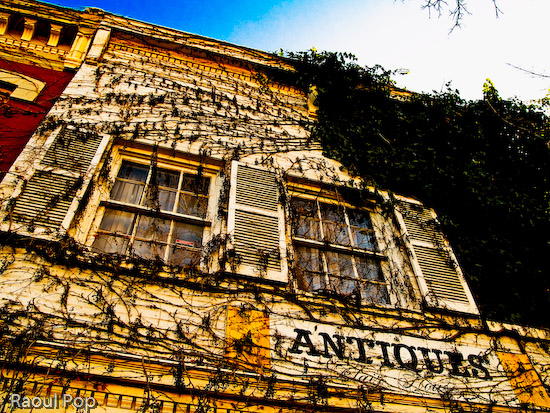
Antiques

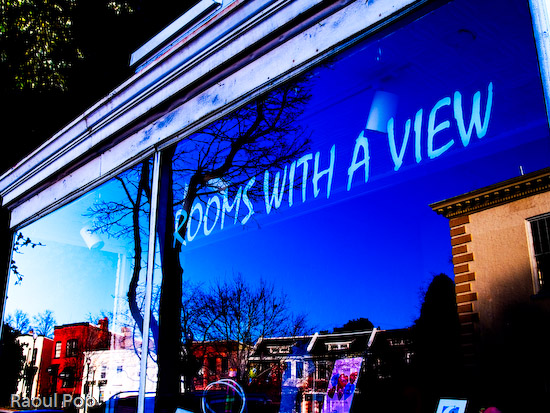
Rooms with a view

1640 Wisconsin

Bedroom windows

Standard
Places

We walk across

Taken in Georgetown, DC.

We walk across

Standard
Places

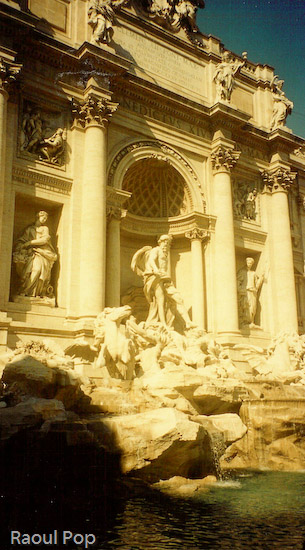
Photos from Rome

In March of 1999 I visited Rome. It was my first trip to Italy and I had a wonderful time. I stayed with my brother, who at the time was on a 3-year fellowship there to do research. He studies myths and religions and does comparisons between deities in various cultures. He also collects folklore: dying traditions and customs. Takes lots of photographs and films them as well. The latter part of his work is exciting. The former puts me to bed. Mille scusi, fratello!

Il mio fratello

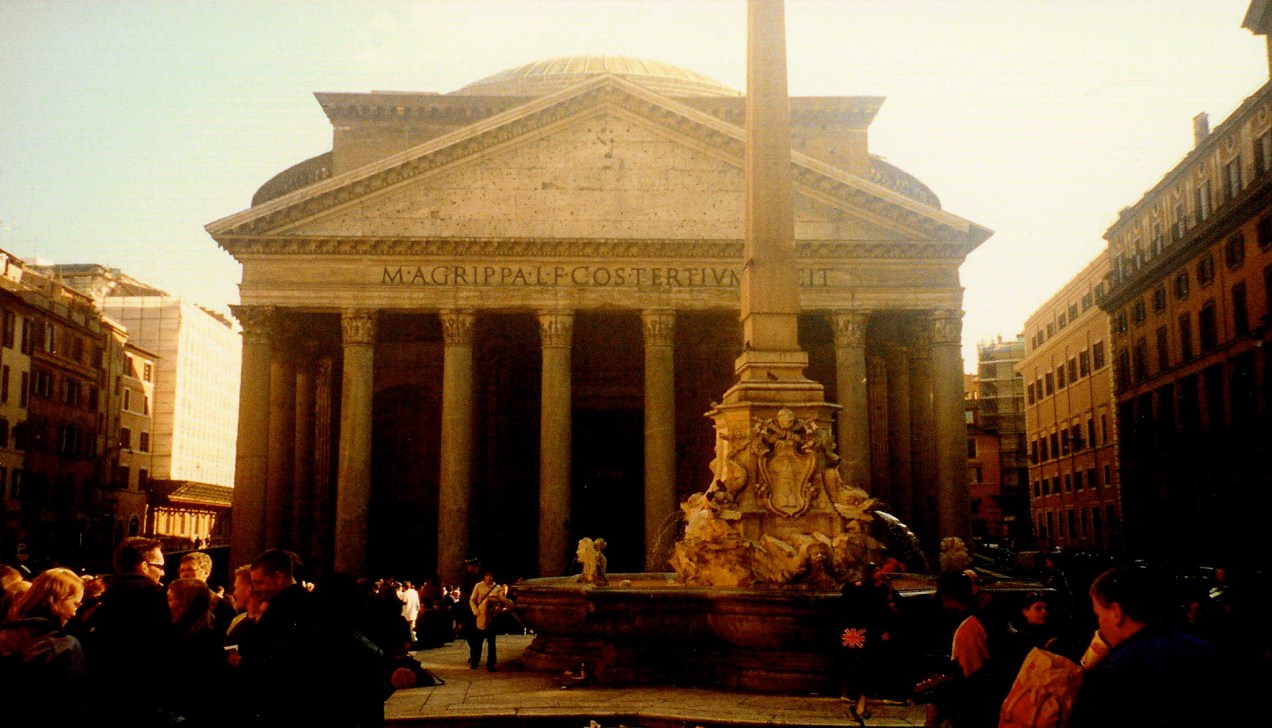
Anyway, I had the most wonderful time. Bogdan (my step-brother — he’s pictured above) had his nose buried in dusty books at various libraries in Rome, while I literally walked through the entire Rome on foot, taking photos with my trusty little Canon Elph and consulting the map here and there. The Canon has since become unusable, because APS film is no longer available, but it did help me preserve the wonderful things I saw. Over the years, the photos gathered some dust themselves in my closet, till I finally decided to scan and share them online. Since I don’t have a scanner that will work with APS film, I scanned the photos themselves. I realize that’s a real step down in quality, and given the age of the prints, it really shows, but the digitized photos still serve to convey the beauty and history of the place. Plus, the aged paper gave a nice Sepia effect to the photos that I’d be hard pressed to reproduce in Photoshop.

While I really enjoyed Rome, my experiences with Romans were mixed at best. And I had breathing problems there as well, due to the pollution. But none of that could eclipse the sense of wonder and discovery I had every day as I planned out where I’d go, then get there and take photos. Maybe I’m biased, but I find today’s architecture pathetic. It’s disposable, ugly, flimsy and imitative. Few and far between are the buildings that make a statement. Well, in Rome, as in most European cities, you’ll have no shortage of good architecture. I think that’s what makes them so beautiful.

Here are several of the photos I took during my trip.

Bask in the sun

Walk at night

Classically overdone

Farnese

All mixed up

Expansive

Strike a pose

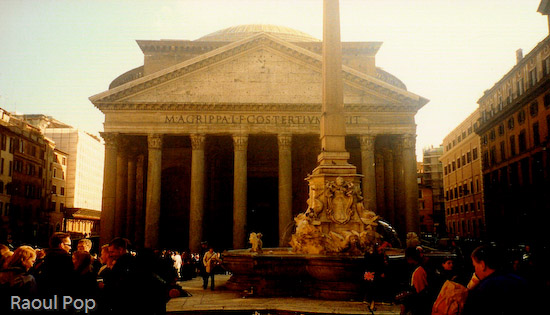
Pantheon

Center of attention

Piazza Venezia

Congregate

The plight of humanity


Standard
Places

Walking along the Constanta wharf

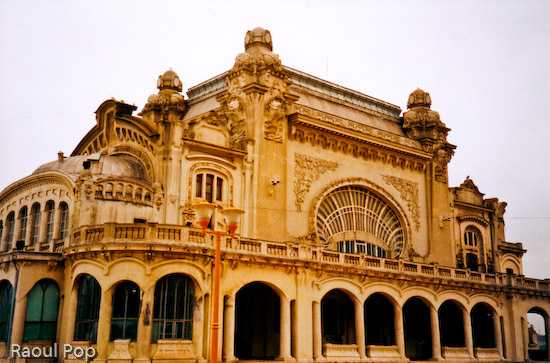
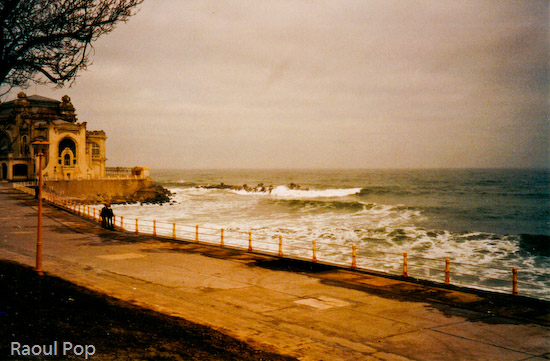
Constanta, located on the Black Sea, is one of the main cities of Romania. It’s a busy port, and a city with a lot of history. I guess its equivalent here in the States would be Miami. I visited Constanta with Ligia in April of 2003 and took some photos on the wharf, which is a pretty famous spot. It, and the Casino built on it, have been featured in several famous Romanian movies.

The building that now houses the Casino was planned and drawn by a Romanian architect, and built in 1909 in the Art Nouveau style. The architect’s wife drowned in the Black Sea, and he wanted to pay homage to her memory through the majestic building.

Casino Palace

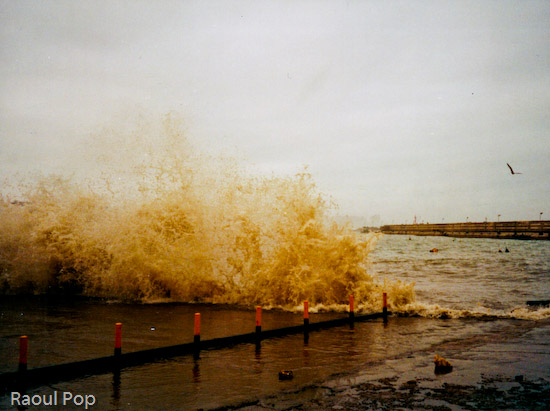
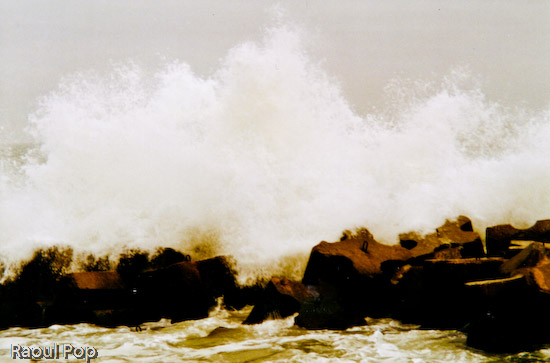
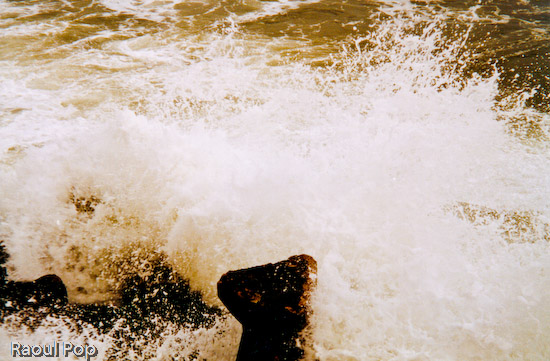
I’d walked along the same wharf as a child, with my parents, many years ago. Revisiting the spot was bitter-sweet, and the cold, damp spring day didn’t make it any sweeter. I’d watched the same concrete embankment as a child, and was fascinated by the fury of the waves breaking against it. That same embankment was still standing in 2003 — the very same stones — although they were now showing their age.

Waves splashing against the embankment

Embankment, embattled

A furious endeavor

Constanta wharf

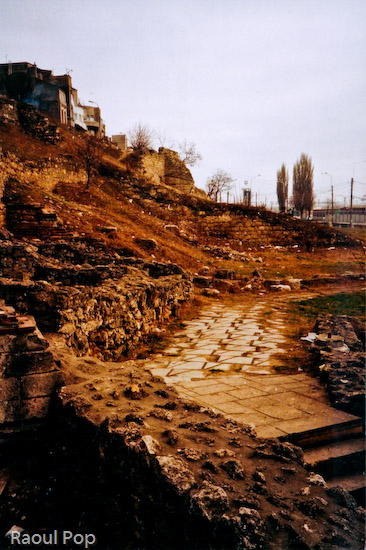
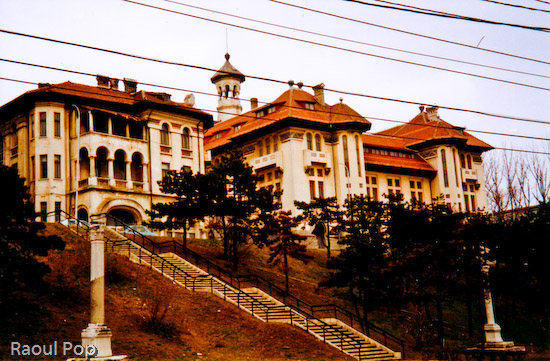
Before reaching the wharf, we walked along the main street that leads from downtown to the beach, and visited the ruins of an old Roman building which was probably a public bath house at some point. On the hill, homes of the old aristocracy stood as a reminder of Romania’s monarchic past. I for one miss the monarchy. With a king, you know who’s in charge and who’s to blame. Politicians blame each other, blame circumstances, lie and steal — it’s a circus, and no one is ever held accountable.

Ruins of a Roman building

Old aristocratic homes

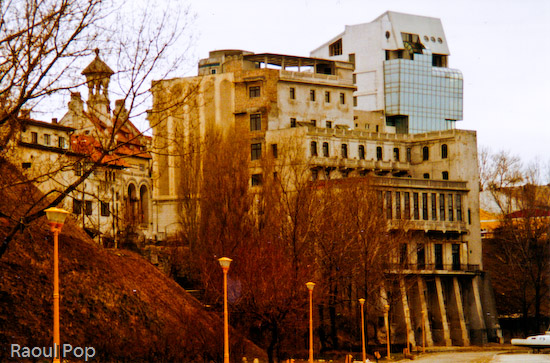
As we walked off the beach and back toward downtown, we saw this odd building, a mix of modern and old architectural styles.

City buildings

Standard