
Announcing a new YouTube playlist containing my animal videos, called Adorable Animals. Those of you who like animals will love it! Here are just a few of the videos you’ll see there:
Enjoy!
Announcing a new YouTube playlist containing my animal videos, called Adorable Animals. Those of you who like animals will love it! Here are just a few of the videos you’ll see there:
Enjoy!
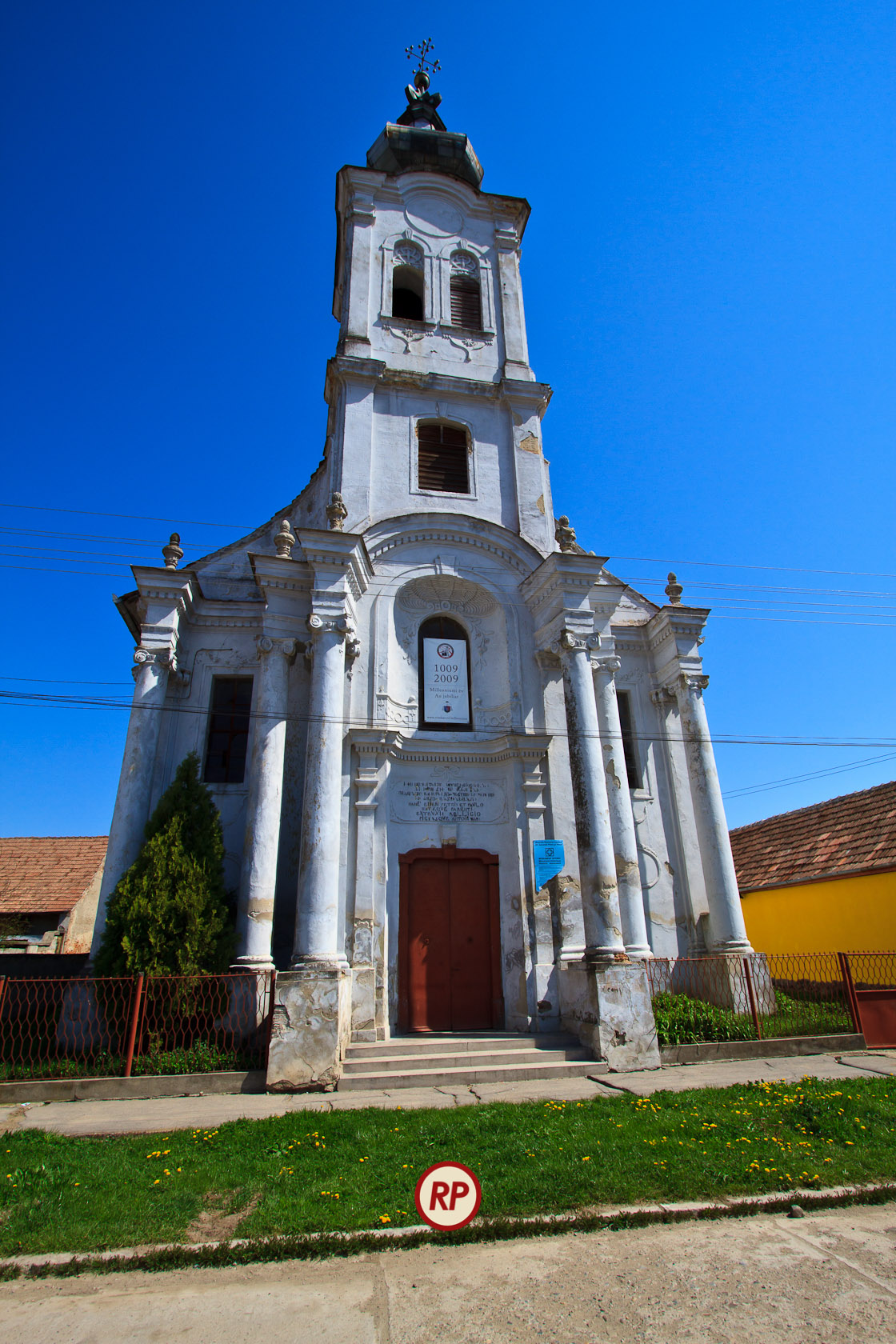
On a side street in Dumbraveni, Romania, in a neighborhood full of gypsies, you’ll find the city’s old Roman-Catholic church. It’s over 1,000 years old, and it’s not being properly maintained, as is the case with many of Romania’s historic buildings. Looking at the building itself, it’s hard to believe it’s stood there for a millenium, but there it is. Sure, there are architectural details which date the building, but it’s not imposing, certainly nothing of the scale of the Armenian-Catholic church just a few blocks away from it.

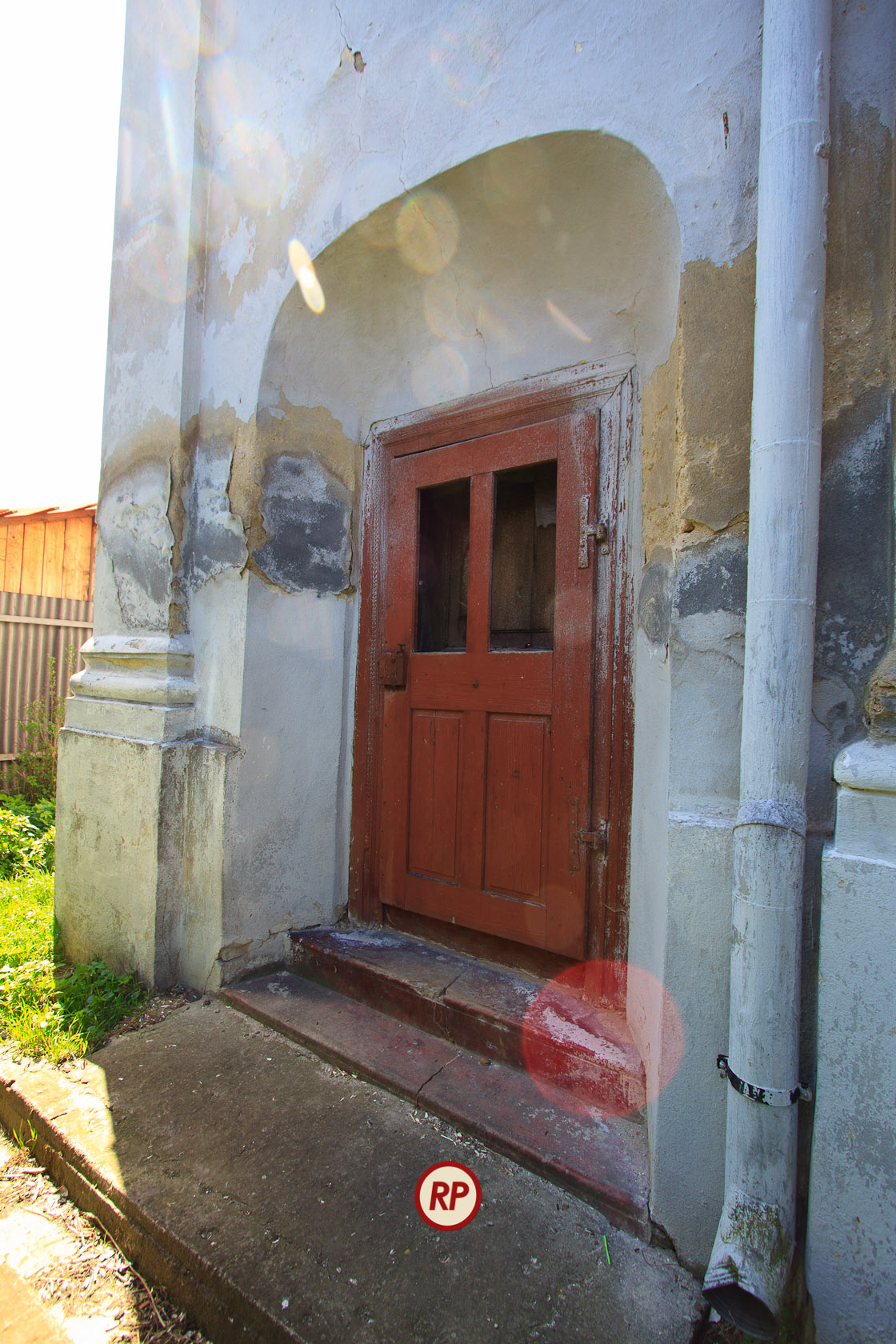
When we got there, it was locked up. The front door — now made of iron — was bolted. The sign marking it as an historic monument was torn. The back doors were nailed shut, and so were the windows. One of the doors was even walled in.

I walked around the building, trying to avoid human feces that marked the grass courtyard, and noticed that even though the cellar doors were nailed shut, I could pry one of them ajar and squeeze through.
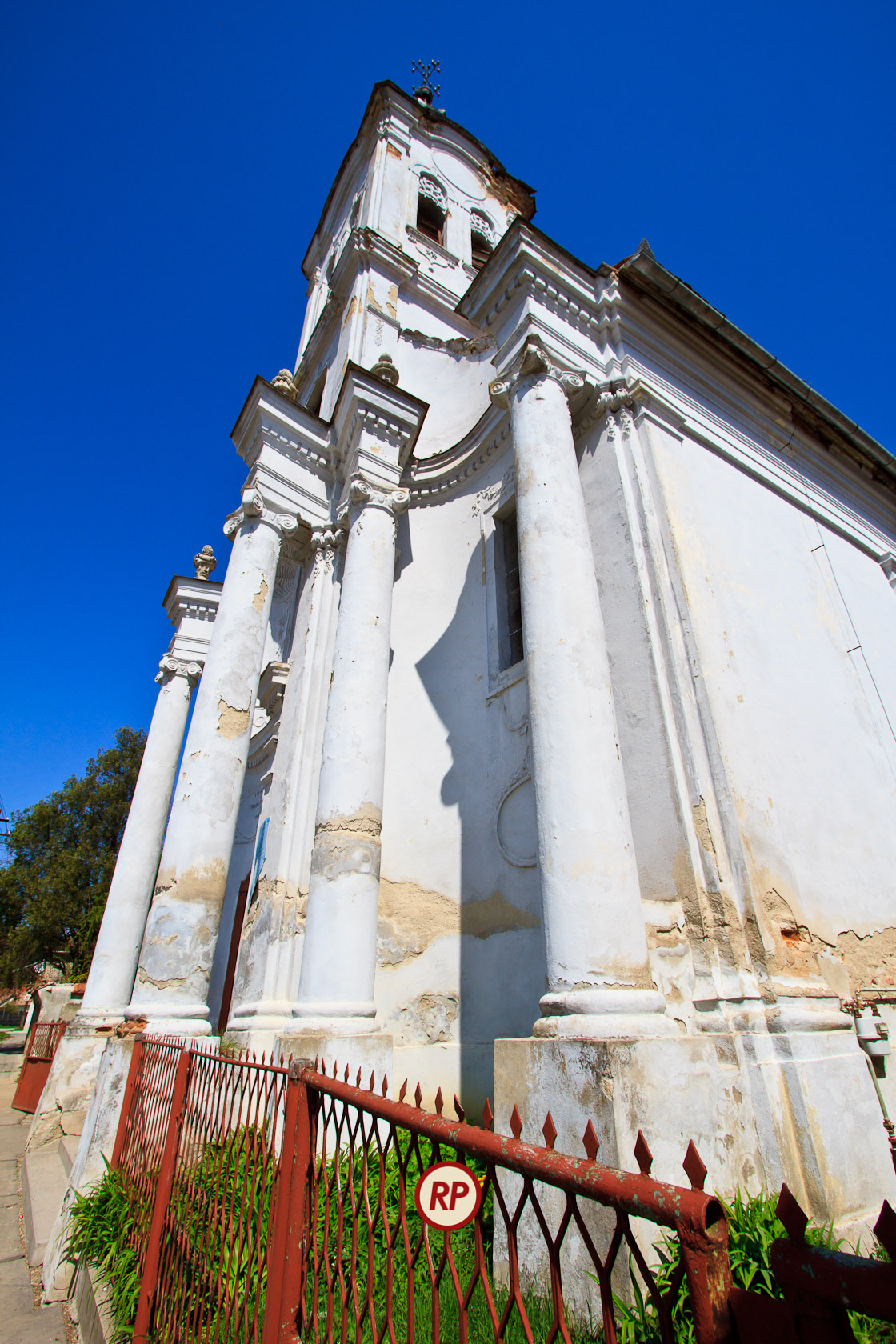


My sense of adventure got the better of me, and I went ahead. I grabbed a little LED flashlight from the car, and headed inside. It was clear the vaults underneath the church had been looted and vandalized, numerous times. There were countless footsteps in the sand, and trash left there by hooligans. Important architectural details, like the columns you see in one of the photos, were either shattered and on the floor, or downright missing.


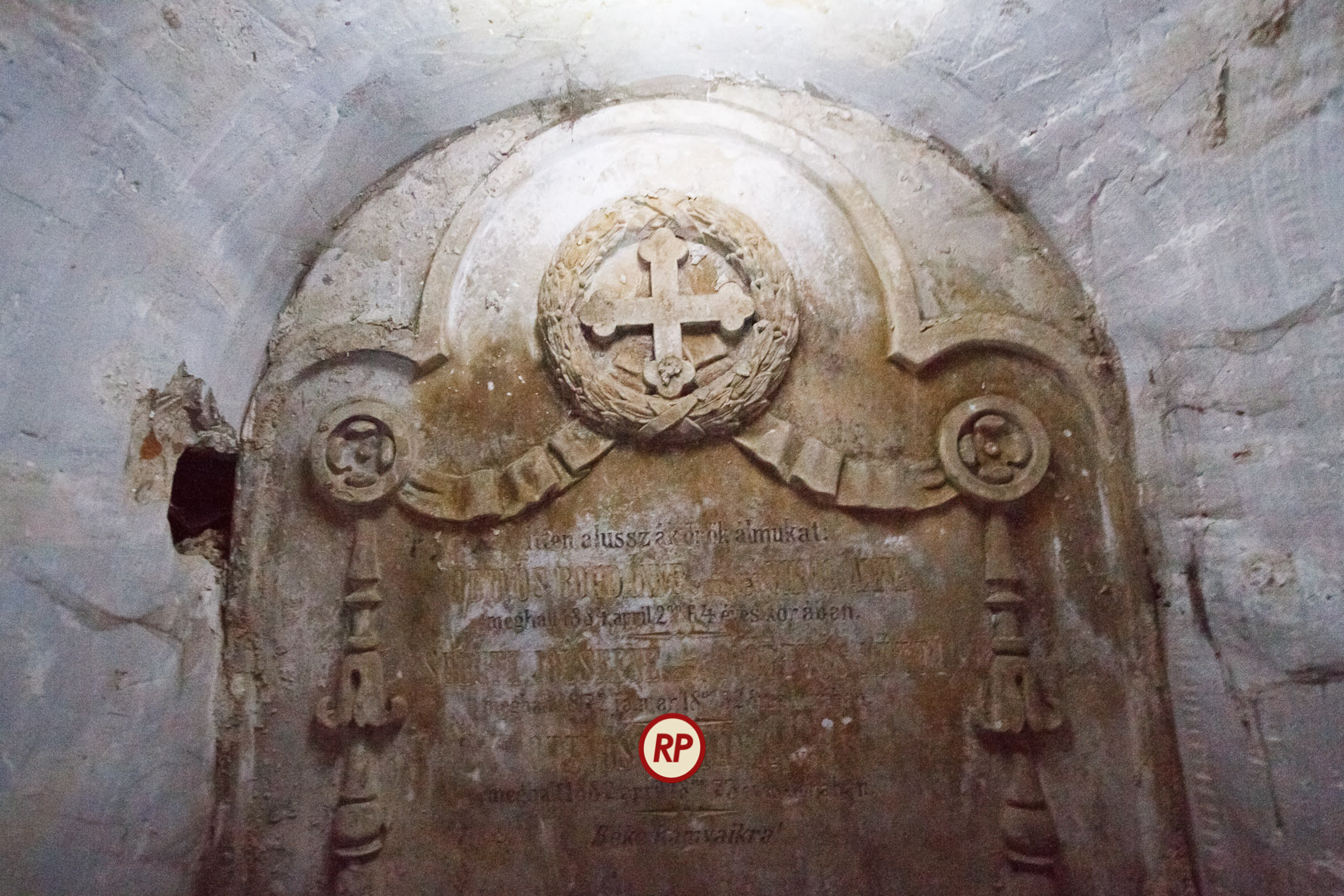
The grave you see below, one of several built into the supporting walls of the vaults, has been desecrated, along with others. If you look carefully, you’ll see human bones among the rubble.

There was an iron door with intricate relief work, which leads to an inner sanctum. It was bolted shut, and I could see a serious amount of time has passed since it was opened.


There is a lower level to the vaults, partially uncovered here. I’m not sure if the walls below are stable enough for someone to go inside. I would have doubts about venturing there.

The intricate design of the mold on the vault walls is a possible indication that they were painted once.

There you have it. I’m not sure of this church’s fate. No caretaker was in sight when I was there, nor were there visible signs that the church was being cared for.

I recently bought an Apple Battery Charger. It’s a diminutive device that charges two batteries at a time, within a few hours, and it comes neatly packaged in a paper box that can be easily opened. It does NOT come in that filthy plastic packaging that cuts you when you try to open it and takes up extra space. It comes in a rectangular package that can be stacked perfectly in boxes, taking up less space during shipping, storage and on retail shelves.
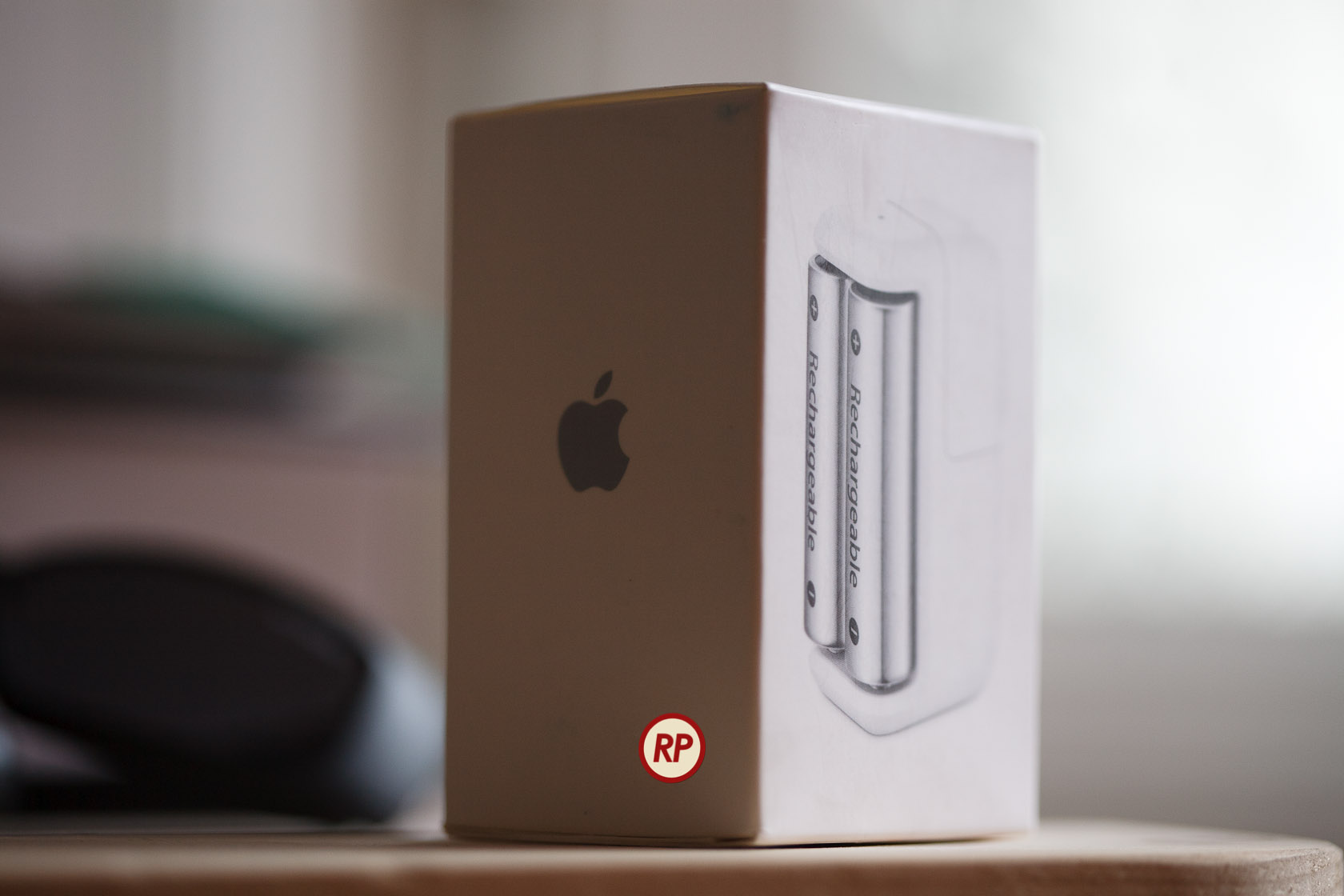
Now why can’t other companies do this? Why can’t they have smart design, instead of wasteful, stressful design? Have you taken a look at your battery charger lately? I have four other battery chargers from three different companies, and none of them are as well designed and thought out as the Apple battery charger.
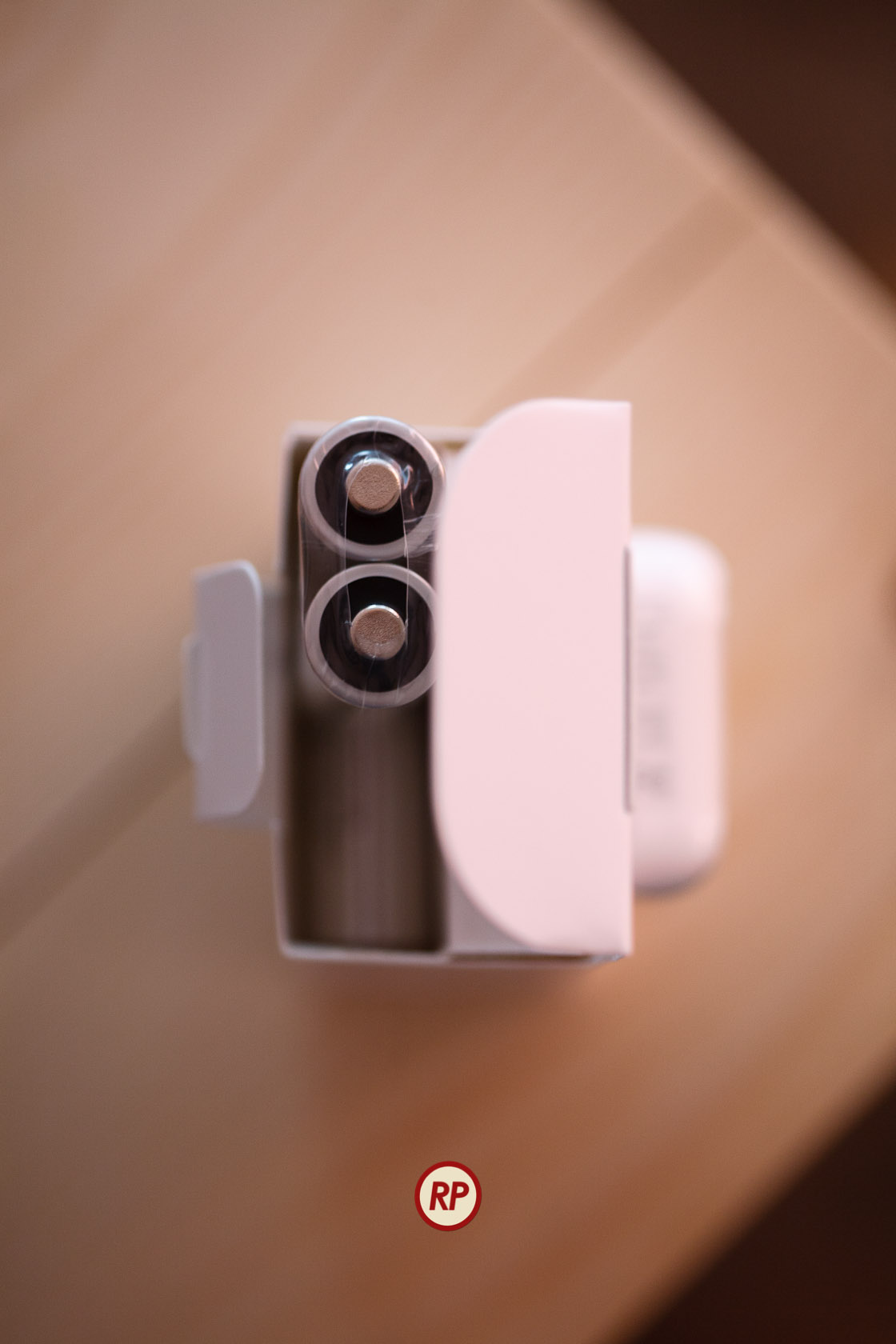
It is clear to me that a lot of thought went into the design of the charger and of its packaging, much more thought than has ever gone into the design of another battery charger on the market. Somehow, Apple was able to fit the charger and six batteries into that little box.
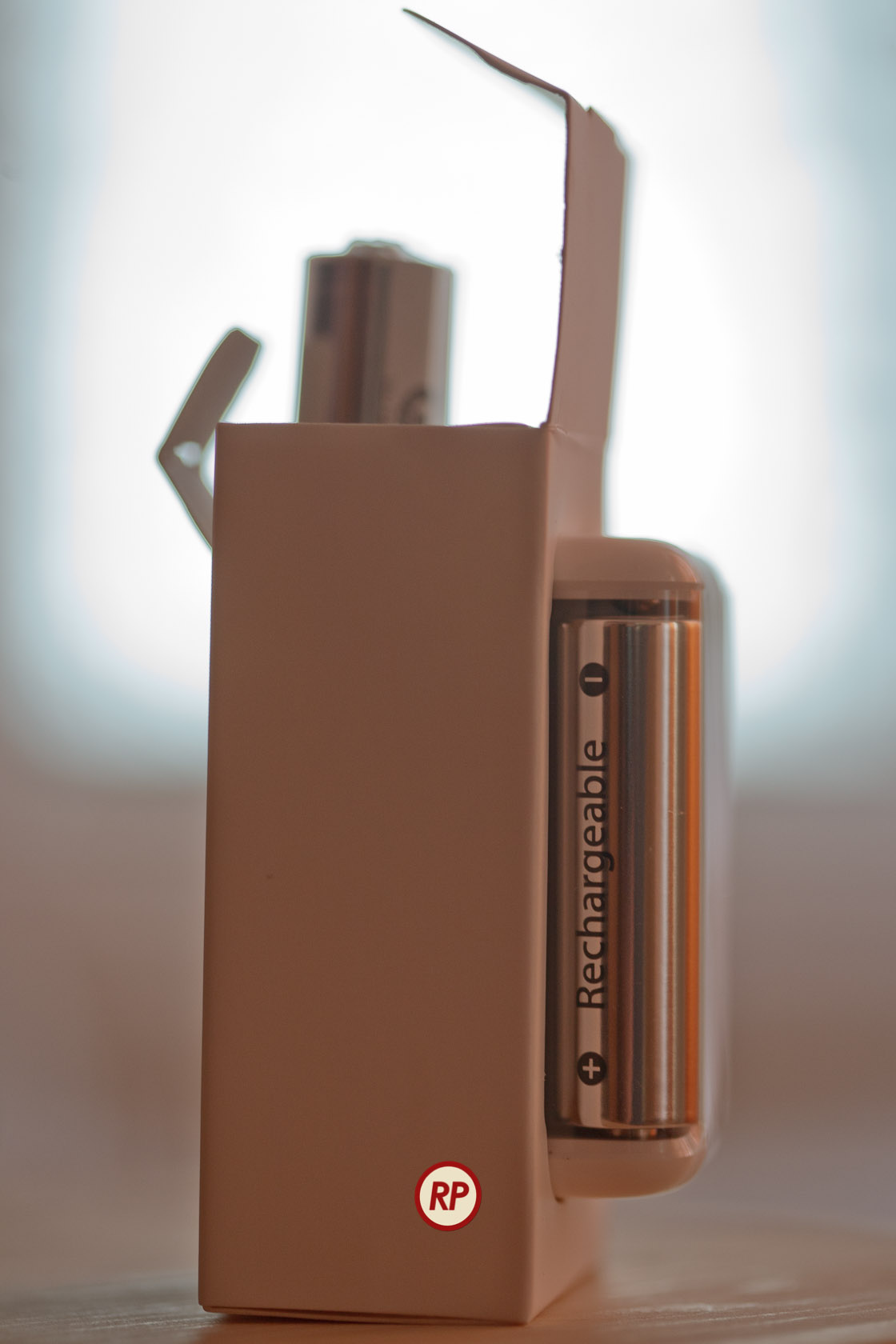
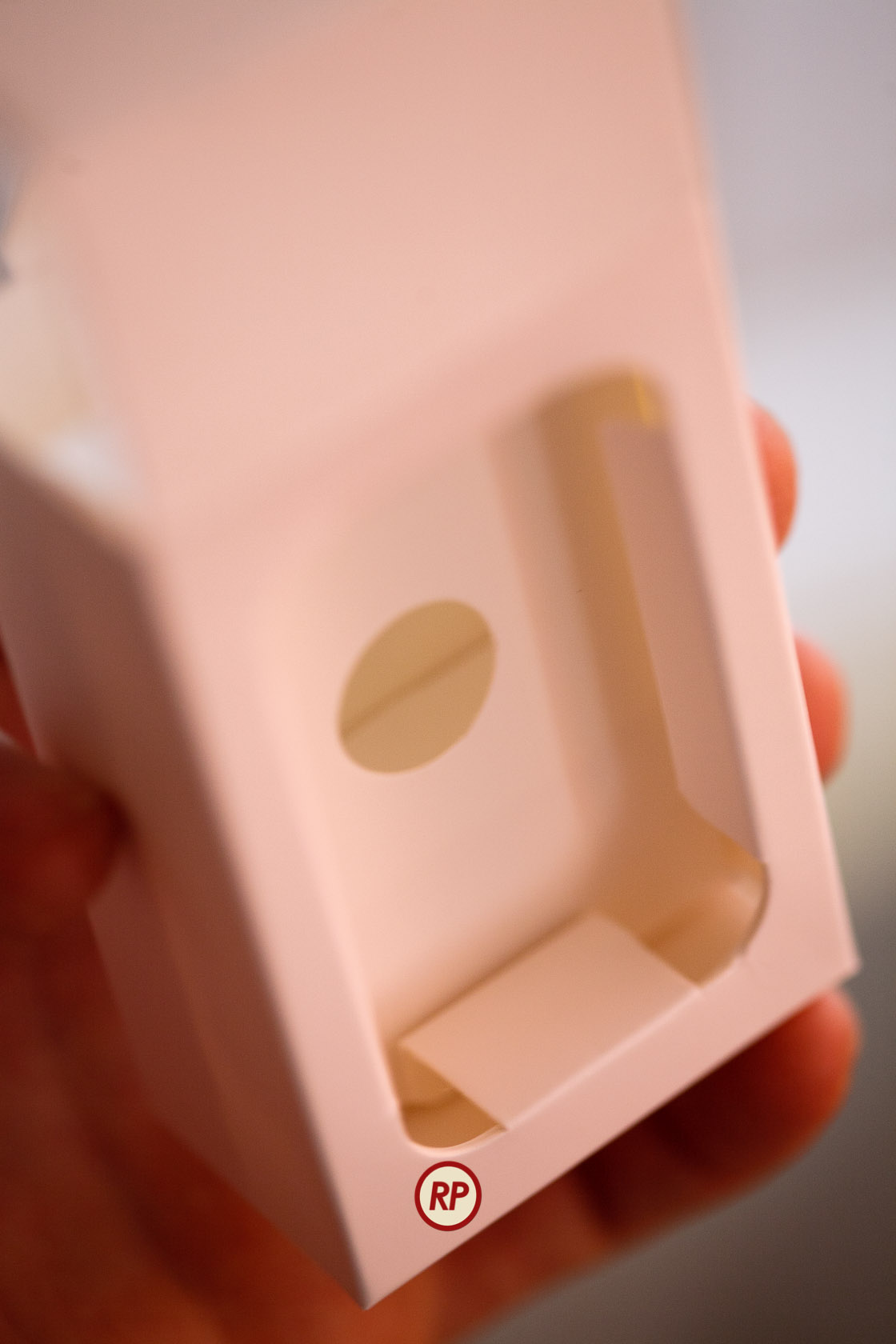
Not only that, but there’s even a bit of empty space left inside, which was thoughtfully filled with a fold of the paper package, to ensure a snug fit for the batteries. Look through the round opening in the middle wall to see the top of the paper fold.
Did I mention the Apple Battery Charger works on both 120V and 220V current? How many other battery chargers do this? I brought a few chargers with me from the States, and they’re useless to me in Romania without a converter. Similarly, I bought a charger here, and it’d be useless to me back in the States, because it only runs on 220V current.
Once again I have to ask — why can’t other companies do this? I can’t help but admit out loud that almost anything else on the market appears crude when compared to Apple. It’s fascinating how much of an anomaly Apple is when you look at it this way.
I published the fourth episode of Romania Through Their Eyes late last night. It’s an interview with an American, Chuckk Hubbard, who’s from Philadelphia.
Chuckk’s story is interesting, because he chose to come to Romania to be with his Romanian wife, Irina Hasnas. They met while in college. Irina was there on a Fulbright scholarship, and Chuckk was studying music composition. At the end of their studies, Irina had to return to Romania (it was stipulated in the contract of her scholarship), and Chuckk came with her. They’ve now been here for almost four years, and in the interview, Chuckk talks about his experiences during that time.
I need to apologize because some fragments of the video are out of focus. It was a camera malfunction which I didn’t notice until the editing stages, weeks after the shoot. Unfortunately there is no way to adjust focus in post-production, although it would certainly be a very useful feature for any piece of software.
On a more fun note, has anyone noticed a pattern in the release dates for the show’s episodes?
Episode RTTE-004-EN-HD
Released 5/5/11
I created an official Facebook page for the show, so head on over and give it a Like if you want to be kept up to date with details about RTTE.
Our kittens (and I can still call them that, because they’re only about a year old) love to cuddle up together when they sleep. They have their little bed, and that’s where you’ll find them most of the time, sleeping and purring — a big, intertwined mass of furry cuteness. It’s sort of like spaghetti in a bowl. 🙂
Some people have asked me whether they’re related after they saw the video. Bubu and Tira are brother and sister. The others are unrelated. Sasha was adopted in Sibiu, RO. Zuzu was adopted in Bucharest, RO, along with Bubu and Tira, but they’re from different parts of the city. The wonderful thing is they all get along quite well. Sure, they’ll argue a bit from time to time, but overall, they love each others’ company.
My little cat spaghetti is indeed a recipe for relaxation!
 Raoul Pop