Thoughts

My favorite vantage point for photography

I was invited by the folks at Light, who are working on some pretty interesting camera technology, to write about my favorite vantage point. I explained to them, as I’m explaining to you now, that I don’t have one. I get bored with shooting the same locations and I’m always on the lookout for new things to shoot.

Then I realized that over the past few years, I’ve been working in the exact same location, putting in lots of time and effort, being happy with the challenges offered by that very same spot and enjoying the beautiful results. But you didn’t know about those photos, because I haven’t published them on my website, and it didn’t occur to me earlier that it was a vantage point. I’m talking about my studio work for my wife’s printed books, in other words, about my food photography.

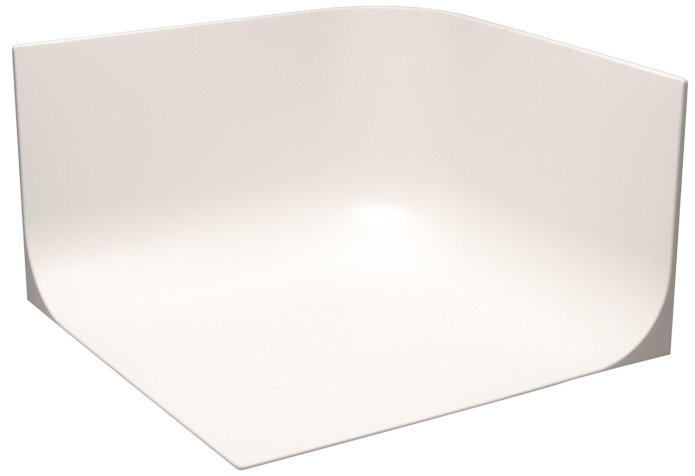
My favorite vantage point over the past few years has been the whitebox (the official name for it is a seamless tabletop background sweep cyclorama). Here’s what it looks like:
whitebox.jpg

That’s where I’ve been spending my time. Lots of my time. Here’s one example of my work:

RPOP-2015-05-1335.jpg

This is one of my wife’s raw desserts. It’s a raw vegan whipped cream, mint and strawberry cake. You can find the recipe for it in her Raw Desserts book.

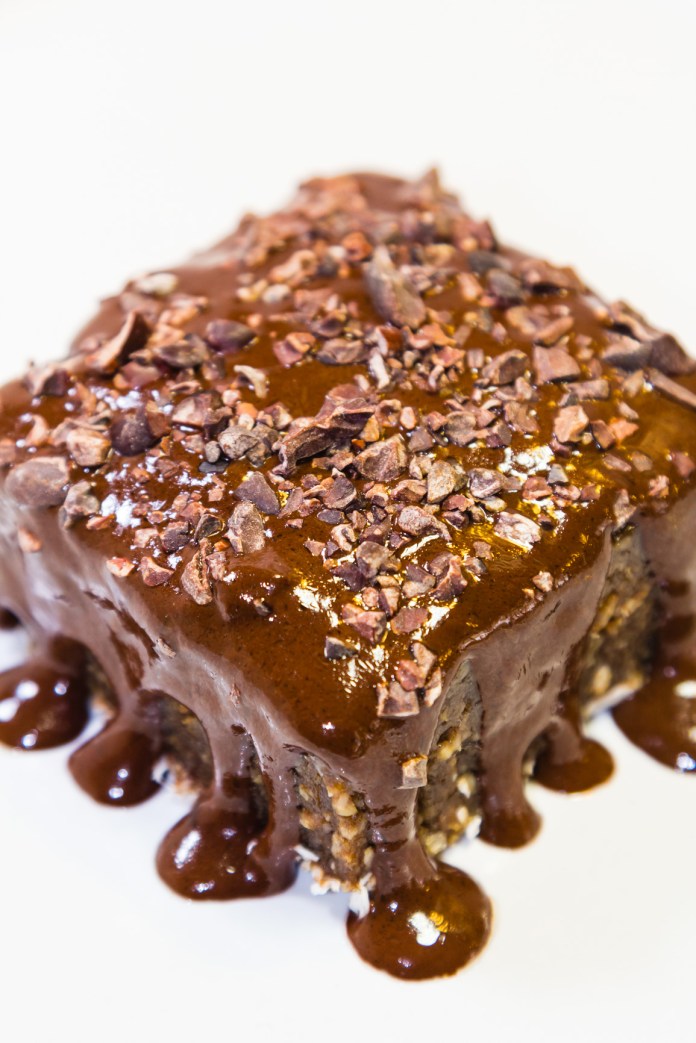
And here’s another photo from the same book. I apologize if it leaves you drooling. It’s a raw vegan brownie with a raw chocolate glaze.
RPOP-2015-05-0139.jpg

Here’s how I work. I don’t have a set position for the camera or for the speedlites. I work handheld and I vary my camera position, angle and lens until I find what I think is a good frame for the photo. Then I’ll shoot a few photos to see how the lights fall on the subject and whether I need to vary their positions as well, in order to bring out the colors and sculpt the dimensionality of the photo with lights and shadows.

I use three independent speedlites triggered by the on-camera flash, which I sometimes choose to also fire or to only have it act as a remote for the other speedlites. For this photograph, I worked with my Canon gear: one of my three Canon cameras, an EOS 60D and three Canon speedlites. I love my EF-S 17-55mm f/2.8 IS USM lens and I tend to use that a lot for my studio work. I also use ambient light from within the room itself (I turn on wall and ceiling lights) and I use a mix of warm and cold lights. I know most people say you should use the same temperature lights, but I prefer to mix them in order to get a warmer ambient light. The speedlites overwhelm the subject with their cold light, but there’s a hint of warmer light all around the photo, which I like, and this comes out when I edit the photo as well. I suppose I started doing this when I began to shoot video. People leave a lot of work for post-production, but I do like it when I capture the mood light of the video live, as I shoot it, so I fiddle less with it in post.

I’d like to say I’m the set designer as well, but for my food photography, I leave that to my wife. She’s the award-winning raw chef with seven published books and I’m the photographer. Sometimes we’re inspired and we love the results, and sometimes we’re not happy with what we get. So we re-do the photo shoot at another time. There have also been instances where we’ve re-shot certain recipes for later editions of her books, because we weren’t happy with the photographs and as our skills improved, we knew we could do better.

I wish I could be more helpful than this but for me, every studio photo is a new challenge and I vary my angles and lighting in order to get what I think are the best photos of my subjects. My wife and I then cull through them and pick the ones that’ll go into her books. I then edit each one carefully, add it to the collection designated for that book in my Lightroom catalog and carry on doing this until we’re ready to turn things over to the publishing house.

Standard

In this episode, Ligia makes a quick and delicious dessert from raw vegan whipped cream and blackberries, sweetened with Green Sugar, an all-natural powdered sweetener made from stevia, with none of the stevia after-taste.

Places

An evening walk through Sibiu’s historical center

Here are a few photos from a recent visit to Sibiu, where we walked through the two main piazzas in its historical center.

Standard

Last year, I experienced a bout of debilitating back pain, whose cause is still unclear to me. I talked about it in this video and some of you asked me to make a follow-up video where I detail the treatments I underwent to get over it. This is that video.

I’ll let you watch the video to get the full details, but here are the concrete things that helped:

  • Regular deep tissue massages from a knowledgeable masseur.
  • Stretching routines, particularly yoga routines for the hips and lower back (here’s a particularly good routine for me).
  • Various pain relief medications, but they only mask the symptoms and cause other problems after long-term use.
  • A posturology exam which can pinpoint various anatomical imbalances in gait, posture and muscular development that can cause back pain; custom-made shoe inserts are usually recommended as a result of the exam, and they need to be worn daily for over three months in order to correct the problems.
  • Ozone injections to the lower back (subcutaneous and deep tissue) in order to help the vertebrae and discs heal. Look for a good sports doctor in your area, they’re the ones who are usually equipped to do these treatments.
  • Regular use of a special massage bed made with jade stones, that uses infrared heat and mechanical movement of the jade stones along the paraspinal muscles in order to relax and elongate the back, helping relieve the strain on the discs.
  • Regular use of an inversion table that also elongates the back and helps ease or get rid of pain flare-ups, but you have to hang on it for 5-10 minutes at a time in order to make a difference.
  • Supplements such as glucosamine, chondroitin and hyaluronic acid to help heal the discs, plus multivitamins and superfoods to feed the body and make sure it has all of the nutrients it needs to function properly. I made a video recipe of a superfood smoothie that I use after workouts.
  • The most important thing I did, the thing that got me back on my feet, was a visit to a traditional Romanian healer, who used a combination of muscle and joint stretches, plus some other courses of treatment, to make my life livable again and to help me become fully functional once more. His name is Costică Bonta, and he has an office in Baia Mare, Romania. His phone number is posted in the video. Not sure if you can visit him, but I also encourage you to look for traditional healers in your country or local area, perhaps they’ll be able to help just as well.

In my case, I don’t believe the cause of my back pain was physical. There was no one particular injury I can point to and say, yes, that’s when I screwed up my back and started to feel the pain. Rather, in my case, the progression of the pain was incremental, from annoying to debilitating within the course of a few months. So I believe the trigger was something else, perhaps stress, perhaps overwork, perhaps anger or resentment, something that accumulated inside me and then manifested psychosomatically. It’s true, I have several herniated discs in my lumbar and sacral region that were confirmed by an MRI, but so do many, many other people who are experiencing no pain at all and are fully functional. So a herniated disc does not necessarily lead to torturous pain and an inability to function on a daily basis. There is more to this than meets the eye, and I’m still looking into it.

A few days ago, I had my second workout in what amounts to almost a year off due to my back pain. I recorded a short video after the workout, which you can see below. It feels great to be back in the gym, and even though I still have some recurring and minor back pain, I’m undergoing therapy to address it and cannot hold off on going to the gym any longer. Exercise is vital for me.